
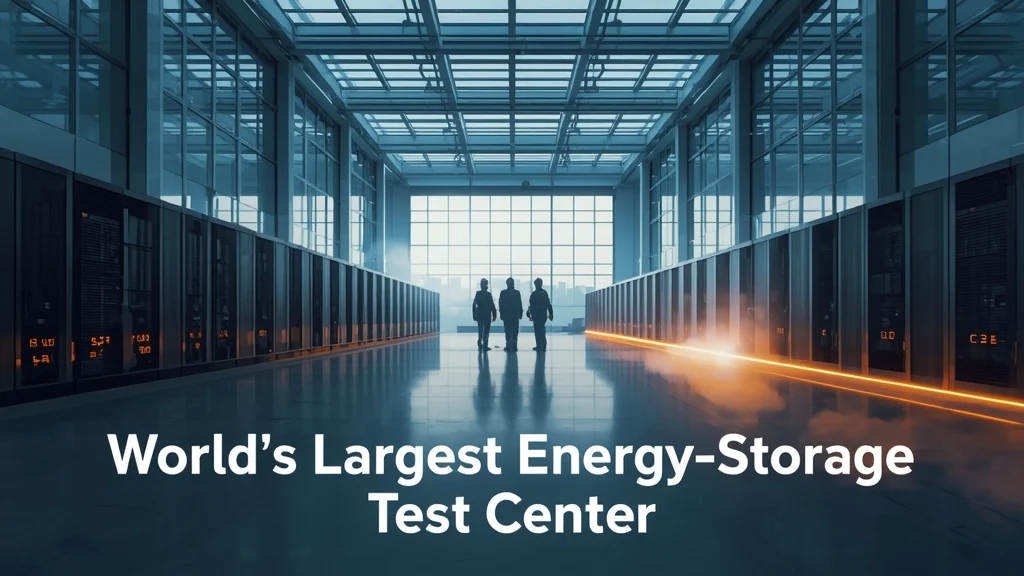
CATL launches a $443 million, 10‑hectare energy storage testing hub in Xiamen, the world’s largest facility aimed at improving battery safety and grid reliability. Discover more today.
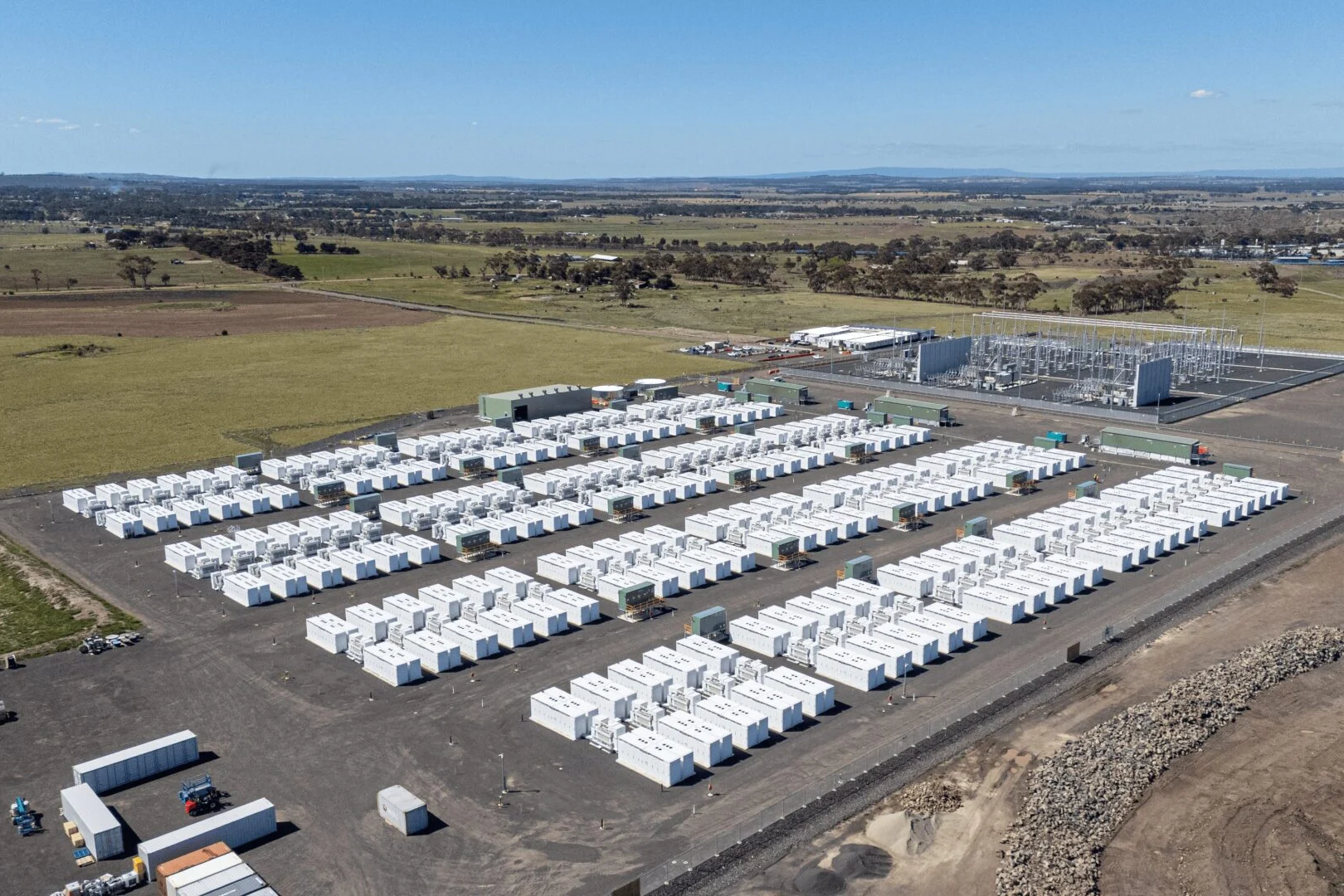
China’s battery giant CATL has officially opened a massive energy‑storage testing complex in Xiamen, Fujian Province. The $443 million, 10‑hectare site is billed as the largest of its kind on the planet, underscoring the rapid growth of grid‑scale battery applications worldwide.
Why a Mega‑Test Center Matters
As renewable power—solar and wind—continues to replace fossil fuels, utilities need reliable ways to store excess electricity. Large‑scale battery systems provide that buffer, smoothing out supply fluctuations and supporting critical infrastructure such as data centers that power artificial‑intelligence workloads.
State‑of‑the‑Art Testing Capabilities
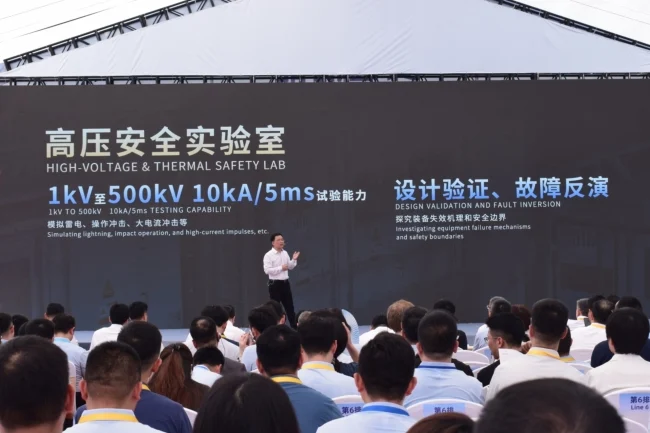
The facility, built by CATL’s Energy Storage Validation Laboratory (ESVL), replicates extreme grid conditions that go far beyond normal operation. Key features include:
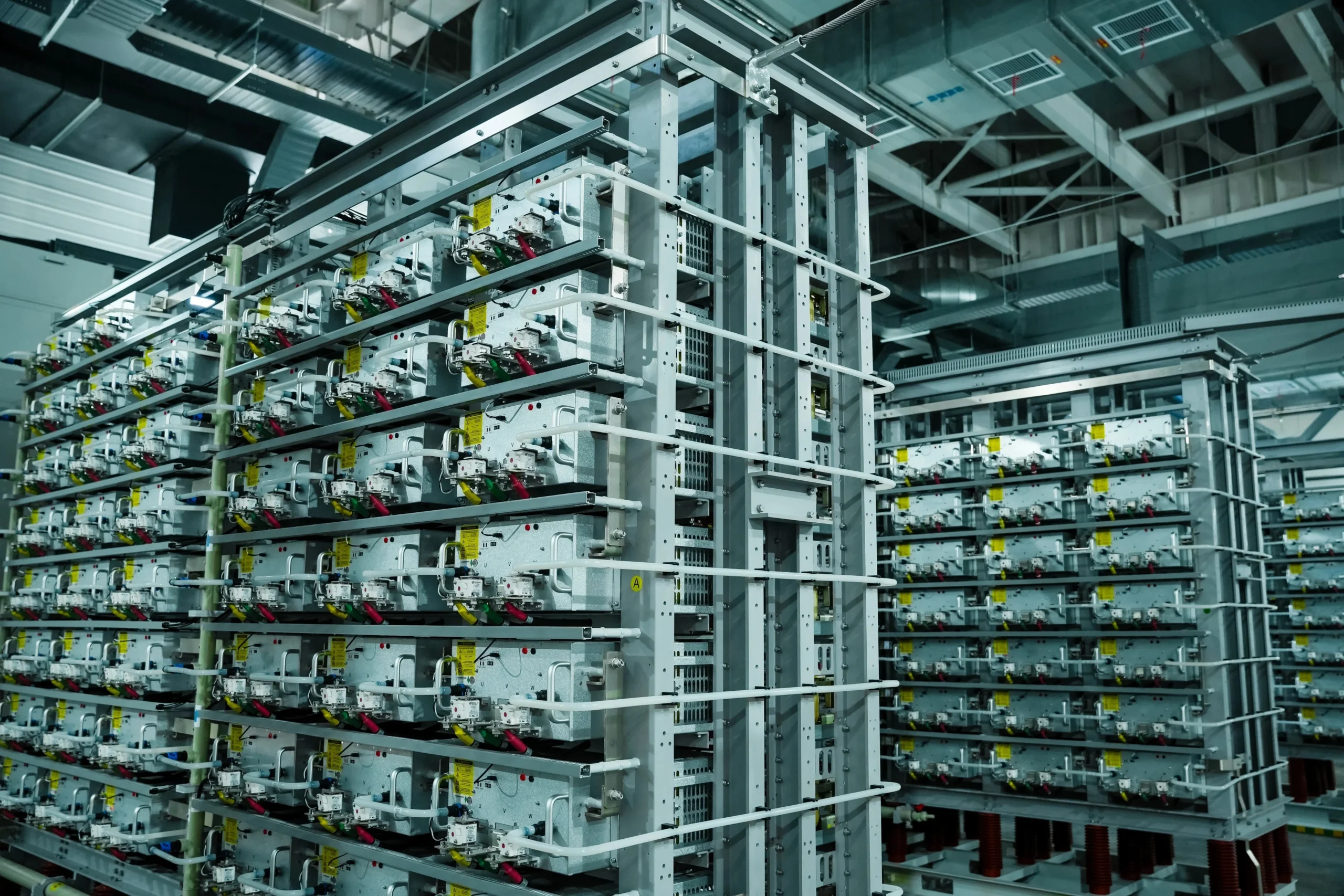
- High‑voltage fault simulations, from lightning strikes to short‑circuit events.
- Altitude chambers that mimic pressures found at 7,200 m above sea level.
- Temperature ranges from –50 °C to 100 °C and humidity swings between 20 % and 99 %.
- Real‑time grid emulation to assess how storage units respond to dynamic load changes.
These rigorous tests help determine battery lifespan, performance degradation, and safety margins under the toughest environmental stresses.
Global Market Context
According to Shanghai Metals Market, global battery storage shipments reached 100 GWh in the first quarter of 2026—a 97 % year‑on‑year surge. Chinese manufacturers now control roughly 80 % of the worldwide market, positioning the country as a decisive player in the energy transition.
Challenges and Quality Gaps
Despite rapid expansion, CATL’s chief scientist Wu Kai warns that about 20 % of existing storage installations fall short of performance expectations. The new test center aims to close that gap by offering third‑party verification and standardized certification for both domestic and international battery producers.
Open Door for Industry Collaboration
ESVL will operate as an independent testing body, accepting projects from other manufacturers seeking unbiased data. This transparency is intended to raise confidence across the entire energy‑storage ecosystem.
Beyond EVs: Diversifying Battery Production
With electric‑vehicle demand plateauing in some markets, battery makers are repurposing excess capacity for stationary storage. Tesla pioneered this shift with the launch of Tesla Energy in 2015, and Ford recently introduced Ford Energy, prompting a 28 % jump in its share price after the announcement.
What’s Next?
The Xiamen test center not only strengthens CATL’s R&D pipeline but also sets a new benchmark for safety and reliability in the global battery‑storage sector. As more renewable projects come online, the need for robust, certified storage solutions will only intensify.
Stay tuned for updates on how this facility influences industry standards and accelerates the clean‑energy transition.