
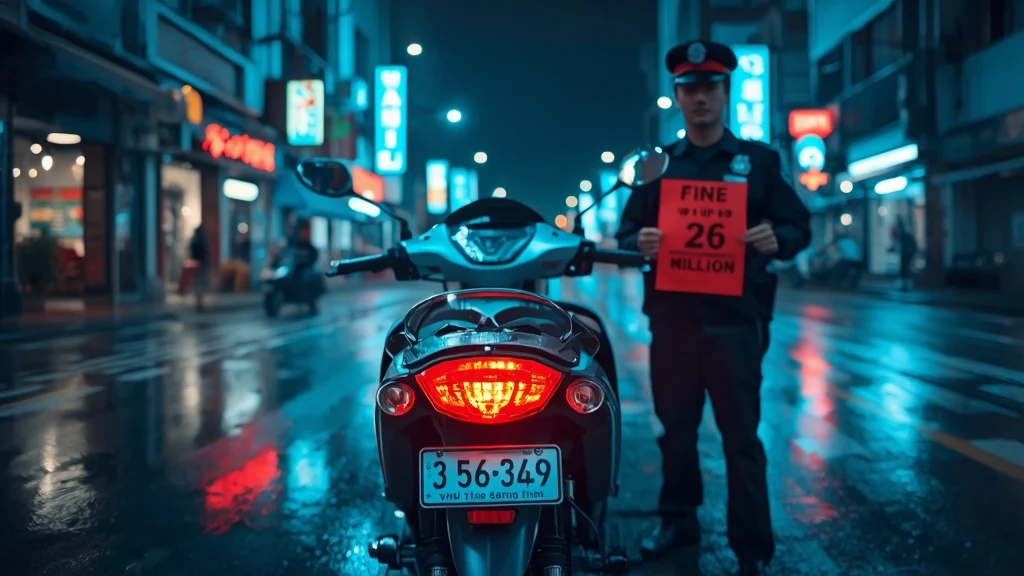
Starting Aug 15, Vietnam will fine drivers VND 20‑26M for tampering with AI traffic cameras. Find out the new rules and keep your license safe – read now.
Background: The Updated Traffic Safety Decree
On 15 August 2024, Vietnam’s government will enforce Decree 238/2026, which amends Decree 168/2024 on administrative penalties for road‑traffic violations. The amendment introduces strict sanctions for anyone who deliberately interferes with the country’s growing network of AI‑powered traffic‑camera systems.
What the law defines as “tampering”
The decree adds a new clause that penalises the ‘use of materials, devices or accessories that alter the recognisability of a vehicle’s licence‑plate information by traffic‑monitoring equipment (including radar and optical‑recognition tools).’ Although the text does not spell out exact examples, the wording clearly targets products that hide or distort plate numbers.
Penalty scale by vehicle type
- Cars and motor‑bikes (driver’s licence): a fine of VND 20‑26 million and a deduction of six licence points.
- Motor‑bike riders (separate licence): a fine of VND 3‑4 million and the same six‑point deduction.
Common “plate‑masking” products on the market
Since the law’s wording is vague, a variety of anti‑camera accessories have appeared, promising to make licence plates invisible to enforcement cameras. Typical items include:
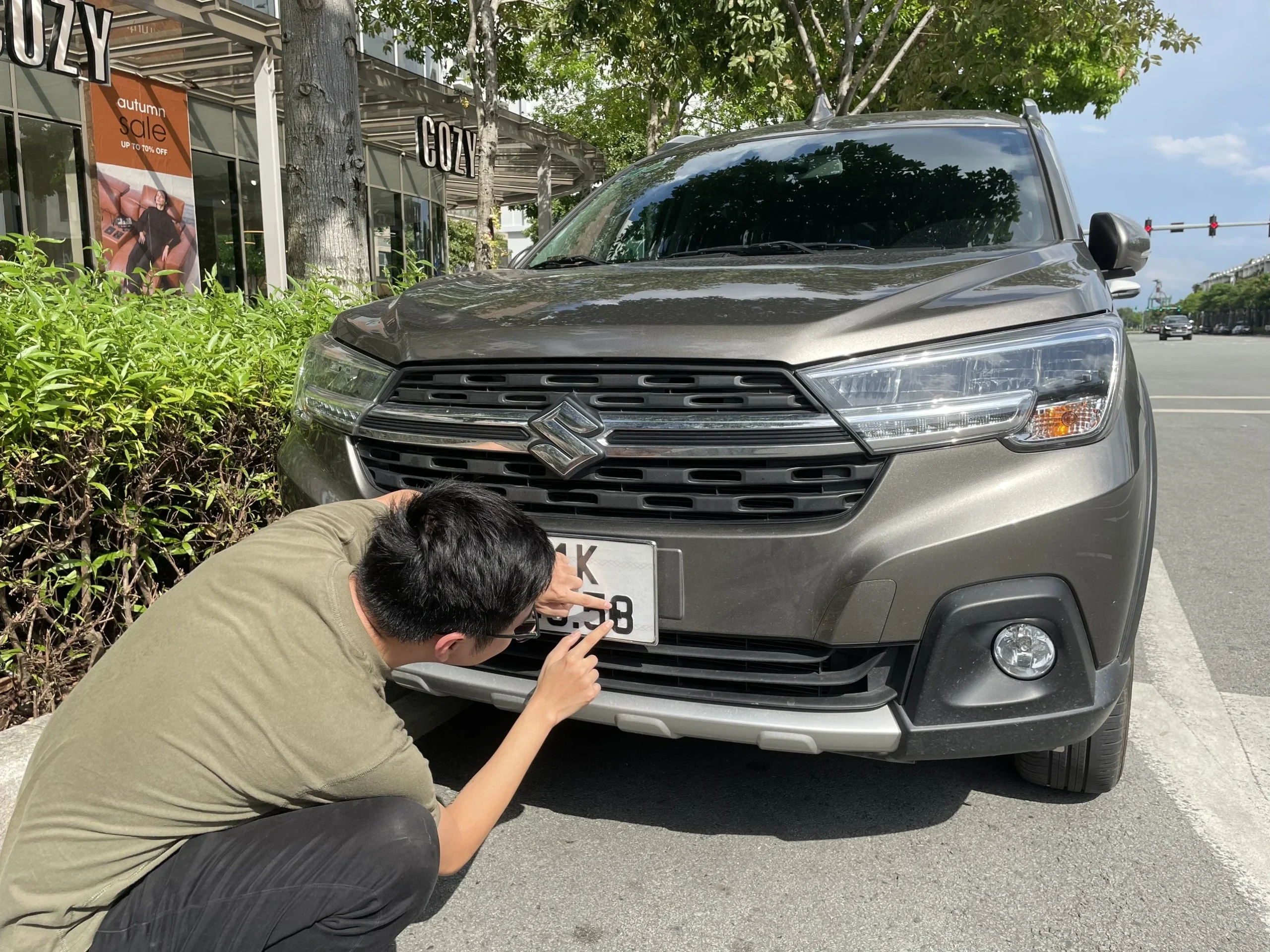
- Reflective or photo‑reactive paints that glare when a camera’s flash or infrared (IR) light hits them, washing out the plate image.
- Specialised decals that change colour or reflect light at certain angles.
- Automatic plate‑flipping or rotating mechanisms that hide the plate when a vehicle approaches a camera.
- IR‑emitting LED strips placed around the plate’s border, which are invisible to the human eye but ‘blind’ the camera sensor.
How the technology works – and why it fails
AI‑enabled traffic cameras use a combination of high‑resolution optics and infrared illumination to read licence plates even at night. When a reflective paint or high‑power IR LED surrounds the plate, the camera sensor receives either a saturated glare or an overload of infrared light, resulting in a blurred or completely unreadable image. In practice, most of these products only work under very specific lighting conditions and can be easily spotted by law‑enforcement officers.
What drivers should do
To stay on the right side of the law, motorists should:
- Avoid installing any material that claims to ‘hide’ or ‘mask’ a licence plate.
- Ensure the plate is clean, unobstructed, and fully visible at all times.
- Keep up‑to‑date with Vietnamese traffic‑safety regulations, especially if you own a fleet of commercial vehicles.
- If you own a product that could be interpreted as a plate‑masking device, remove it before the decree takes effect on 15 August.
Potential impact on road safety
Authorities expect the new penalties to curb the growing trend of ‘camera‑evasion’ gadgets, which have been blamed for undermining the effectiveness of automated speed‑ and red‑light enforcement. By attaching a hefty financial cost and licence‑point loss, the government hopes to reinforce compliance and improve overall road safety.
For the latest updates on traffic‑law compliance and practical tips for Vietnamese drivers, stay tuned to official announcements and reputable news sources.