
The AI boom fuels a fierce automotive chip shortage, squeezing car makers’ margins and delaying high‑tech features. Read more now.
The AI Boom Is Redrawing the Semiconductor Landscape
The explosion of artificial intelligence is reshaping the global chip market. Data‑center AI workloads demand massive amounts of dynamic random‑access memory (DRAM) to run complex models, pushing memory manufacturers to prioritize AI customers over traditional automotive buyers.
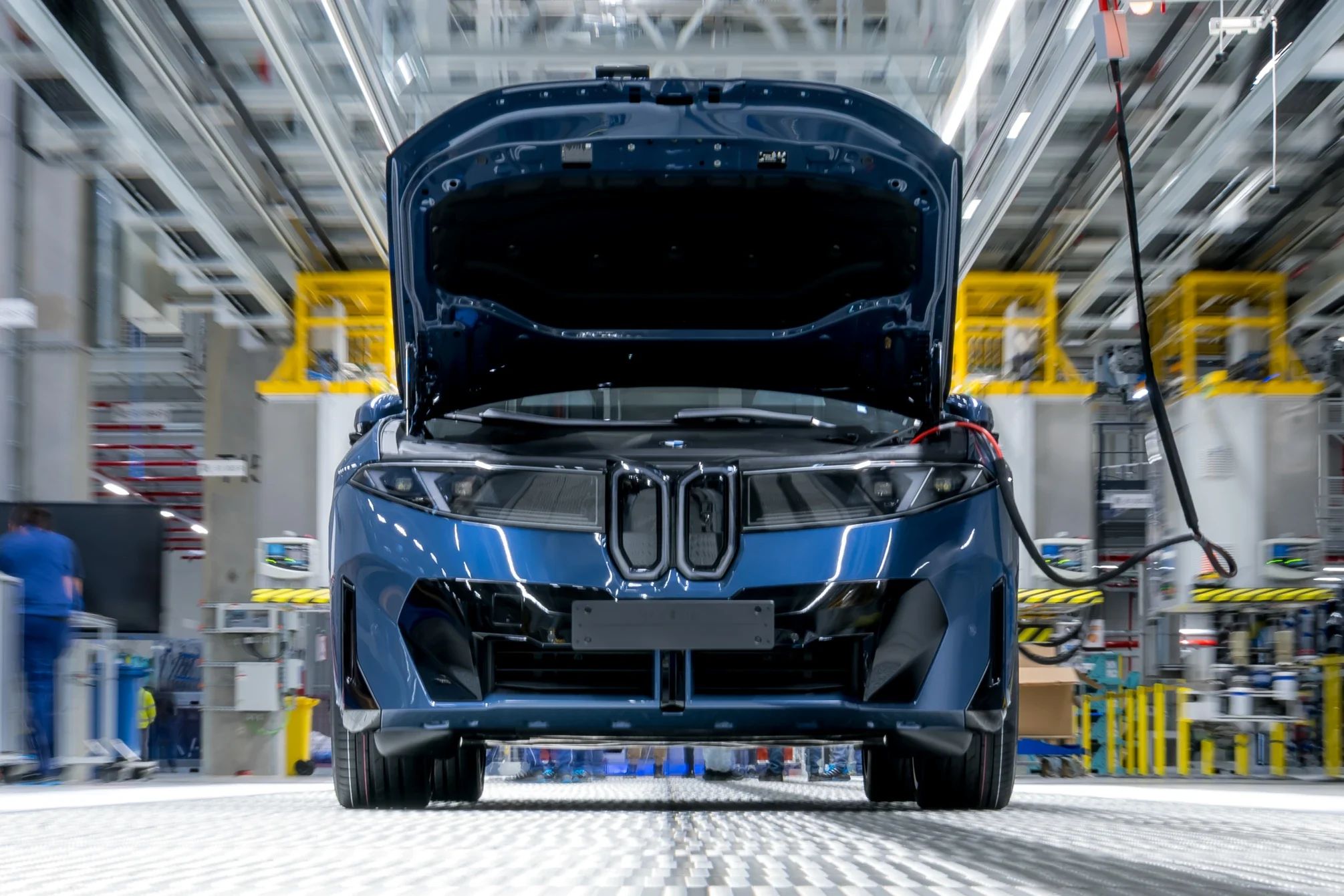
Why DRAM Prices Have Skyrocketed
DRAM prices have surged by roughly 450% in the last year. The sudden surge is driven by the race to equip AI servers with the fastest, highest‑capacity memory, leaving car makers scrambling for a dwindling supply of the chips they need for infotainment, ADAS and other software‑defined vehicle functions.
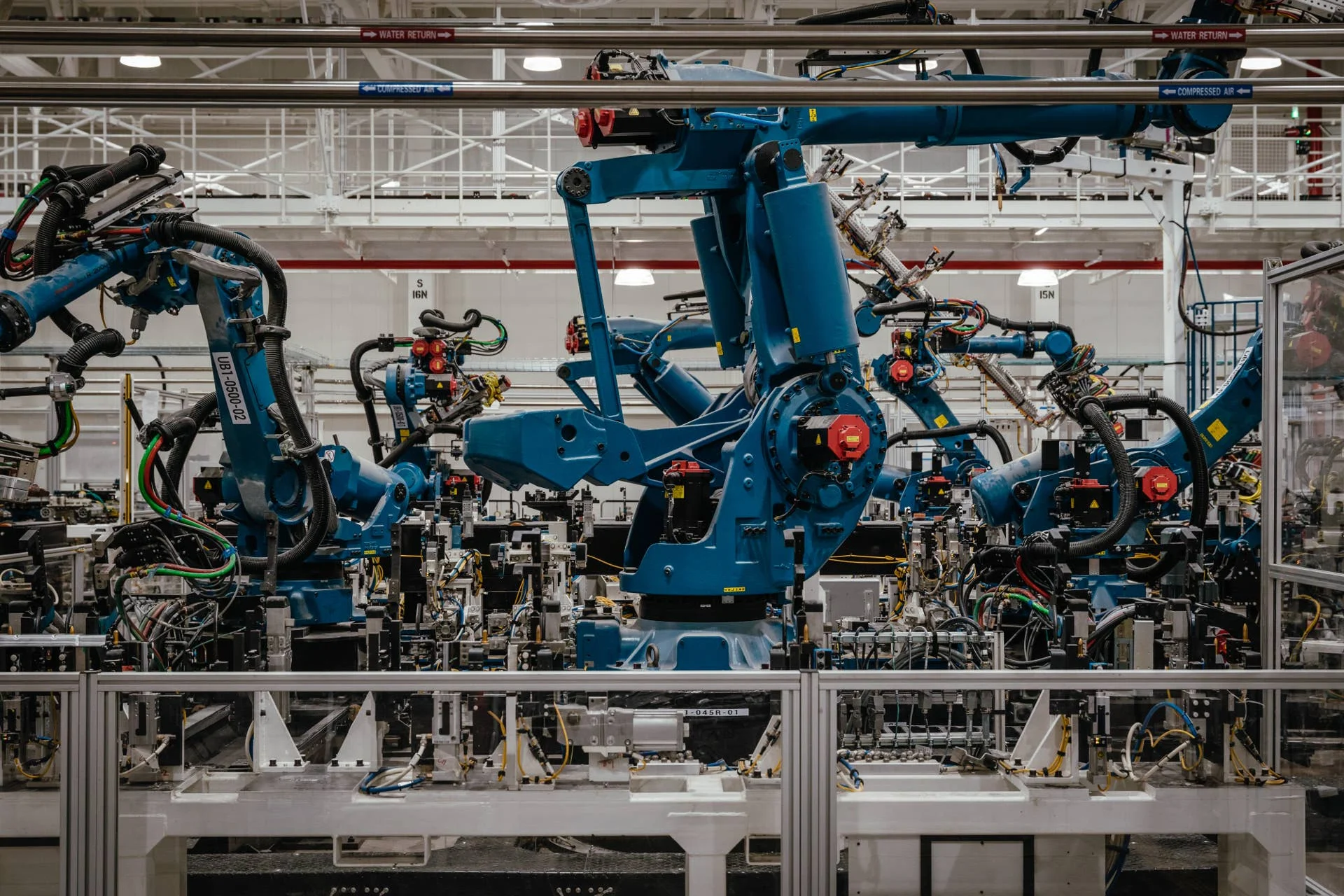
Automakers Feel the Pinch
- General Motors added a $500 million inflation adjustment to its material costs, largely tied to soaring memory prices.
- Ford is absorbing nearly $1 billion in extra expenses caused by the DRAM shortage.
- Honda reported a $295 million hit to its earnings, directly linked to semiconductor scarcity.
Impact on New‑Car Features
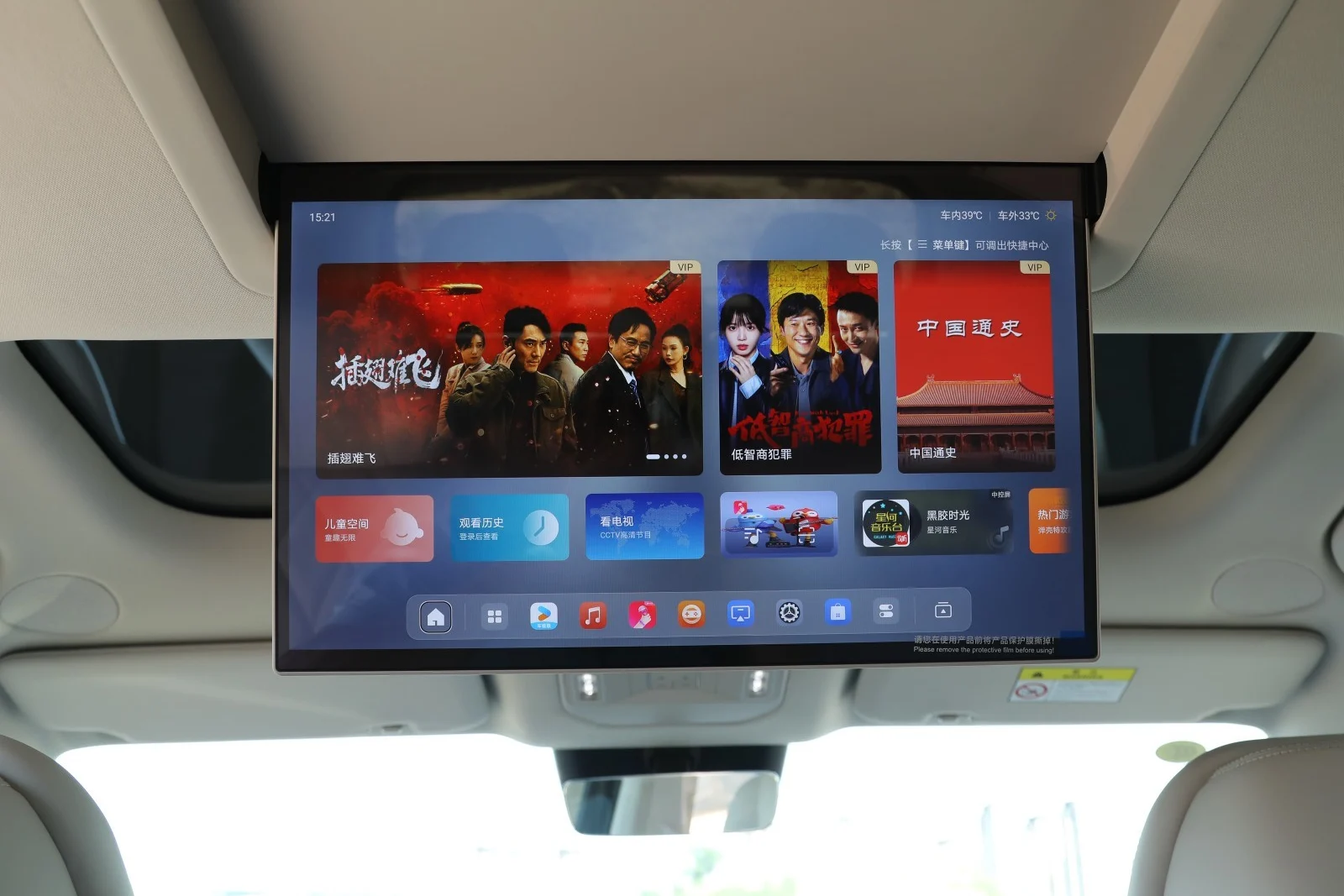
Because memory is now a premium commodity, many manufacturers plan to limit cutting‑edge technology to high‑end trims. Advanced driver‑assist systems, AI‑powered infotainment suites and over‑the‑air connectivity may become exclusive to flagship models, leaving mid‑range buyers with trimmed‑down options.
Supply Chain Power Shift
Three memory giants—Samsung Electronics, SK Hynix and Micron Technology—control close to 90% of the automotive DRAM market. To secure a reliable flow, car makers are signing long‑term, high‑value contracts, which in turn lock in higher production costs for years to come.

What This Means for Buyers
Consumers should expect three key outcomes: higher vehicle prices, longer delivery windows and fewer high‑tech features on base models. The chip battle adds another layer of uncertainty to an industry already juggling electrification, software development and global supply‑chain optimisation.

Looking Ahead
As the semiconductor sector continues to tilt toward AI‑centric demand, automakers must navigate a financial playing field dominated by tech behemoths. The result may be a new normal where premium pricing and delayed rollouts become part of the car‑buying experience.