

Automakers warn that California’s new anti‑tracking law could halt sales of new and used vehicles. Find out what the deadline means for the market – read more now.
Leading automobile manufacturers—including General Motors, Toyota, Volkswagen, Hyundai and many others—have warned that the state of California could see a temporary shutdown of both new‑car and used‑car sales if the state does not postpone the enforcement date for its new anti‑tracking regulations.

What the law requires
The 2024 California law aims to protect victims of domestic violence by restricting remote access to a vehicle. Within two days of receiving a court‑issued restraining order or a similar document, manufacturers must:
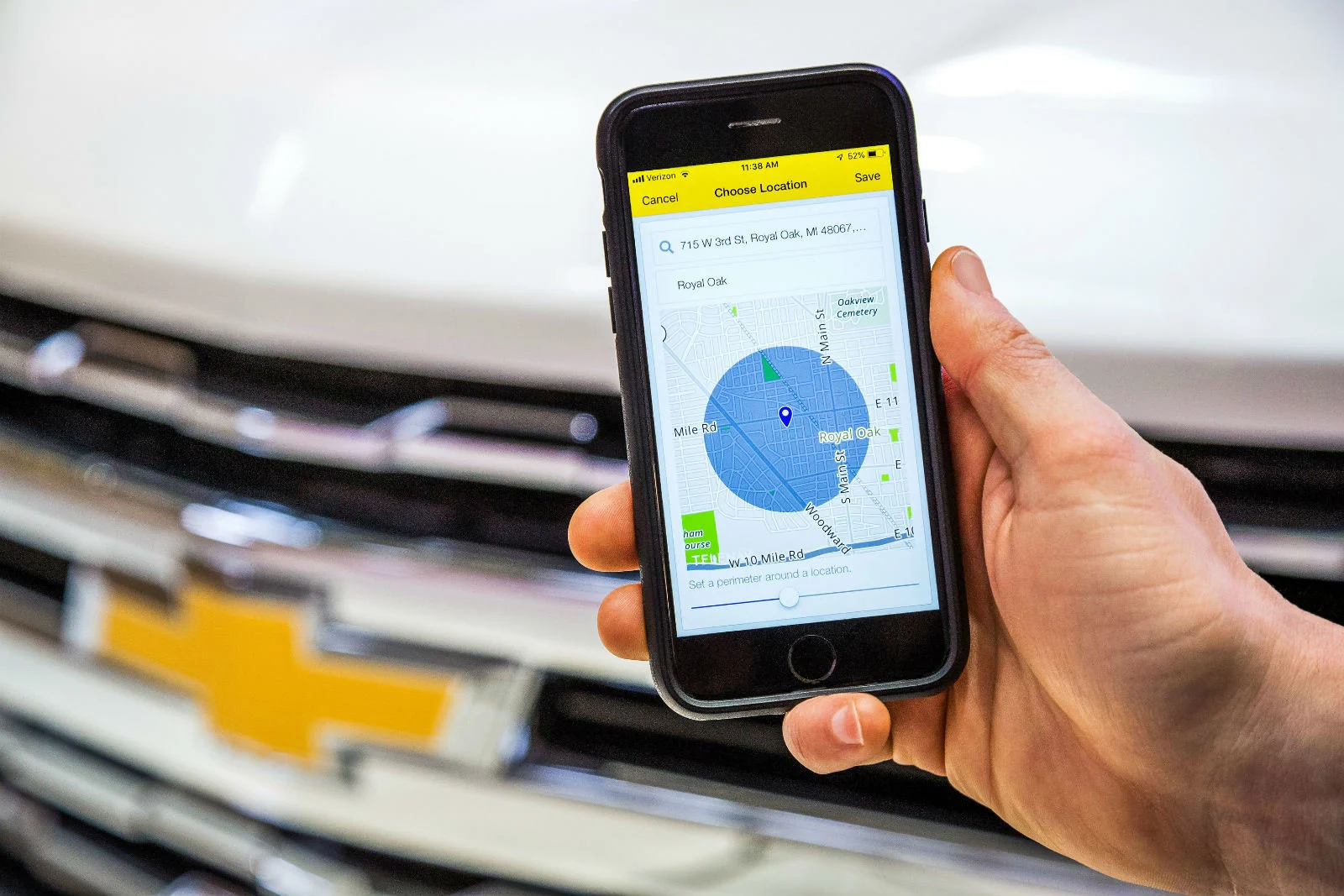
- Provide a clear process for drivers to submit the order and have the vehicle’s remote‑access features disabled.
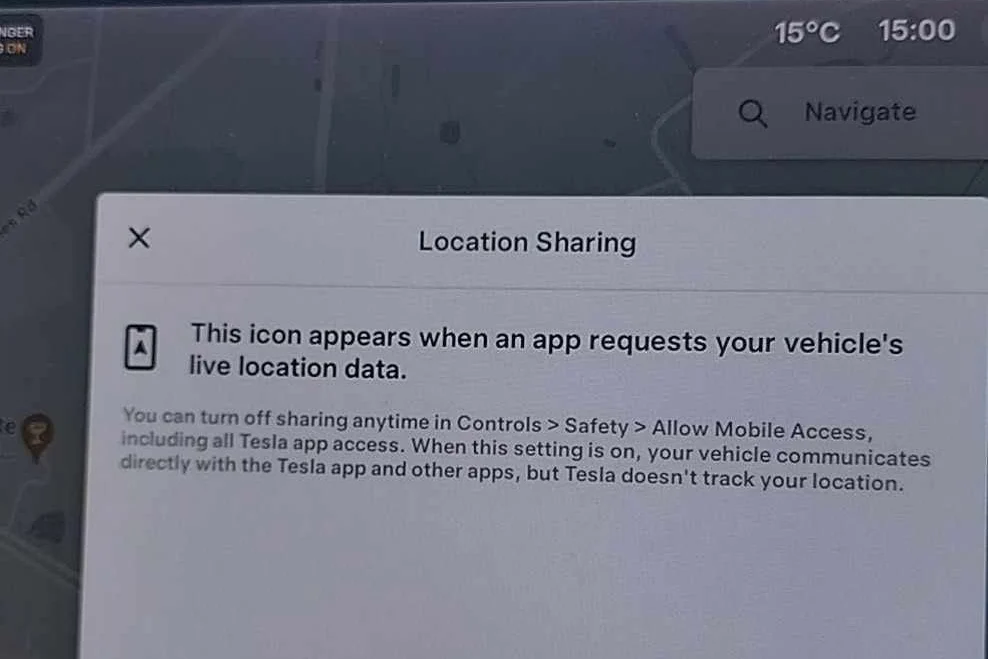
- Allow owners to turn off location‑tracking directly from the vehicle’s interior controls.
These measures are intended to prevent a perpetrator from using connected‑car technology to monitor or control a victim’s vehicle.
Why manufacturers are pushing back
While automakers have already set up online portals for users to request the termination of third‑party access, several technical requirements—such as built‑in hardware changes across multiple models and model years—cannot be met by the July 1 deadline.
The Alliance for Automotive Innovation, the industry group representing GM, Toyota, Volkswagen, Hyundai and others, says the current timeline poses a “significant risk” to sales in the state, which accounts for roughly 10 % of U.S. vehicle sales.
Potential impact on the market
If the deadline is not extended, manufacturers could be forced to suspend sales of both new and pre‑owned vehicles in California. Such a pause would ripple through the supply chain, affect dealer inventories and could shave billions of dollars off annual automotive revenues.
Legislative response
California lawmakers are considering a bill that would grant manufacturers additional time to develop, test and integrate the required technology across a wide range of brands, models and vehicle generations. The Alliance is urging the governor to sign the bill before next week to avoid a sales disruption.
Governor Gavin Newsom’s office declined to comment on the ongoing negotiations.
Controversy and real‑world cases
The law stems from concerns that connected‑car features can be weaponised in domestic‑violence situations. Recent investigative reports by Reuters and The New York Times highlighted cases where victims alleged that their spouses used vehicle telematics to stalk them.
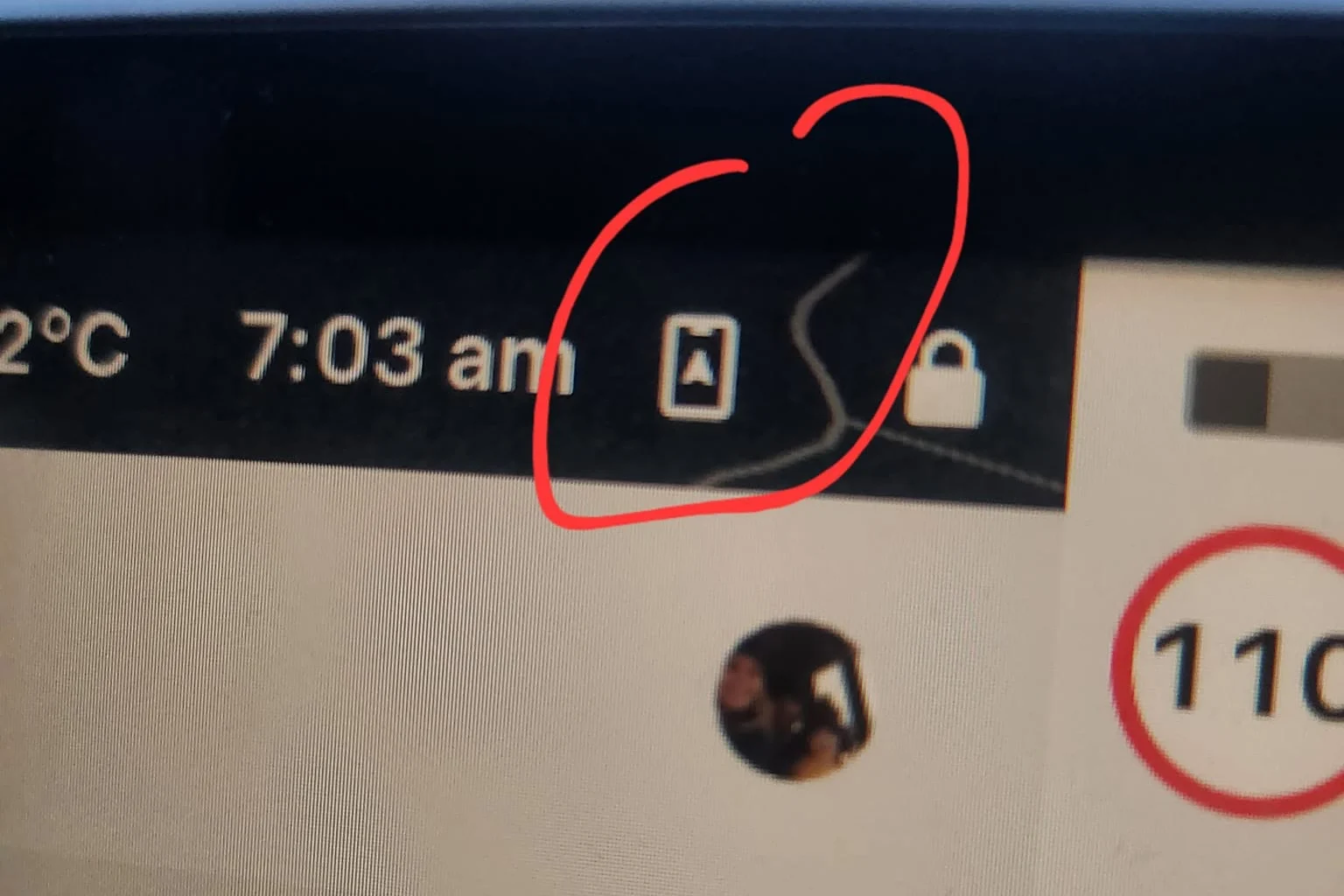
One notable lawsuit involved a former Tesla owner who claimed the company failed to act after she repeatedly reported that her husband was using the car’s remote functions to harass her, despite a restraining order. The case was ultimately dismissed, but it underscored the urgency of clear, enforceable safeguards.
What’s next?
Automakers continue to lobby for a realistic implementation schedule, while California regulators balance victim protection with the practicalities of rolling out complex software and hardware updates. The outcome will shape not only the Golden State’s auto market but also set a precedent for vehicle‑privacy legislation nationwide.
Stay tuned for updates on the legislation and its potential effects on car buyers and manufacturers alike.