
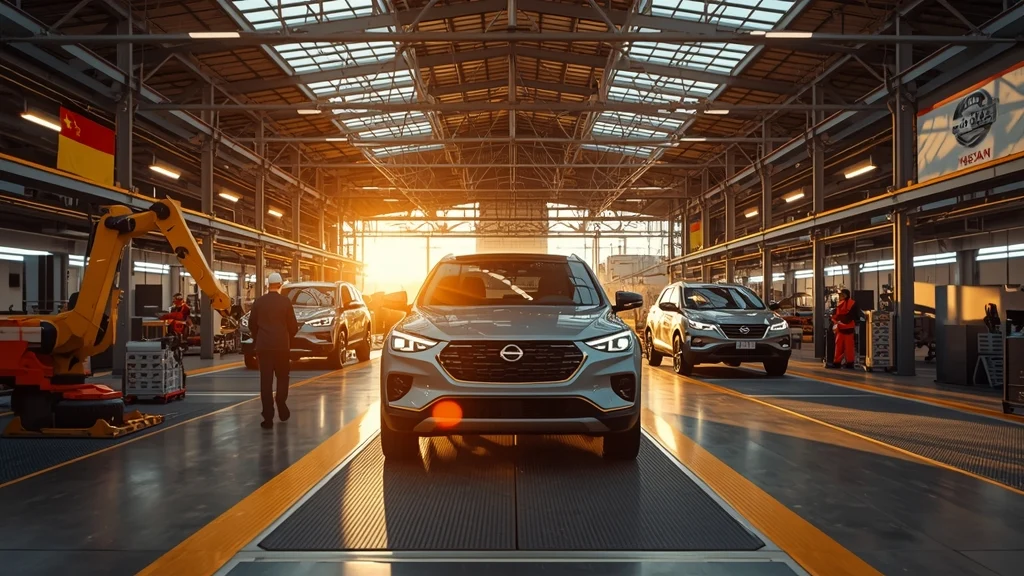
Chinese automaker Chery has taken over Nissan’s former Rosslyn plant in South Africa, investing millions to restart production by 2027. Learn more now!
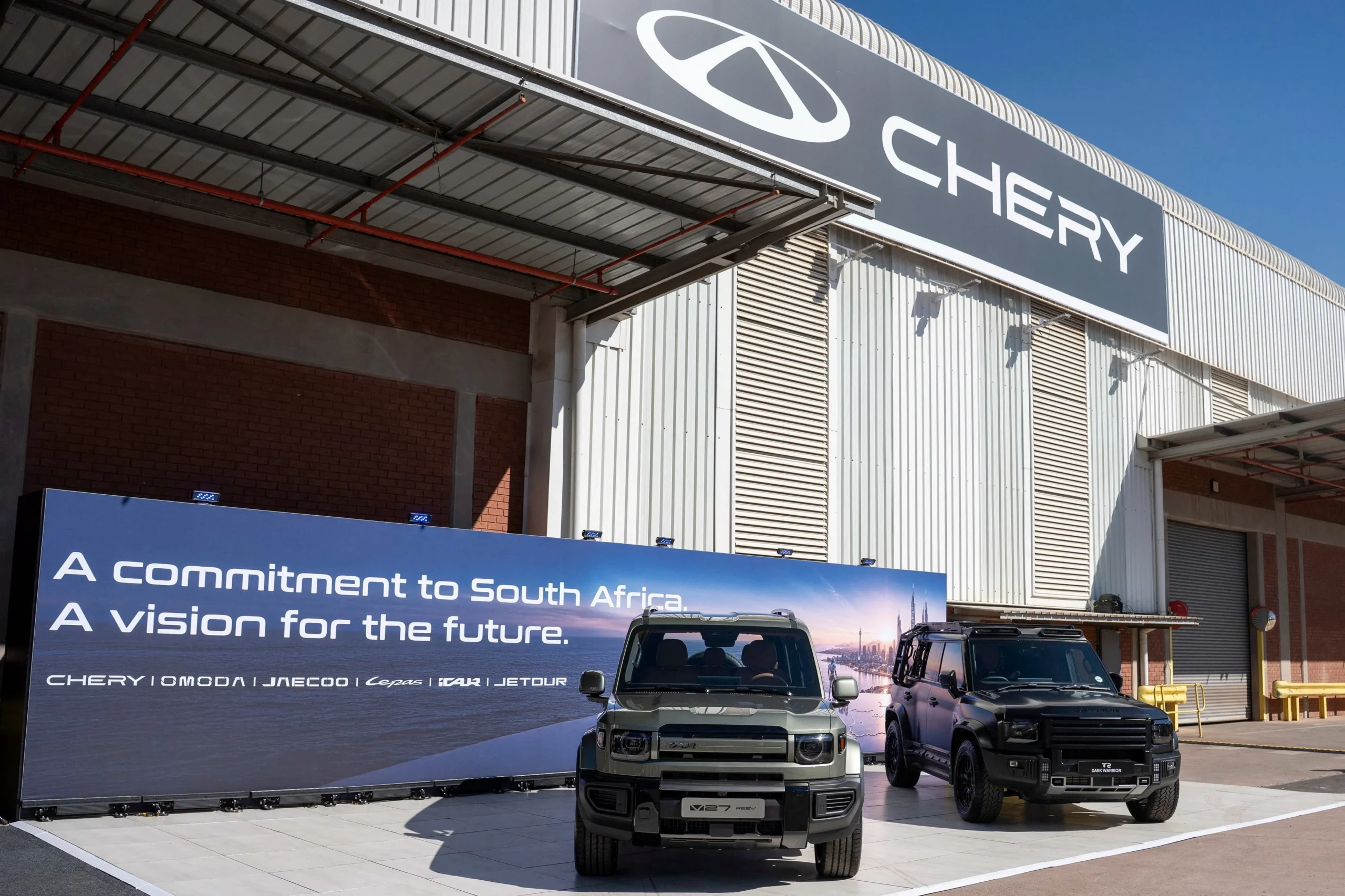
Chinese automaker Chery announced this week that it has officially taken control of Nissan’s former Rosslyn manufacturing facility in South Africa. The move marks a major step in the company’s strategy to turn the country into a hub for production, export and research & development across the African continent.
Why South Africa?
South Africa offers a well‑established automotive ecosystem, skilled labour and access to regional markets. Chery plans to invest several million US dollars to upgrade the plant’s assembly lines, install new robotics and modernise the utility infrastructure before the first vehicles roll off the line in mid‑2027.
Investment and Job Creation
The investment will not only modernise the factory but also preserve the 692 jobs that were already on the payroll. Chery expects the project to generate close to 3,000 direct and indirect positions across manufacturing, the supply chain and related service sectors.
Strategic Vision
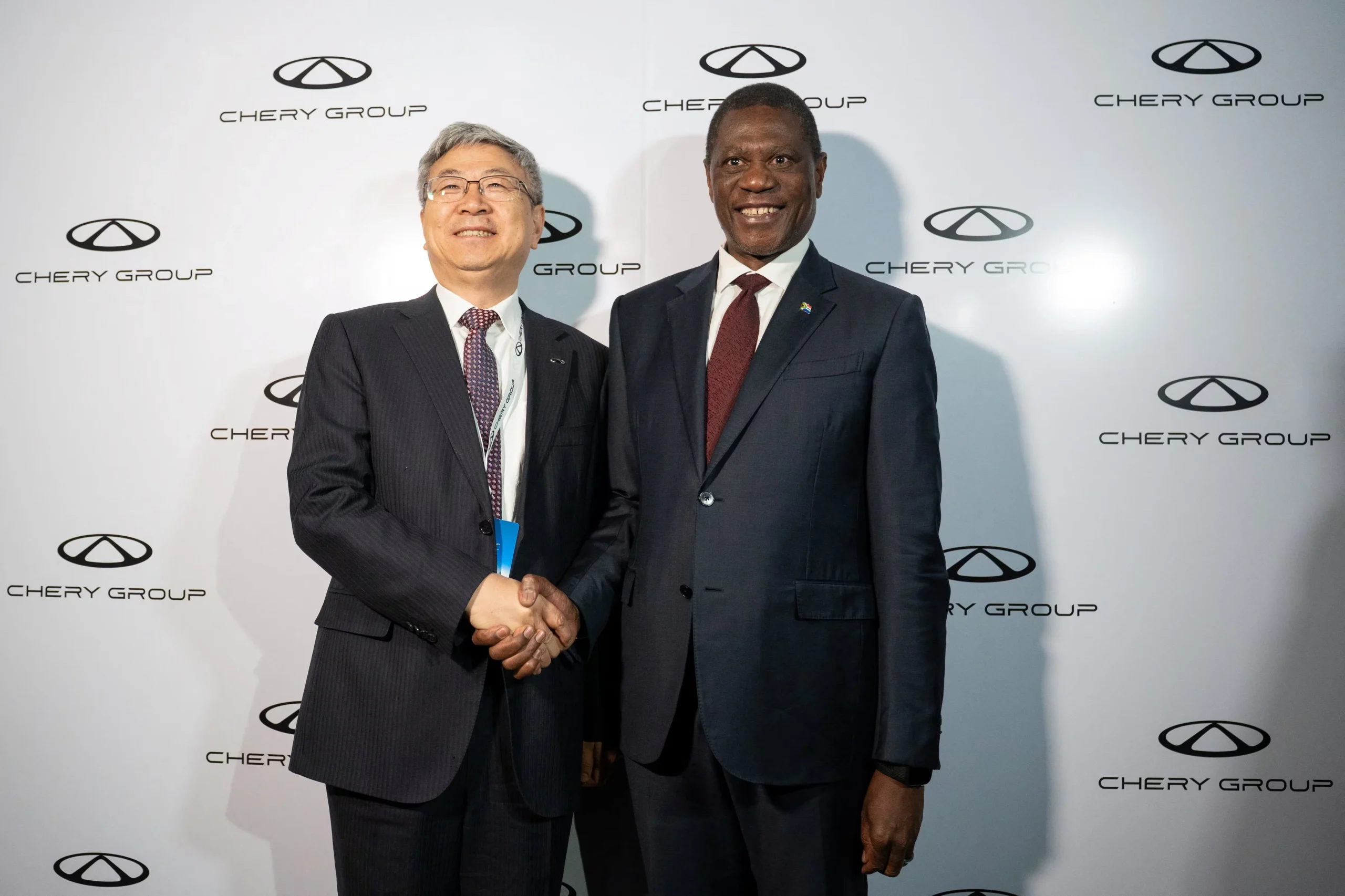
Charlie Zhang, Vice‑President of Chery Auto, described the Rosslyn site as a “complete automotive ecosystem” that will host research, development, supply‑chain management and workforce training. The long‑term goal is to reach annual sales of more than 100,000 vehicles in the South African market while using the plant as a launchpad for the broader African region.
First Models on the Line
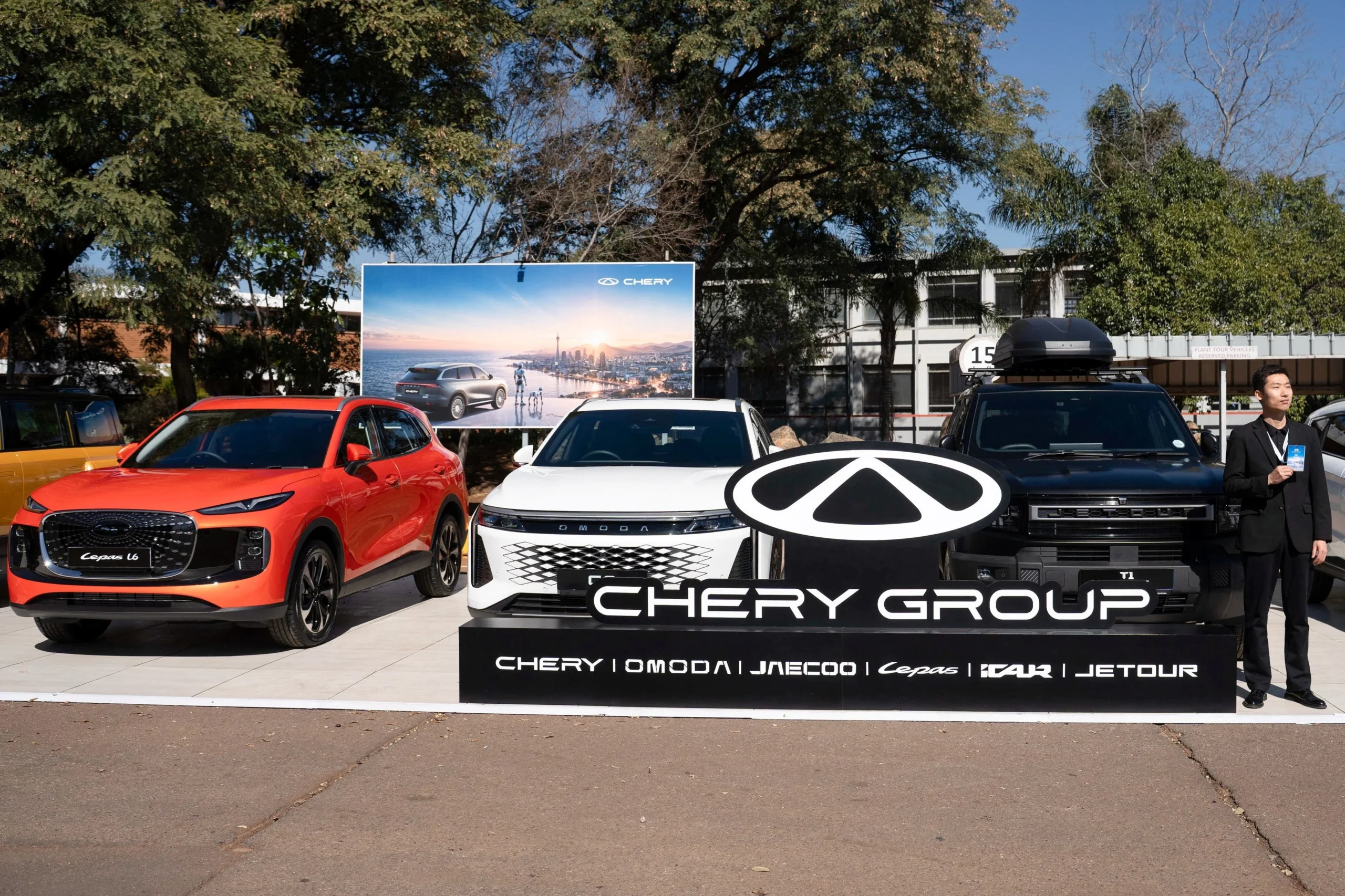
In the initial phase, the upgraded Rosslyn plant will produce several SUV models from Chery’s Jetour T Series, including the Jetour T1, the Jaecoo J5 and the Chery Tiggo 4. Notably, the Jaecoo J5 will be offered in both a traditional internal‑combustion engine (ICE) version and a new energy vehicle (NEV) variant, reflecting Chery’s push into electric mobility.
Production Targets
After a ramp‑up period in the third and fourth quarters of 2027, Chery aims to ship roughly 15,000 vehicles from the Rosslyn plant each year. The company also intends to raise the local content ratio to about 40% in the early stages, sourcing Tier‑1 components from South African suppliers.
Supply‑Chain Expansion
To support the localisation goal, Chery will bring in additional Tier‑1 suppliers from China, especially those specialising in electric‑vehicle components and smart‑car systems. This effort is designed to create a robust, hybrid supply chain that blends local expertise with global technology.
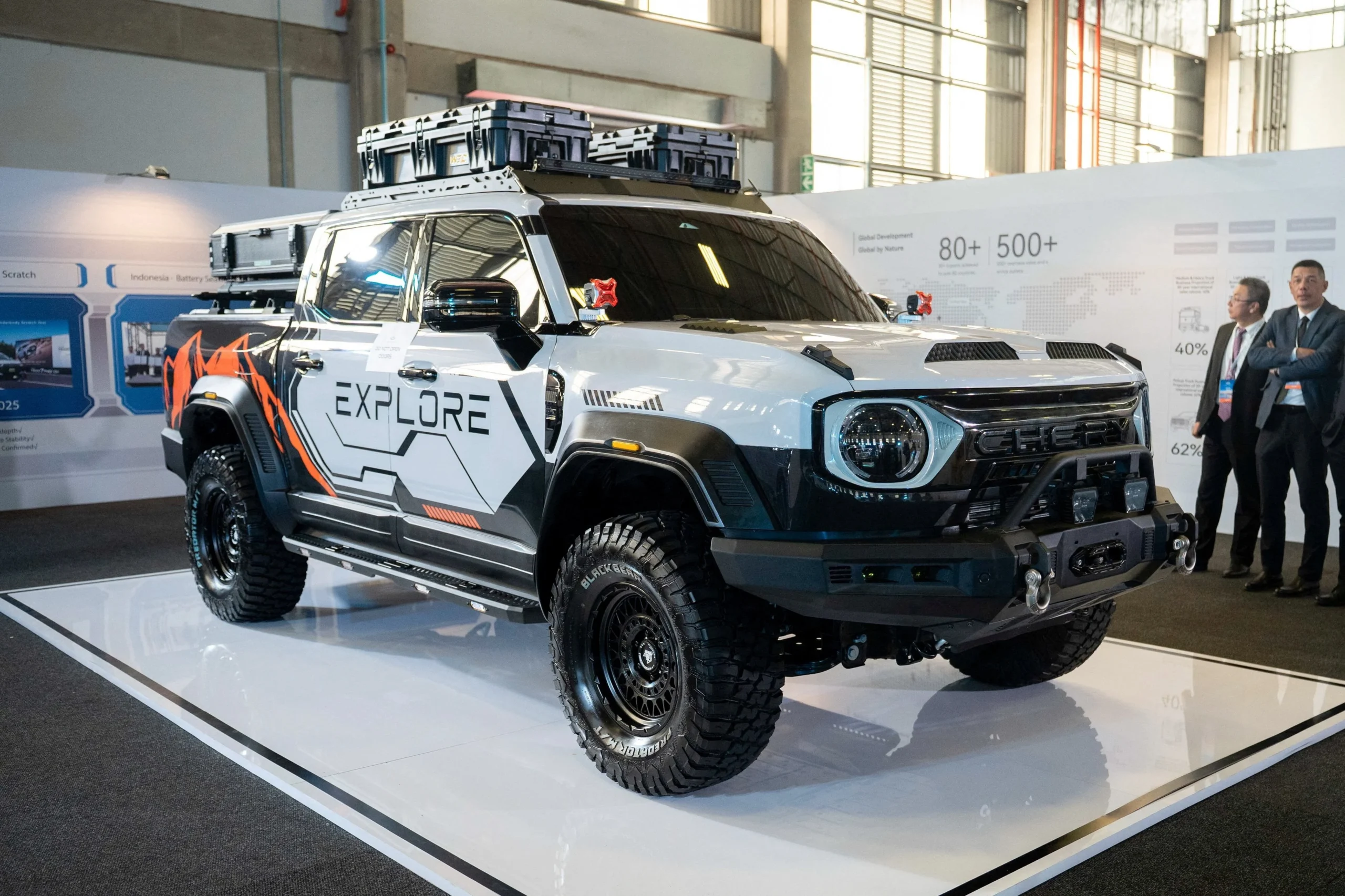
Looking Ahead
The Rosslyn takeover illustrates a broader trend among Chinese carmakers seeking growth beyond a saturated domestic market. By establishing a foothold in South Africa, Chery not only diversifies its production base but also positions itself to serve the rapidly expanding demand for both conventional and electric vehicles across Africa.
With the plant slated to reopen in 2027, the coming years will reveal how quickly Chery can translate its investment into market share, job creation and technological innovation on the continent.