
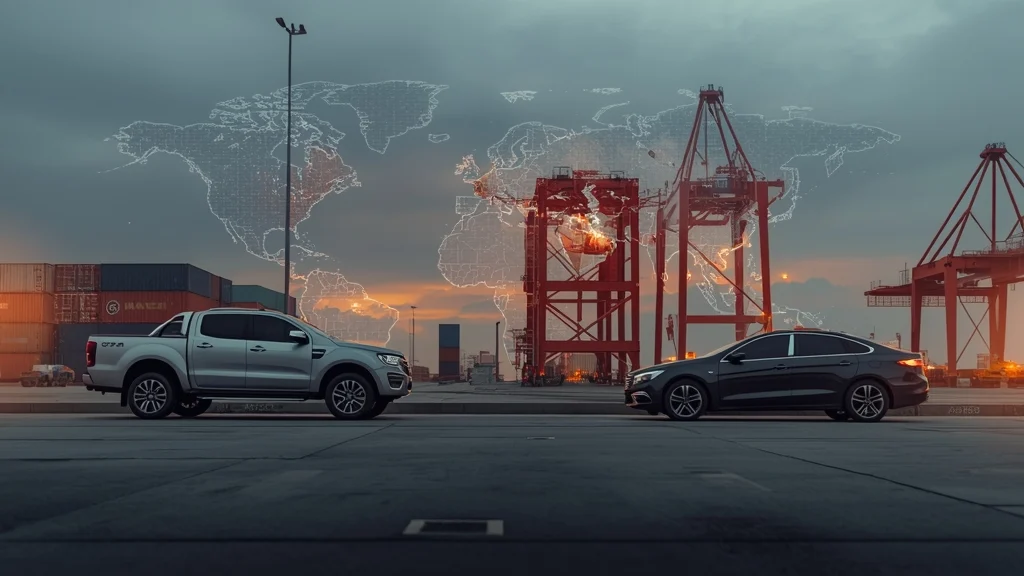
Thailand’s automotive sector sees a sharp drop in car exports after Hormuz shipping disruptions. Discover the impact and what lies ahead.
Thailand’s auto sector has felt the shock of a five‑month slump, with total vehicle assembly falling to 587,759 units – a 1.13% dip from the same period last year. The decline is largely tied to the ongoing conflict in the Middle East, which has snarled one of the world’s busiest shipping lanes.
Export volumes tumble
In May alone, production dropped 17.9% to 114,214 cars. For the first time, export‑bound output fell below the number of vehicles sold domestically, according to Surapong Paisitpatanapong, adviser and spokesperson for the Thai Automotive Industry Club (FTI).
The closure of the Hormuz Strait – a critical maritime corridor – severely limited Thailand’s ability to ship cars to the Middle East, its third‑largest export market after Asia and Australia. While demand for pickup trucks in the region remains strong, logistics bottlenecks cut shipments dramatically.
Export‑oriented assembly fell 36.2% YoY in May. Passenger cars slid 22.6%, and the flagship pickup segment slumped 38.7%. Overall shipments to the Middle East plunged 66.1% to just 59,434 units.
Downturn in the Oceania market
Sales to the broader Oceania region, including Australia, fell 37.1%. The pressure stems from rising competition from Chinese battery‑electric vehicles (BEVs) and stricter carbon‑reduction policies as Australia targets net‑zero emissions by 2040.
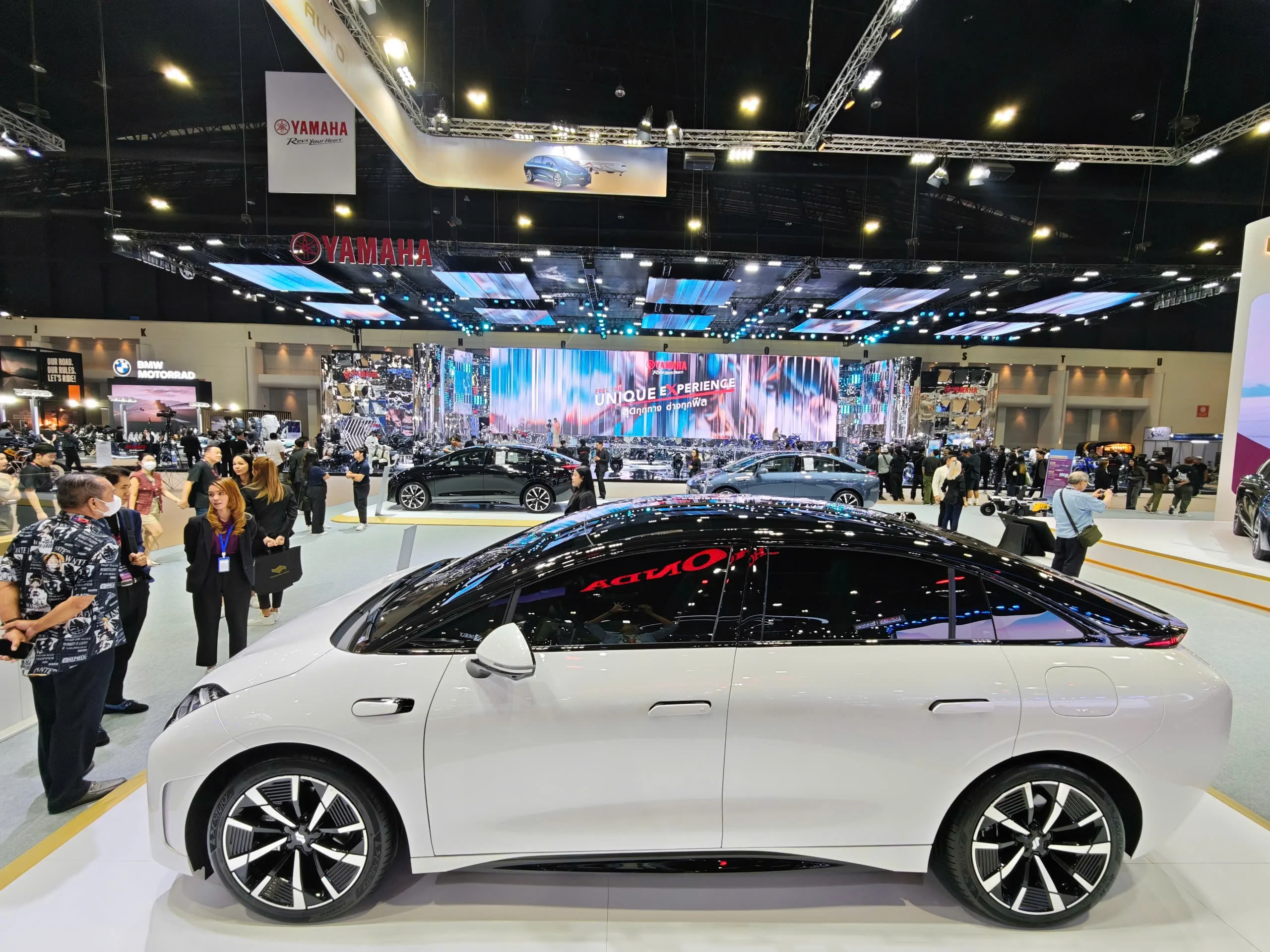
Across the first five months of the year, Thailand’s total vehicle export value dropped 8.53% to 333,618 units.
Domestic market shows signs of recovery
In stark contrast, the home market registered a robust rebound. May’s domestic production rose 12.7%, and total vehicle sales for the first five months jumped 14.1% to 288,242 units.
Domestic sales in May increased 10.6% to 57,765 vehicles, driven by strong demand for BEVs and sport‑utility vehicles (SUVs). Rising global oil prices, spurred by geopolitical tensions, have also nudged Thai buyers toward more fuel‑efficient models.
Outlook and government support
Despite the headwinds, FTI remains cautiously optimistic, citing stimulus packages announced by the Thai government. Economic forecasts have been revised upward, with GDP growth now projected at 2.3% for the year.
Surapong warns, however, that high household debt and a prolonged global economic slowdown linked to the Middle‑East conflict could keep pressure on the auto sector in the second half of 2024.
What’s next for Thailand’s car makers?
Manufacturers are accelerating investments in electric‑vehicle platforms and exploring alternative logistics routes to mitigate future disruptions. The industry’s resilience will hinge on how quickly it can adapt to shifting trade dynamics and evolving consumer preferences.