
China’s leading EV battery producers, including CATL and Sunwoda, pledge 60‑day payment terms to relieve supplier cash‑flow strains. Learn how this shift could stabilize the auto supply chain.
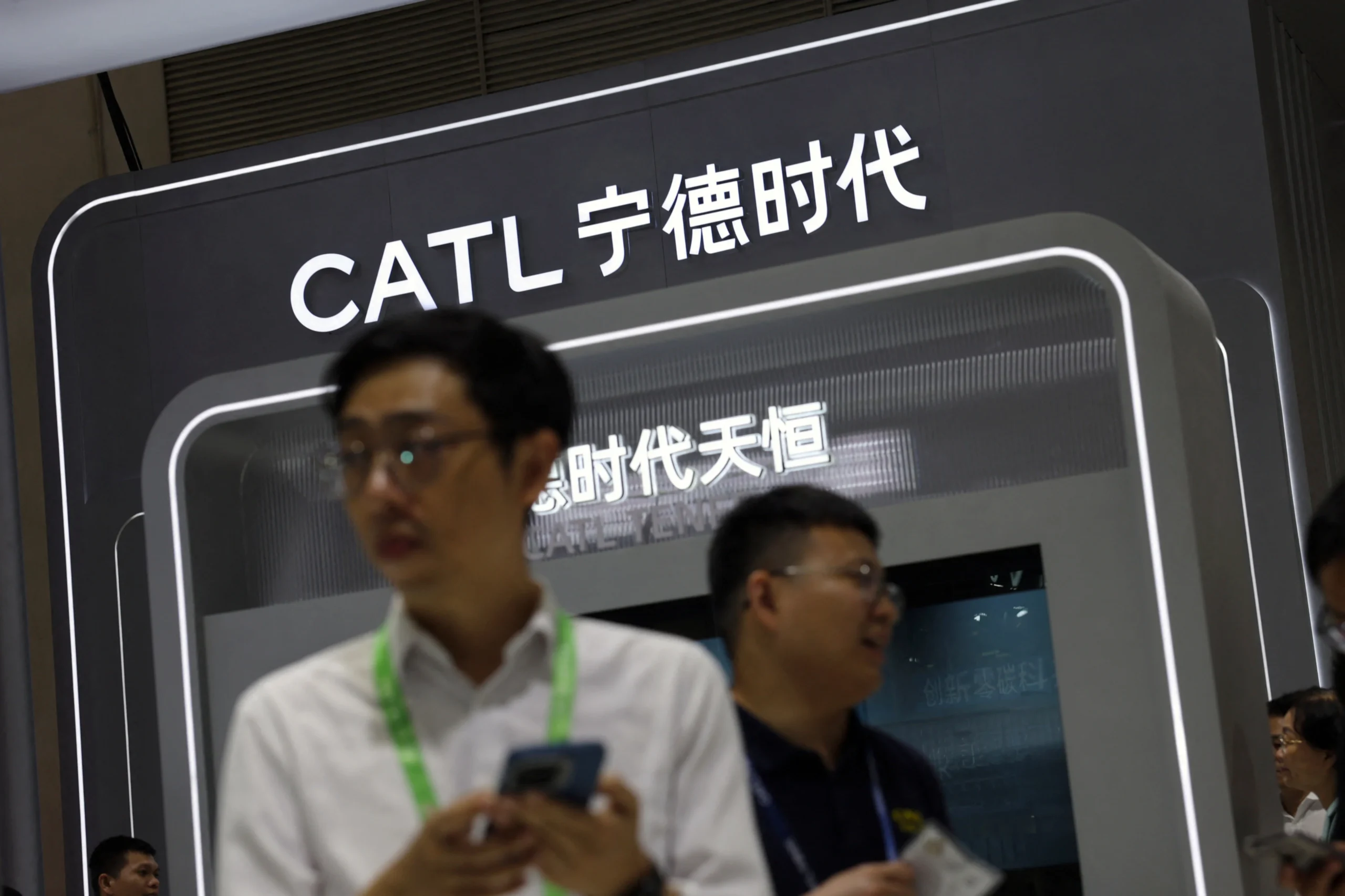
China’s electric‑vehicle (EV) market is grappling with tighter margins and a lingering demand slowdown. In response, the country’s three biggest EV battery manufacturers—CATL, CALB and Sunwoda—have announced that they will settle invoices with parts and material suppliers within 60 days.
Why payment terms matter
Extended payment cycles have become a chronic headache for small and mid‑size suppliers across the automotive supply chain. Delayed cash inflows force many firms to dip into costly short‑term financing or, in worst‑case scenarios, halt production.
Industry pressure and regulatory backdrop
The China Automotive Battery Innovation Alliance, a coalition that represents more than a dozen battery‑related firms, urged its members to tighten payment schedules after the Ministry of Industry and Information Technology warned that “excessively long payment periods are choking the cash flow of downstream suppliers and stifling investment in new technologies.”
Earlier this year, Chinese regulators introduced a rule requiring large enterprises to complete the majority of their payments to partners within 60 days. While the rule applies broadly, the battery sector has been especially vocal because battery cells still account for a substantial share of an EV’s total cost despite recent price declines.
Who is joining the pledge?
So far, 11 battery manufacturers have signed on to the initiative, with CATL, CALB and Sunwoda leading the way. The three firms committed to paying for raw‑material and component deliveries within a 60‑day window, and they encouraged other companies—especially larger automakers—to adopt similar terms or negotiate fairer conditions with their own suppliers.
Impact on the supply chain
Shortening the payment cycle is expected to:
- Alleviate cash‑flow constraints for small‑scale parts makers.
- Reduce reliance on expensive bridge financing.
- Enable suppliers to reinvest in research, development and capacity expansion.
- Stabilize the broader Chinese EV ecosystem amid fierce price competition.
The move follows a similar commitment made by major Chinese automakers in June 2025, after steel suppliers publicly complained about chronic late payments. By aligning battery makers and car manufacturers on the same 60‑day standard, the industry hopes to create a more predictable financial environment for everyone involved.
Challenges ahead
Despite the positive signal, smaller firms with limited working capital remain vulnerable, especially as geopolitical tensions in the Middle East keep raw‑material costs volatile. Continuous monitoring of payment practices and further regulatory reinforcement may be needed to ensure the benefits reach the most exposed players.
For investors, analysts and anyone watching the global EV race, the shift underscores how financial stewardship—rather than just technology—will shape the next phase of China’s automotive ambition.