

China’s ride-hailing market is overwhelmed, with driver earnings plummeting amid fierce competition. Discover the risks and how they affect drivers today – read more now.
Shenzhen’s transport authority has issued an urgent warning about the complete saturation of China’s online ride‑hailing market. With the economy under pressure, many have turned to gig‑driving as a lifeline, but the surge in drivers has pushed the sector into a deep crisis.
Massive Oversupply Across the Country
According to the Ministry of Transport, as of 30 April the Chinese ride‑hailing ecosystem hosts 26 major app platforms operating a staggering fleet of vehicles. The authorities have issued 142,247 legal vehicle permits and 394,872 driver licences. Nationwide, there are now 399 licensed platforms, more than 5.2 million drivers and 2.25 million ride‑hailing cars on the road.
Falling Order Volumes
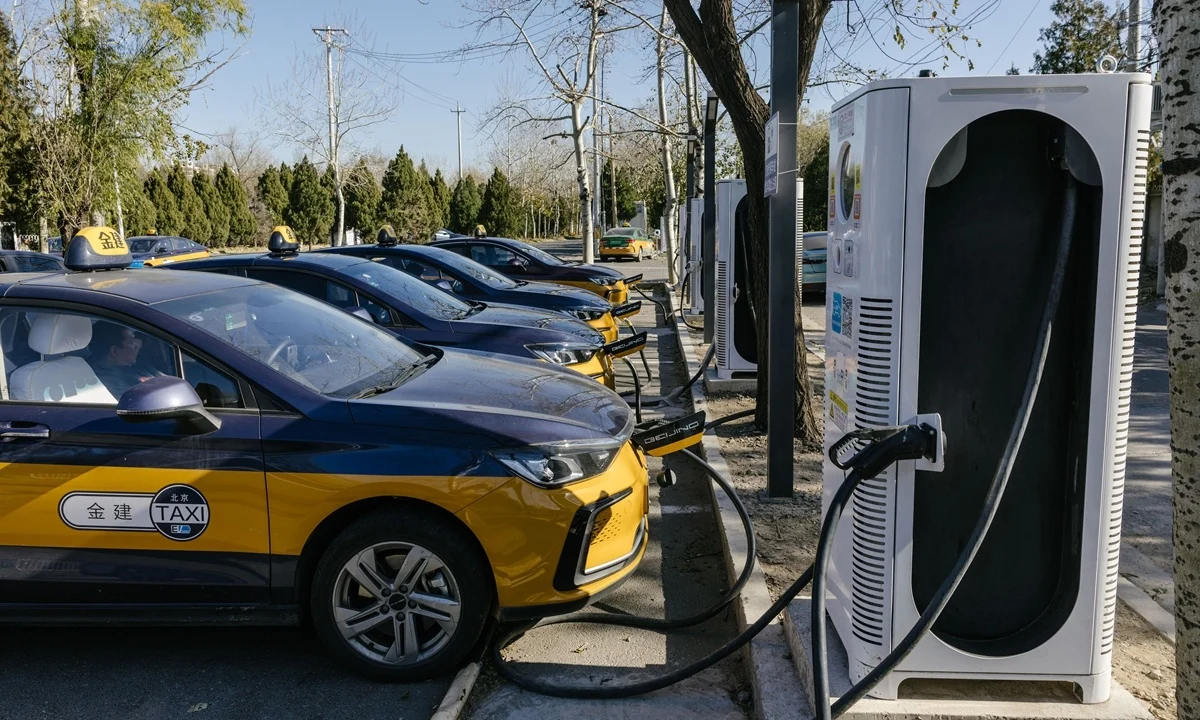
The flood of participants has driven competition to brutal levels. Data for April shows a sharp dip in the average number of orders per vehicle. In Shenzhen, a typical ride‑hailing car now receives only 13.01 orders per day. Over 32,200 cars recorded fewer than ten trips daily by the end of 2025.
City officials report that more than 400,000 legally registered vehicles average under five trips per driver each day. To cover fixed costs – vehicle lease, electricity or fuel, and insurance – drivers need to complete at least 15–20 trips daily. The reality forces many to spend 14‑hour shifts for just a handful of rides, often ending the day with a net loss.
Government Advisory for Prospective Investors
The Shenzhen transport bureau urges anyone considering buying or leasing a vehicle for ride‑hailing to conduct thorough market research and to assess realistic income expectations before signing any contracts.

Predatory Practices and False Promises
Authorities have also uncovered a wave of misleading online ads that promise sky‑high earnings to new drivers. Many who fall for these schemes face heavy penalties when trying to terminate lease agreements early.
Nationwide Public Warnings
Major cities such as Shanghai, Chengdu and Guangzhou have issued unprecedented public advisories, urging residents not to abandon stable employment for gig work, and to avoid high‑interest loans for purchasing or leasing ride‑hailing cars.
Regulatory Measures
Some localities have temporarily halted the issuance of new ride‑hailing licences to protect the income of existing drivers. While labour groups push for minimum hourly wages and caps on driver numbers, platforms remain hesitant, fearing price wars that could further erode driver earnings.
What This Means for Drivers
- Expect fewer daily trips – often less than five per vehicle.
- Rising operational costs mean at least 15–20 trips are needed to break even.
- Beware of online ads promising unrealistic income.
- Consider the long‑term sustainability before investing in a ride‑hailing vehicle.
The ride‑hailing boom in China has turned into a cautionary tale of oversupply, dwindling earnings, and regulatory crackdowns. Drivers and investors alike must navigate this turbulent landscape with realistic expectations and informed decisions.