
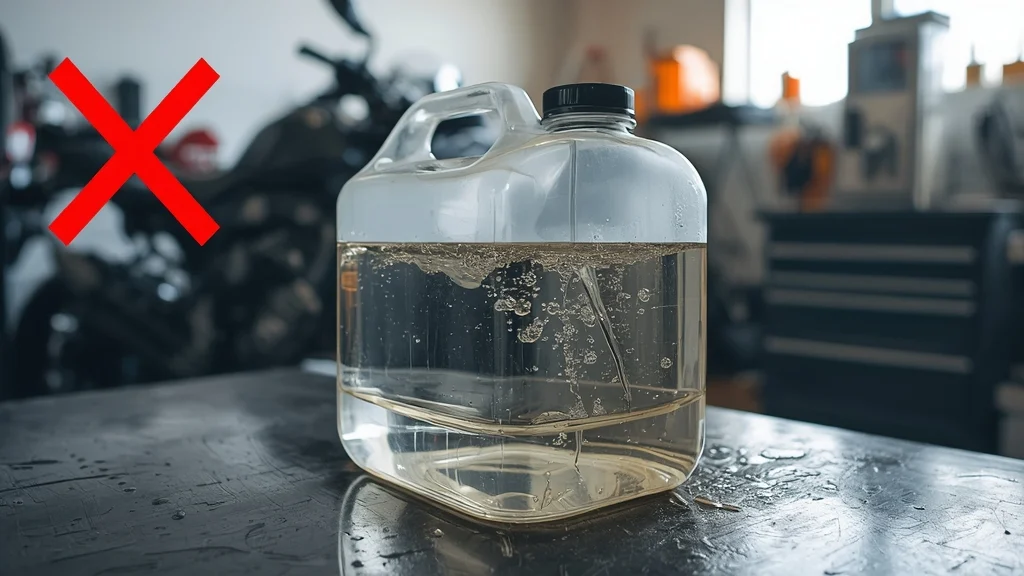
Learn why shaking an E10 tank won’t help and what really causes fuel phase separation. Stay safe – read the facts now!
Across Vietnam’s motor‑bike and car forums, you’ll often see the advice: “Shake the E10 tank before you drive.” The idea is that a quick swirl will blend ethanol and gasoline, preventing a dangerous phase‑separation problem. But is there any scientific basis for this ritual? The short answer: no country’s transport authority recommends shaking the tank, and the fuel chemistry tells a different story.
What is E10?
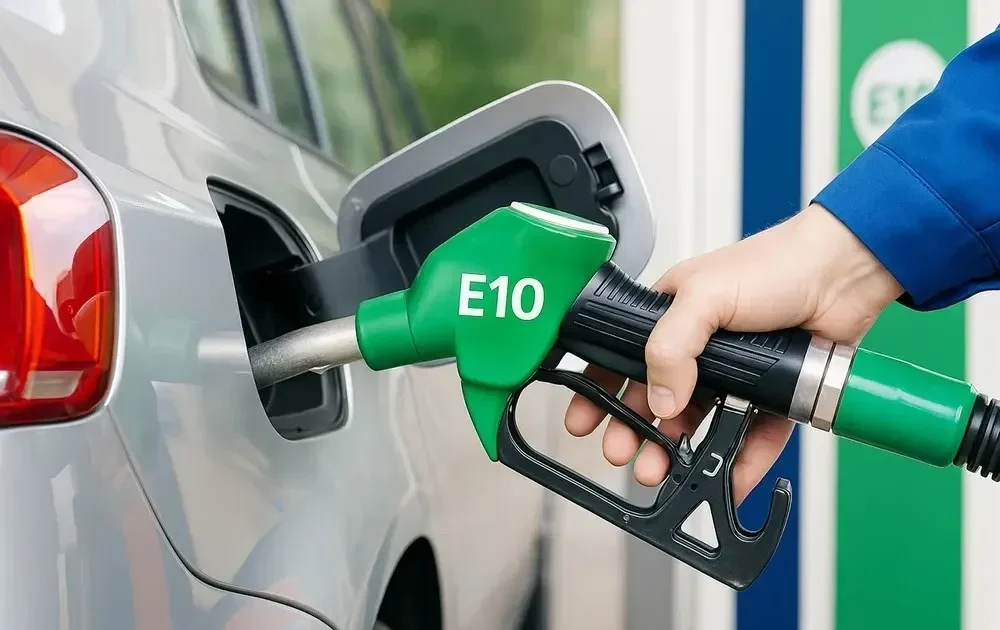
E10 is a blend of 10% anhydrous ethanol and 90% conventional gasoline. It is designed to reduce greenhouse‑gas emissions while keeping the performance and durability of existing engines. In Vietnam, more than 90% of gasoline‑powered vehicles can run on E10 without any engine modifications, a fact echoed by the Ministry of Industry and Trade.
Why the “shake the tank” advice appeared
In online groups, users worry that ethanol and gasoline might separate over time, especially if water gets into the tank. The suggested cure – a few vigorous shakes – is meant to remix the two liquids before the engine sees them.
The science of phase separation
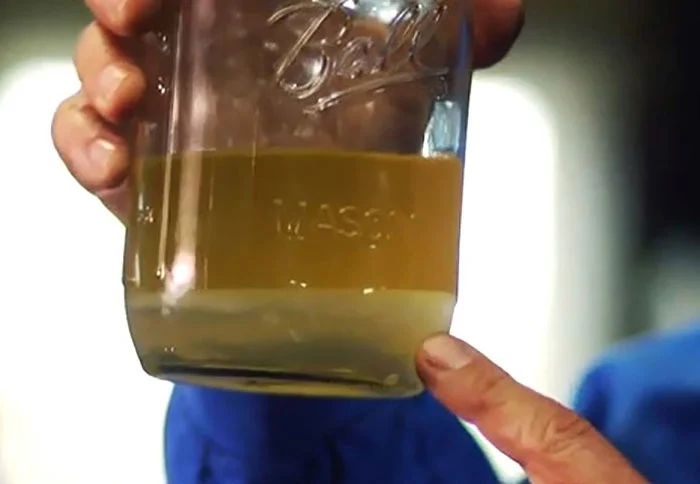
Ethanol is fully miscible with gasoline when mixed under proper industrial conditions. The blend forms a single, stable solution that will not separate under normal gravity. Separation only occurs when the fuel absorbs a significant amount of water. Moist air in the tank can allow ethanol to pull water vapor into the mixture. Once the water content exceeds the solubility limit (roughly 0.5% by volume), the blend can split into two layers: a heavier ethanol‑water phase that settles at the bottom and a lighter gasoline layer on top.
Does shaking fix a separated blend?
If phase separation has already happened, shaking the tank does not re‑dissolve the water‑ethanol layer. The only reliable remedy is to drain and thoroughly clean the fuel tank before refilling with fresh E10. This is the recommendation from fuel‑industry bodies in the United States, Brazil, India, and the Philippines.
Global practices and regulations
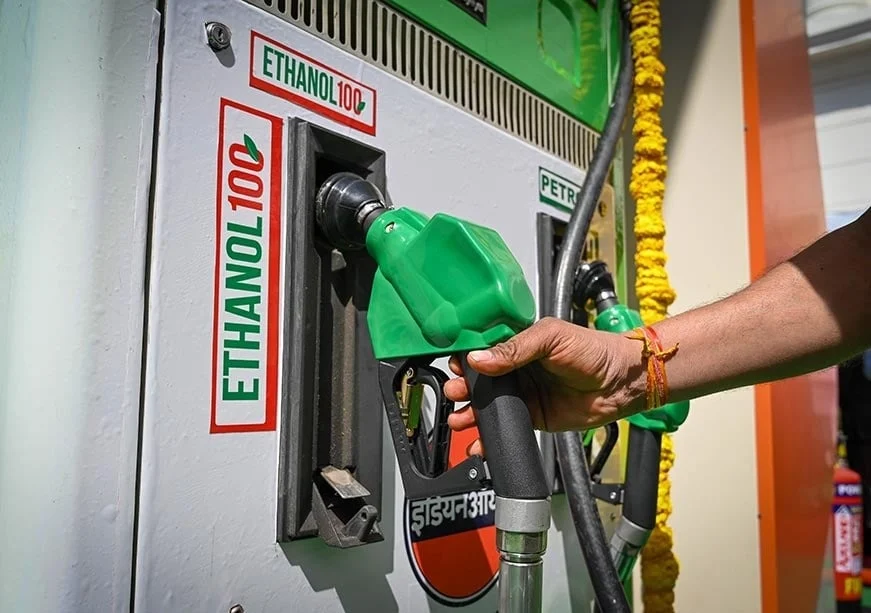
Many countries already use higher‑ethanol blends: the U.S. standardizes E10, India targets E20, and Brazil mandates 27% ethanol (E27) and even offers E100 (pure ethanol) at some pumps. Brazil’s “flex‑fuel” vehicles automatically adjust spark timing and fuel injection based on the ethanol‑gasoline ratio, thanks to sophisticated engine‑control units (ECUs) and oxygen sensors.
In these markets, manufacturers and regulators do not advise drivers to shake the tank. Instead, they focus on proper fuel storage:
- Use tanks and fuel lines made of corrosion‑resistant materials (stainless steel or specialized polymers).
- Replace aging rubber hoses that may become brittle and allow water ingress.
- If a vehicle will sit idle for more than three months, drain the tank or run the engine until it’s empty to avoid long‑term storage issues.
Practical tips for E10 owners
- Check for water contamination. A simple fuel‑water separator or a visual inspection (cloudy fuel) can reveal problems early.
- Keep the tank sealed. Minimize exposure to humid air by ensuring the fuel cap is tightly closed.
- Maintain the fuel system. Replace old fuel filters and, for carbureted motorcycles, consider a pre‑emptive filter change when switching to E10.
- Don’t rely on shaking. If you suspect separation, the safest course is to flush the tank and refill.
Bottom line
Shaking an E10 tank is a well‑intentioned myth, not a proven safety measure. Phase separation is driven by water absorption, not by a lack of mixing, and once it occurs, only a thorough cleaning can restore the fuel’s integrity. Follow the storage and maintenance guidelines recommended by manufacturers and fuel authorities, and you’ll enjoy the environmental benefits of E10 without worrying about unnecessary tank‑shaking rituals.