
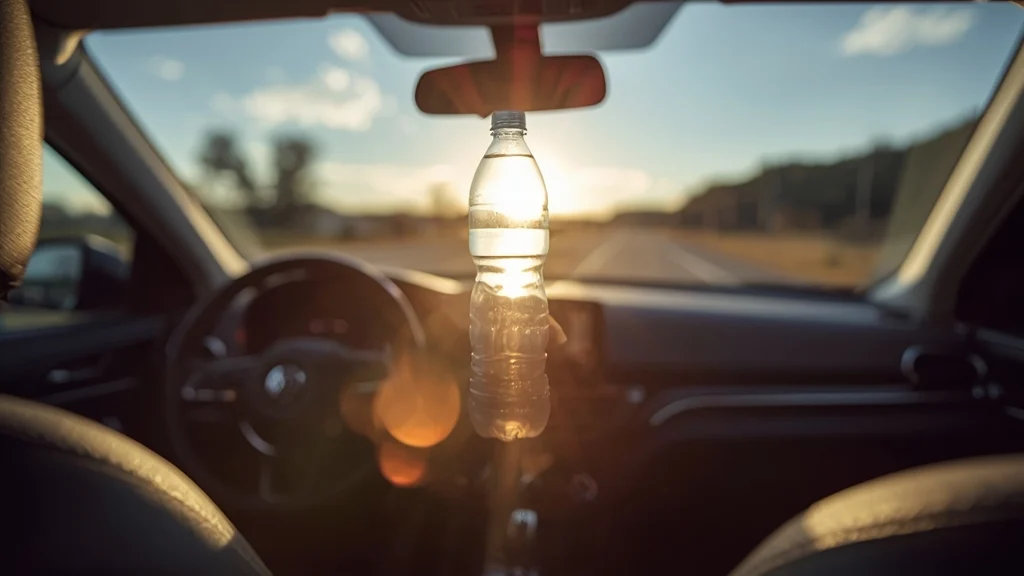
Discover how a simple water bottle can turn a scorching car into a fire hazard and release toxins. Learn the risks and protect yourself today!
When temperatures soar, many of us leave our cars parked under the blazing sun and keep a plastic water bottle within arm’s reach. It seems harmless—until the heat turns that bottle into a miniature solar lens.
Sunlight, Plastic, and Focal Points
Clear PET bottles act like tiny magnifying glasses. Sunlight passes through the curved surface, bends, and converges at a focal point. If that point lands on a flammable surface—leather upholstery, carpet, or dark‑colored plastic trim—the temperature can spike well above 100°C (212°F) in seconds.
Real‑World Incidents
Idaho truck driver, 2017: A video released by Fox 5 Atlanta showed a clear water bottle on a truck seat igniting the cushion. The focal spot reached 213°F (≈100°C), producing smoke and a small burn through the leather.
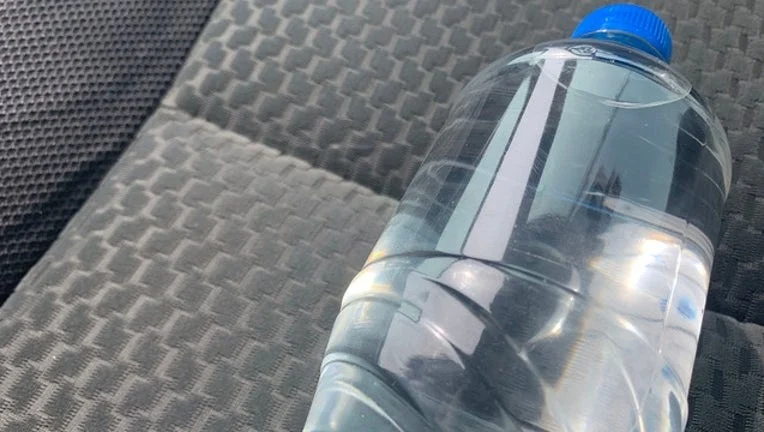
Midwest City fire test, Oklahoma: Firefighters demonstrated that a water bottle placed over a sheet of paper under intense sun burned a hole right through the paper, confirming the lens effect.
Potential Damage to Your Car’s Interior
Most modern car seats are engineered to be fire‑retardant and self‑extinguishing. Even so, a focused hot spot can:
- Char or melt leather and vinyl.
- Burn carpet fibers and foam padding.
- Create a small perforation that, while unlikely to trigger a full‑car fire, can degrade interior aesthetics and resale value.
Chemical Leaching From PET Bottles
Beyond fire risk, prolonged exposure to extreme heat causes PET (polyethylene terephthalate) to release micro‑plastics and chemicals such as antimony and phthalates into the water. Drinking that water may pose health concerns, especially for children and pregnant women.
Other Hot‑Car Hazards to Watch Out For
Items commonly left in vehicles can also become ignition sources:
- Disposable butane lighters: The pressurized canister can explode when internal pressure rises above 50‑60 °C.
- Aerosol cans (air fresheners, cleaning sprays): Heat expands the propellant, increasing the risk of rupture or explosion.
- Power banks and lithium‑ion batteries: High ambient temperatures can cause thermal runaway, swelling, leakage, or fire.
Safety Tips
- Never leave plastic water bottles, power banks, or aerosol cans in a parked car on hot days.
- If you must transport water, use a stainless‑steel or insulated bottle that does not focus sunlight.
- Park in shaded areas or use sunshades to reduce interior temperature.
- Remove or secure any flammable items before leaving the vehicle.
By understanding the science behind a simple water bottle’s “magnifying glass” effect, you can keep both your health and your car safe during the hottest months.