
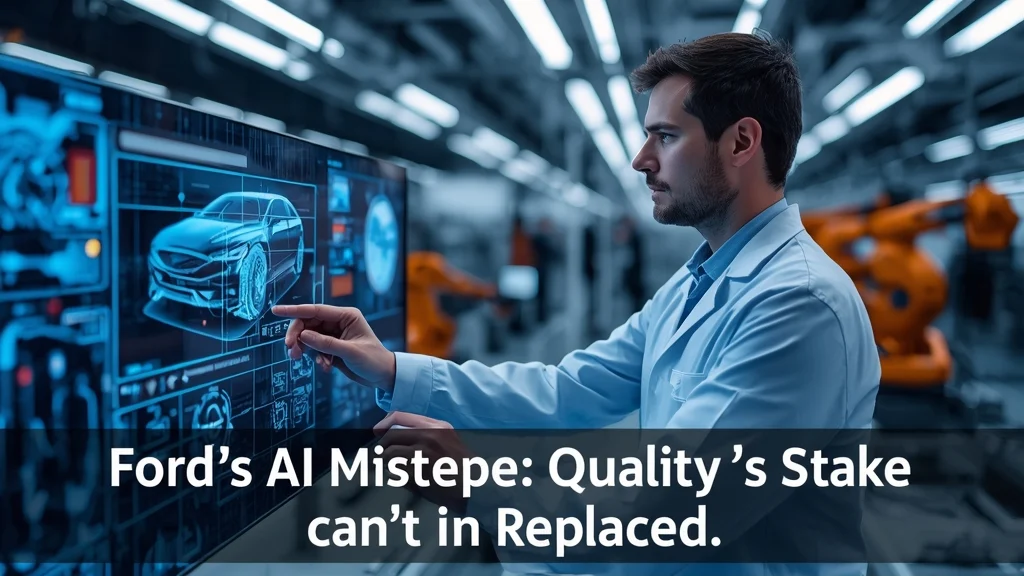
Ford reveals over‑reliance on AI hurt vehicle quality, prompting a massive engineer recall and new software testing strategy. Learn more now.
Why Ford Turned to AI
In an effort to slash warranty expenses and cut the number of recalls, Ford accelerated the use of artificial intelligence across its vehicle‑development pipeline. The promise was clear: AI‑driven diagnostics could spot software glitches early, streamline testing, and ultimately raise the bar for build quality.
Over‑confidence Became a Pitfall
Recent remarks to The Verge reveal that the automaker placed too much faith in AI without fully accounting for the experience of veteran engineers. The result? A decline in overall vehicle quality and a spike in early‑stage software bugs.
Engineer Exodus and the Knowledge Gap
Charles Poon, Ford’s vice‑president of hardware engineering, explained that many senior engineers left the company before they could “hand over” critical know‑how to the new AI models. Their departure created a vacuum that the AI systems struggled to fill.
Re‑hiring 350 Engineers to Bridge the Gap
To plug the expertise gap, Ford rehired, promoted, and recruited more than 350 engineers. These veterans are now mentoring younger staff and refining the data‑collection methods that feed the AI tools.
AI Remains Central to Quality Control
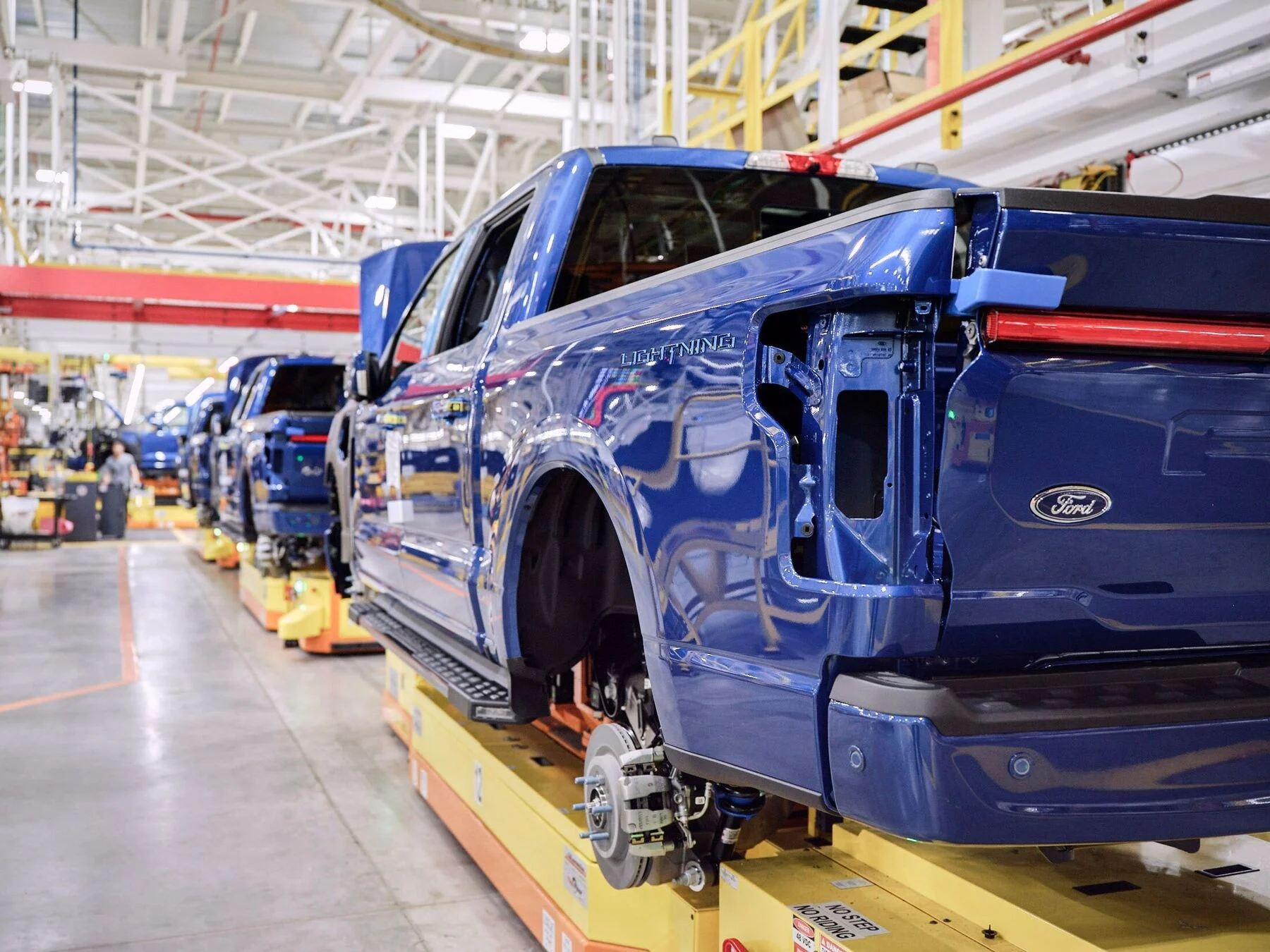
Despite the setbacks, Ford still sees AI as a cornerstone of its quality‑assurance strategy. The company runs over 100,000 AI‑based test cases to stress‑check software systems and identify edge‑case scenarios. When a fault is detected, software updates can be rolled out quickly—even late in a model’s development cycle.
Automation Accelerates Fixes
“Because the tests are highly automated, we can re‑run the entire verification suite in minutes after a late‑stage software tweak,” Poon said. This speed helps ensure that any change works flawlessly before the car reaches the customer.
From “Find‑and‑Fix” to “Predict‑and‑Prevent”
Ford is shifting away from the traditional “find‑and‑fix” mindset, where defects are addressed only after they appear. A dedicated 40‑person software‑quality team now monitors metrics that were once reserved for hardware, aiming to catch issues before they manifest in the field.
Early Results: Fewer Recalls, Lower Costs
While Ford still issued more recalls than any other U.S. automaker this year, both warranty expenses and recall frequency are trending downward—signs that the new approach is beginning to pay off.
What This Means for the Industry
The Ford experience underscores a key lesson for all manufacturers: AI can boost efficiency, but it cannot replace deep engineering expertise. A balanced partnership between human insight and machine learning is essential for delivering reliable, safe vehicles.