
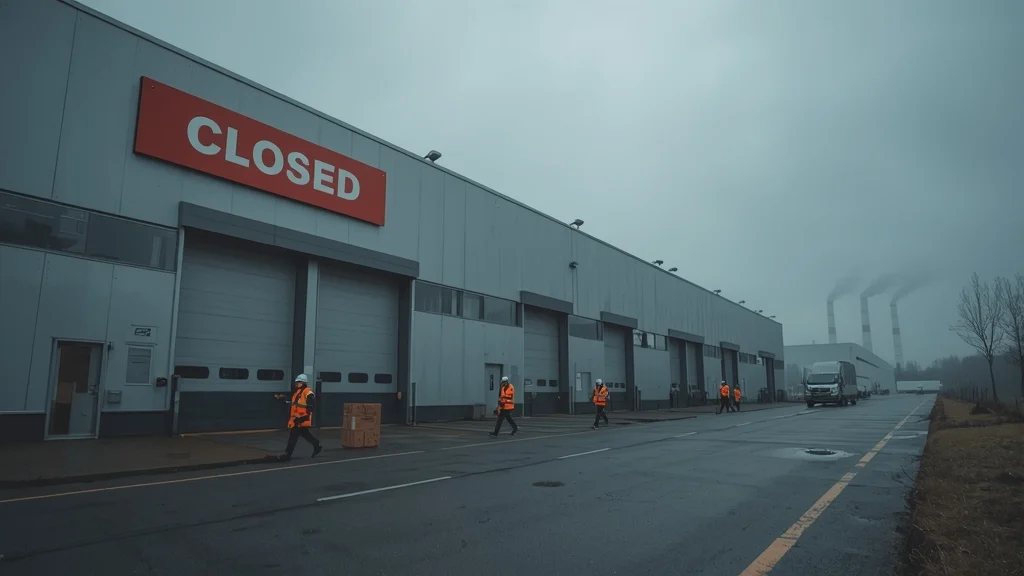
Volkswagen is weighing up to 100,000 job cuts and the closure of four German factories as Chinese EV rivals intensify pressure. Read more now.
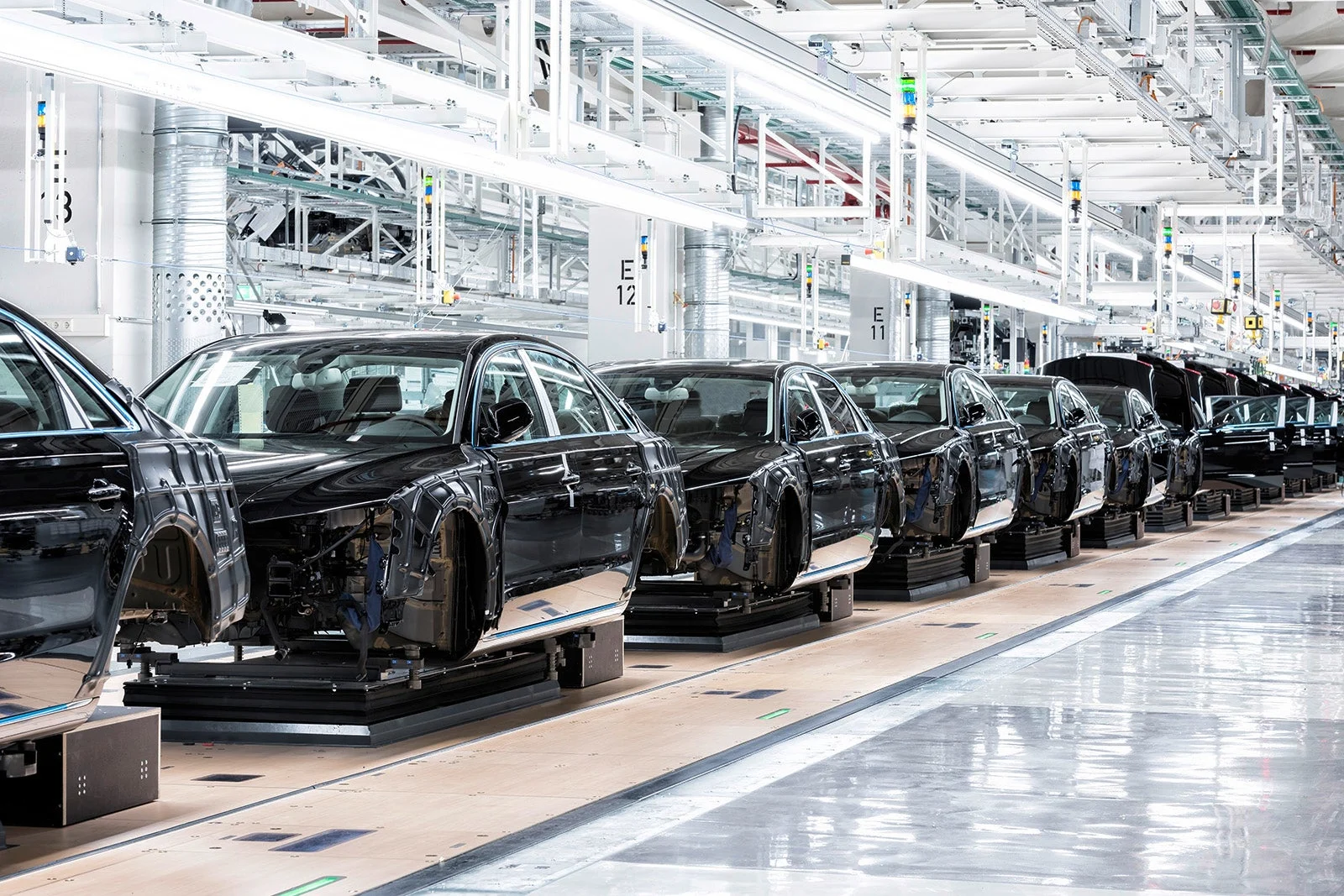
Volkswagen AG, the German automotive giant, is reportedly preparing one of the most sweeping restructuring plans in its history. The company may cut as many as 100,000 jobs and shut down four production sites in Germany – Hanover, Zwickau, Emden, and Audi’s Neckarsulm plant – potentially affecting more than 45,000 workers in addition to the 50,000 positions already earmarked for reduction.
Why the drastic move?
The decision comes amid escalating competition from fast‑growing Chinese manufacturers, rising U.S. import duties on cars, and a softening demand in the European market. Volkswagen’s current business model is under pressure, prompting CEO Oliver Blume to present a deep‑cut proposal to senior executives.
Financial implications
Analysts estimate that the group could trim its investment budget by roughly 15 %, lowering planned spending to under €130 billion over the next five years. The move is intended to preserve cash flow and protect profitability as the company confronts a rapidly evolving electric‑vehicle (EV) landscape.
Union and political pushback
The plan is expected to meet fierce resistance from IG Metall, Germany’s largest metalworkers’ union, and Volkswagen’s works council. Additionally, the state government of Lower Saxony – the second‑largest shareholder – has publicly opposed any plant closures.
China’s accelerating EV challenge
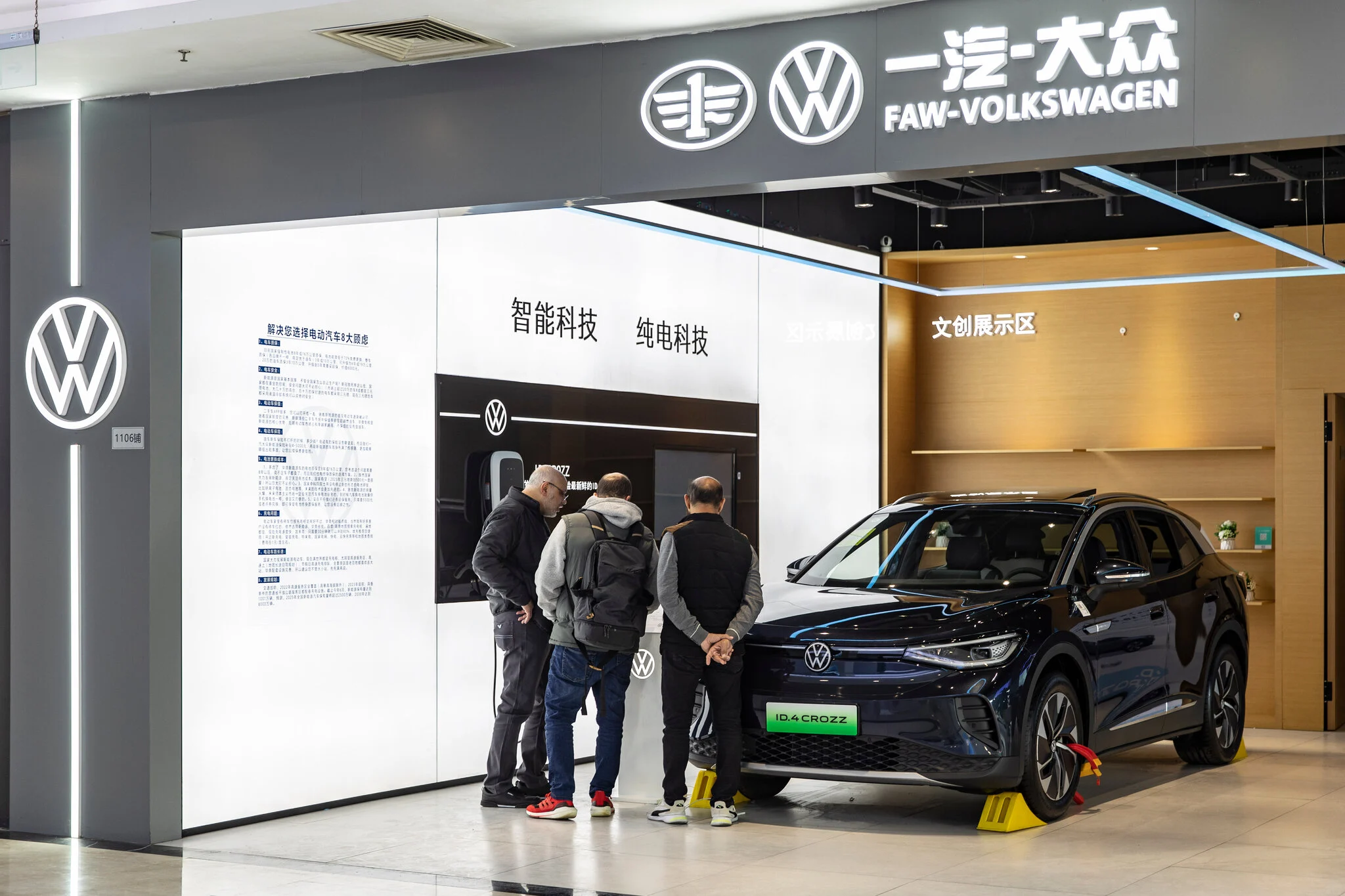
Chinese EV makers such as BYD, Chery, SAIC and Leapmotor are gaining ground not only in China but also across Europe. According to consulting firm AlixPartners, foreign‑owned carmakers’ market share in China fell from 57 % in 2020 to an estimated 32 % by 2025. Volkswagen, once the market leader in China, slipped to third place after BYD overtook it in 2024.
Previous attempts and current outlook
Volkswagen’s earlier effort to close German plants in 2024 was stalled after massive worker protests. This time, the stakes are higher, with the company confronting what executives describe as “one of the biggest challenges in its history.”
What’s next?
Stakeholders will be watching the July 9 board meeting closely. If approved, the restructuring could reshape the European automotive landscape, accelerate Volkswagen’s shift toward electric mobility, and set a precedent for how legacy automakers respond to Chinese competition.