
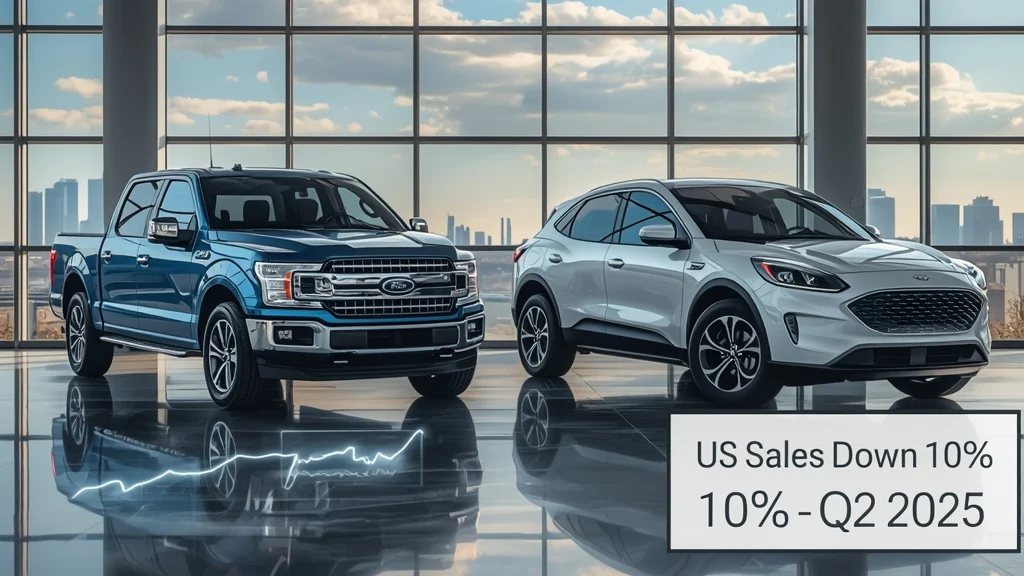
Ford’s US sales fell 10.3% in Q2 2026 due to F‑Series supply issues and waning EV demand. Read the full analysis and see what’s next.
Ford Motor Co. announced that its U.S. new‑vehicle sales fell 10.3% in the second quarter of 2026, delivering 549,200 units compared with 612,095 a year earlier. While the dip was sharper than the company’s own expectations, it still outperformed a forecast from Cox Automotive that had projected an 11.5% decline.
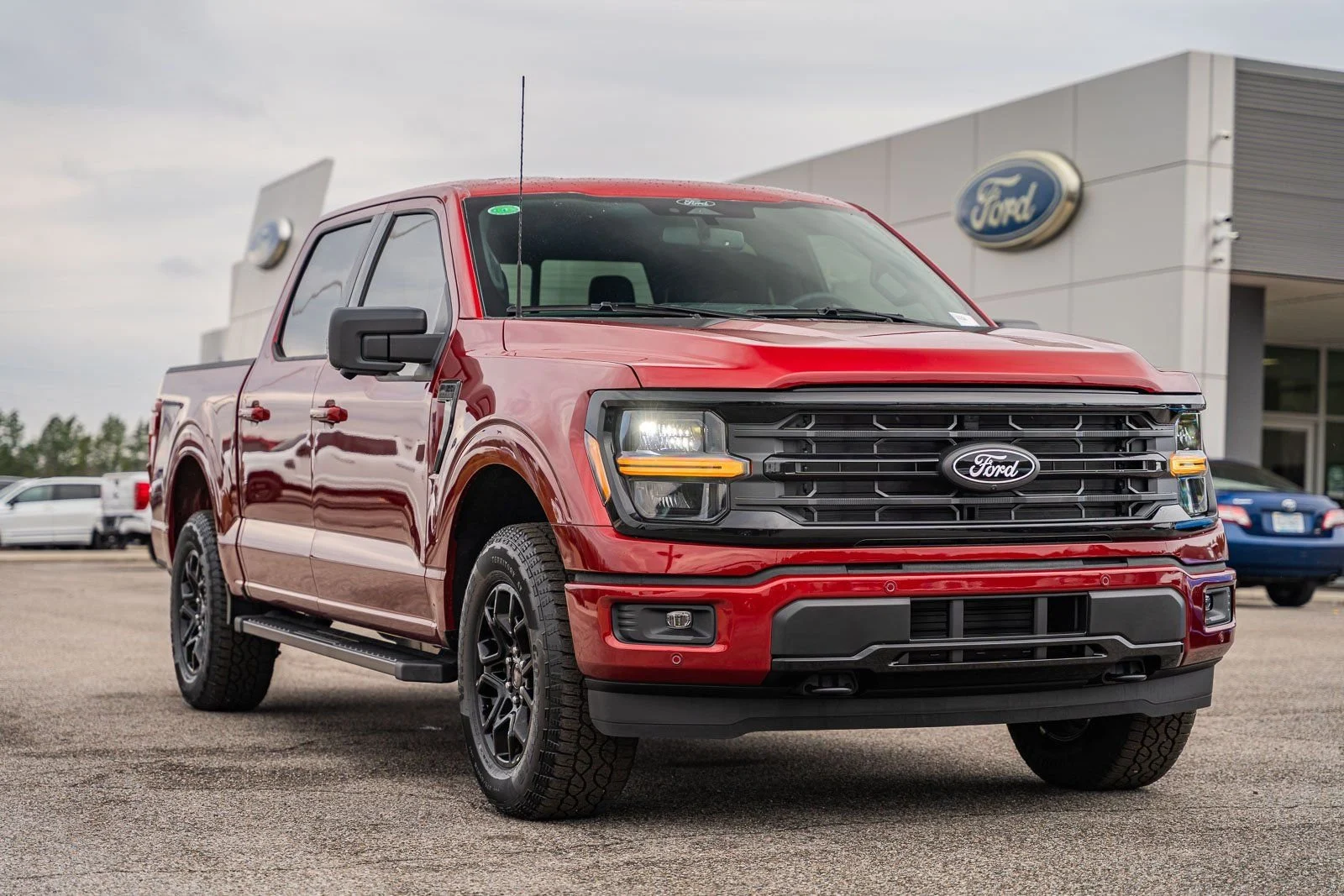
F‑Series trucks face supply constraints
The biggest drag on the numbers came from the iconic F‑Series line, including the best‑selling F‑150. Sales for the family dropped 11% as the automaker wrestled with an aluminum shortage that followed two factory fires at its primary supplier in late 2025. Ford says the supplier has now resumed full production, and the company is gradually rebuilding output for commercial customers.
Despite the short‑term squeeze, demand for the F‑Series remains robust. Ford expects a smoother supply chain in the latter half of 2026, which should help the truck segment regain momentum.
Electric‑vehicle sales tumble
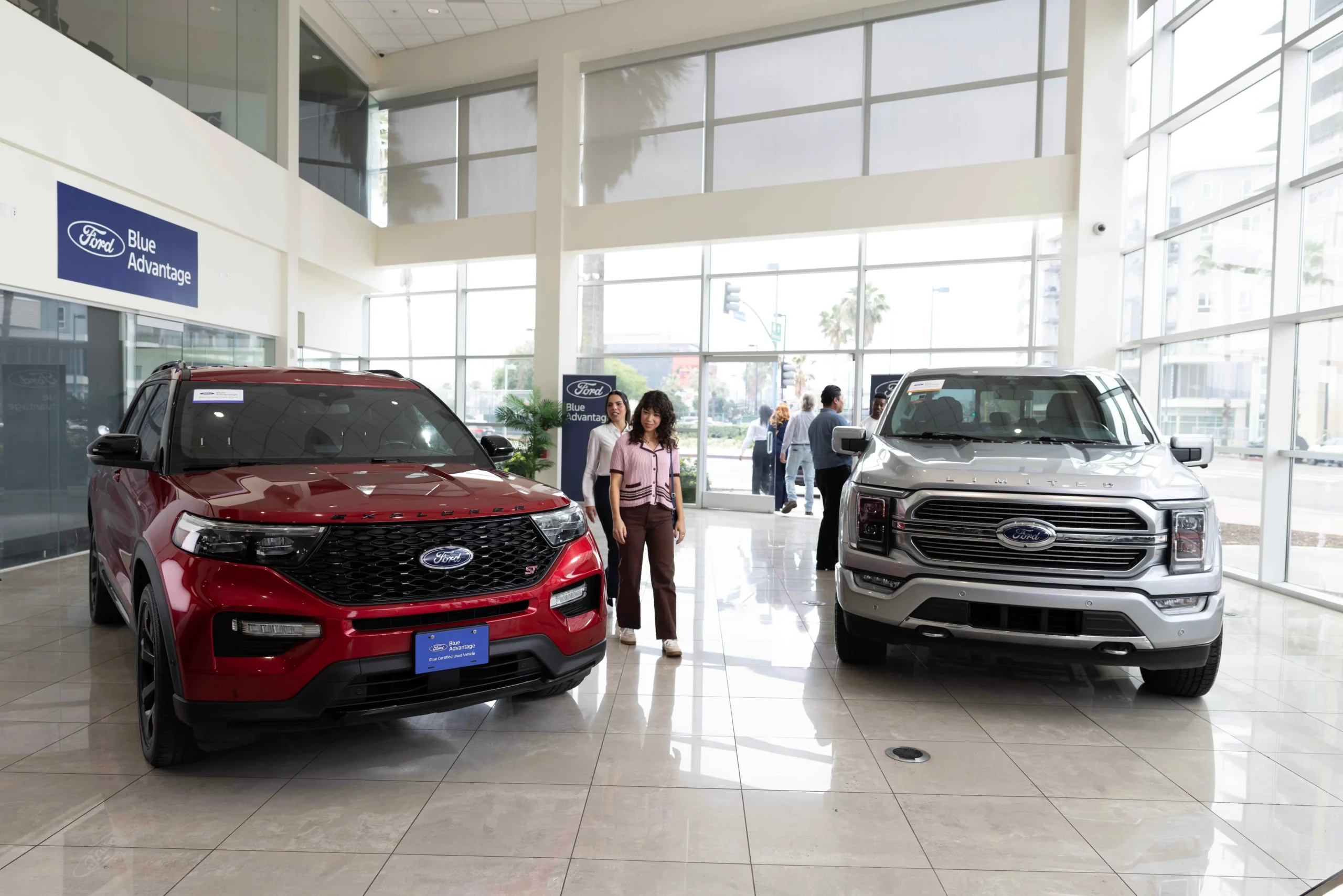
Ford’s pure‑electric models saw an even steeper slide, with Q2 EV deliveries down 40.7% year‑over‑year. The slowdown mirrors a broader cooling of electric‑vehicle demand across the United States, as consumers weigh higher prices and a limited charging network.
Over the first six months of the year, Ford moved roughly one million vehicles in total, a 9.6% drop from the same period in 2025.
Market backdrop and competitor performance
Even as Ford’s figures slipped, the overall U.S. auto market showed signs of resilience. Motor Intelligence reported a 7.5% year‑over‑year rise in June 2026 sales, with the seasonally‑adjusted annual rate (SAAR) reaching 16.67 million units—above many analysts’ expectations.
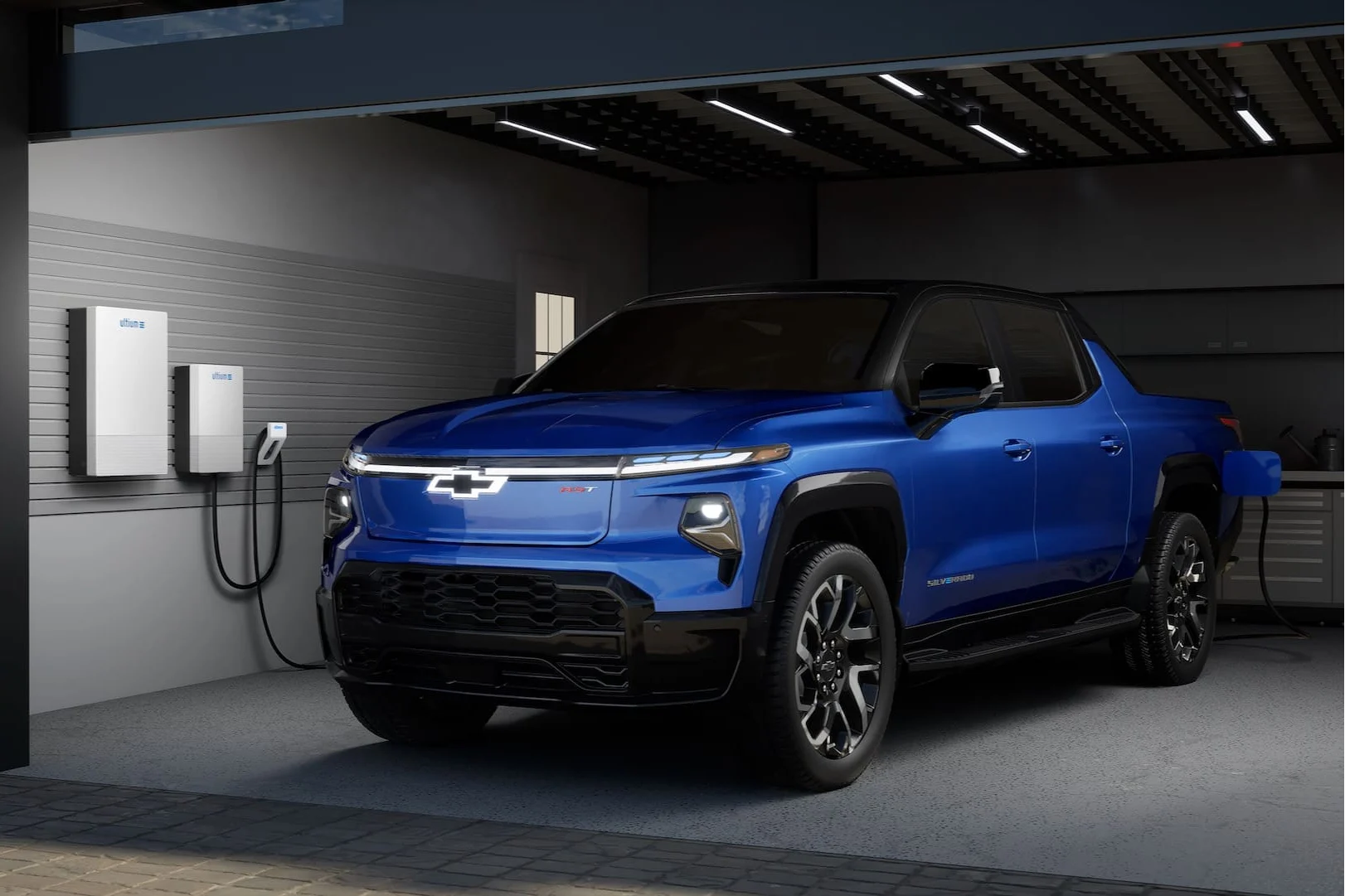
General Motors, Ford’s Detroit rival, also felt pressure, posting a 4.2% decline in Q2 sales amid a dip in its own EV volume.

Retail share and outlook
Ford’s U.S. retail market share nudged up by 0.2 percentage points to 12.3% in Q2, indicating that the brand still commands a solid foothold despite the sales dip.
Looking ahead, Cox Automotive still projects a 2.9% decline in total U.S. vehicle sales for 2026, with retail sales expected to fall 3.4%. However, segments such as hybrids continue to attract buyers, offering a potential buffer for manufacturers that can balance traditional trucks with electrified models.
Analysts will be watching closely whether Ford can restore F‑Series production capacity and revive consumer confidence in its electric lineup as the second half of 2026 unfolds.