
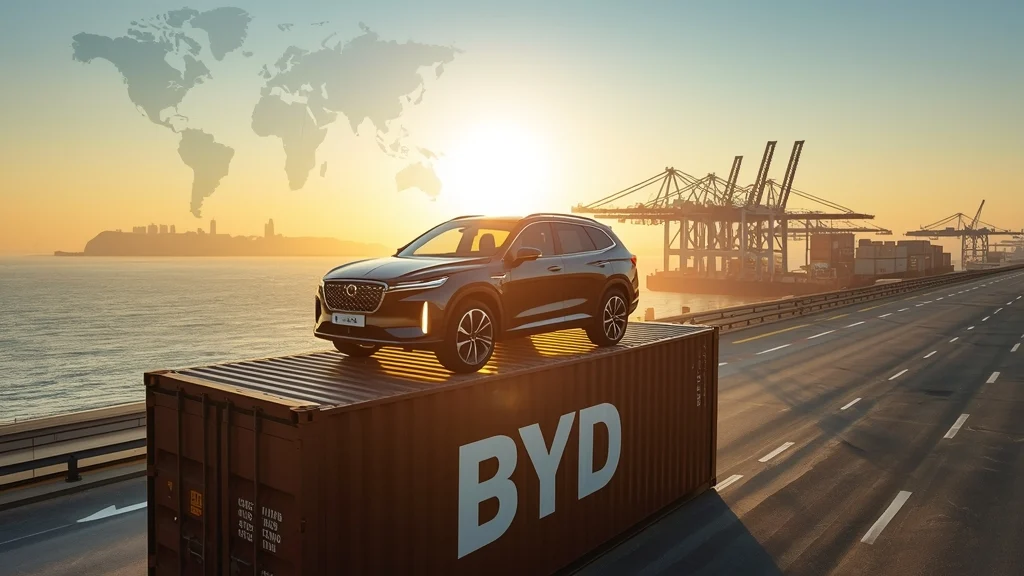
BYD stops domestic sales of its Sealion 7 electric SUV to focus on exports, boosting its global presence. Discover the impact on the EV market – read more!
Chinese electric‑vehicle giant BYD has officially withdrawn the Sealion 7 electric SUV from its domestic market. The decision comes as the automaker redirects the model’s entire production capacity toward overseas customers, aiming to strengthen its foothold in the fast‑growing global EV segment.
Why BYD Halted Domestic Sales
Sales of the Sealion 7 in China have been underwhelming, with monthly registrations hovering between 100 and 300 units during the first half of 2026. Local buyers have shown a clear preference for plug‑in hybrid versions (PHEV) over pure‑electric variants, leaving the all‑electric Sealion 7 with a thin sales pipeline.
In response, BYD restructured its Ocean Network product line, pulling the Sealion 7—and earlier the Sealion 6—from Chinese showrooms to concentrate on markets where demand is stronger and pricing power is higher.
Strategic Shift to Export Markets
The Sealion 7 is built on BYD’s e‑Platform 3.0 Evo, featuring a cell‑to‑body integrated battery architecture and the first‑generation Blade LFP pack. While a newer Sealion 08 is slated to replace the hardware, the current model is now being positioned as a pure‑export product.
By shipping the integrated battery design to regions without large domestic battery supply chains, BYD can command a significant price premium. In China the SUV retails for roughly ¥200,000 (≈ $29,400), but overseas prices range from $58,900 to $73,600, depending on the market.
Export Performance So Far
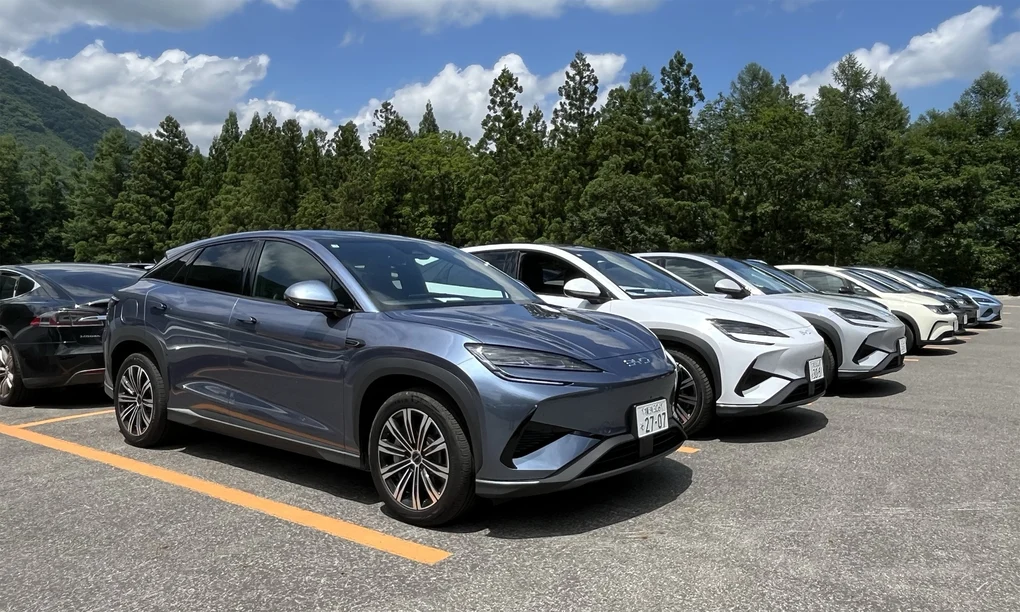
Despite the domestic slowdown, the Sealion 7 has recorded impressive export numbers. In June 2026 the model shipped 12,636 units abroad, contributing to BYD’s total monthly export volume of 174,897 vehicles. Across the entire Sealion family, global orders reached 47,624 units in the same month, taking the year‑to‑date export tally to 178,358 units.
Key markets include:
- Australia: 4,730 right‑hand‑drive units delivered in June, pushing total Australian deliveries past 25,000 since February 2025.
- Hong Kong: The model topped sales charts in 2025 with 5,680 units sold.
- South Africa: BYD recently introduced the Sealion 7 to meet rising demand for right‑hand‑drive EVs.
Pricing Advantage and Competitive Landscape
Exporting the Sealion 7 allows BYD to sidestep the intense price war raging in the Chinese EV market. While domestic rivals are slashing prices to stay competitive, BYD can maintain healthier margins abroad, leveraging the cost advantage of its Blade LFP technology.
Future Outlook
The move signals BYD’s confidence in its global growth trajectory. With the upcoming launch of the Sealion 08—expected to incorporate next‑generation battery tech—BYD is poised to expand its export portfolio further.
Analysts suggest that BYD’s export‑first strategy could reshape the competitive dynamics of the international electric‑SUV segment, especially in regions where infrastructure for large‑scale battery production is still developing.
Conclusion
By pulling the Sealion 7 off Chinese shelves and channeling it toward overseas markets, BYD is betting on stronger demand and higher margins abroad. The strategy not only boosts the company’s export figures but also positions the Chinese automaker as a serious contender in the global electric‑vehicle arena.