
Discover how Chinese electric vehicles are reshaping the auto industry and why Western manufacturers are racing to adapt. Read the full analysis today!
Chinese automakers are no longer just catching up – they are leading the charge in electric vehicles (EVs), battery tech, software, and even vehicle design. As the industry pivots from traditional engines to fully integrated mobility solutions, global car makers from the United States, Europe, and Japan find themselves scrambling to stay relevant.
China’s Edge in the New Automotive Era
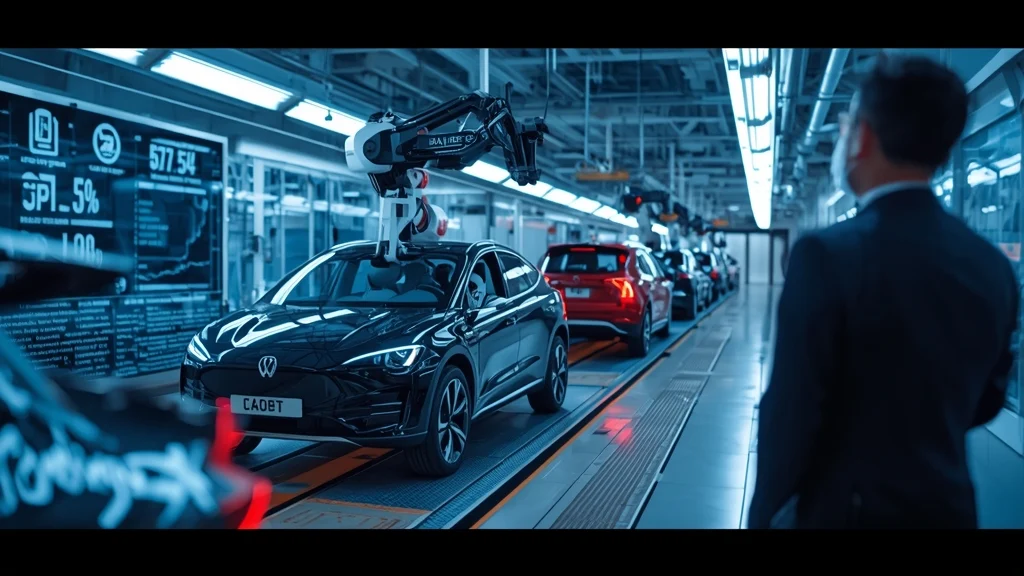
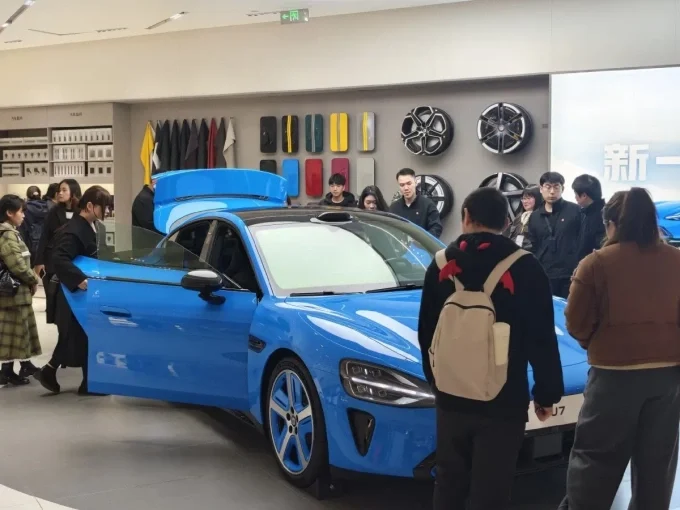
Visits to high‑tech factories in Beijing and Hefei during Auto China 2026 revealed a level of automation and software development speed that leaves many foreign brands trailing. A highly automated Shanghai plant can assemble a vehicle in under two minutes, while Chinese firms are rolling out new EV models every few months.
Beyond the Car: A Whole Supply‑Chain Advantage
According to the Rhodium Group, China now leads the world in exporting more than 315 product categories related to EVs – a jump from just 163 in 2016. From battery cells and electronic components to the machinery that builds the cars, the entire value chain is domestically sourced.
- Cheaper Production: The International Energy Agency estimates that a small‑size SUV built in China costs at least 30% less than its counterpart in developed economies, thanks to lower battery prices and a mature supply chain.
- Fast‑Charging Breakthroughs: BYD’s ultra‑fast charger can add 400 km of range in roughly five minutes – comparable to refuelling a gasoline car.
- Tech Giants Enter the Auto Space: Companies such as Xiaomi, Huawei, and Alibaba are applying consumer‑electronics expertise to cars, creating seamless ecosystems that link smartphones, home devices, and vehicles.
Western OEMs Feel the Pressure
Industry leaders are openly acknowledging the challenge. Honda’s CEO Toshihiro Mibe told Japanese media after touring a Shanghai plant, “I don’t see much room for competition.” Ford’s Jim Farley warned that Western automakers are “fighting for survival” as Chinese rivals expand globally.
Foreign brands that once relied on joint ventures for production are now forced to rethink their partnerships. The shift is not just about factories; it’s about accessing Chinese engineering talent and software platforms.
Real‑World Impact on Market Share
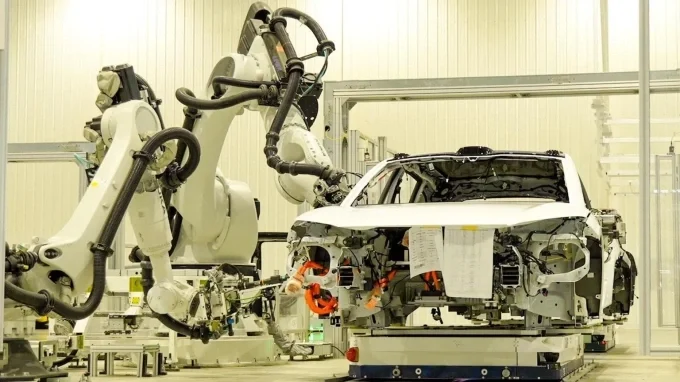
Automobility’s research shows foreign‑brand market share in China has dropped from 64% in 2020 to just 32% this year. This decline hurts giants like General Motors and German luxury manufacturers, whose profits have eroded as Chinese models capture premium segments.
Huawei’s Maextro S800, priced above $100,000, has become the best‑selling luxury EV in China, outpacing the Porsche Panamera and BMW 7‑Series.
How Global Players Are Responding
Rather than pulling out, many OEMs are deepening collaboration with Chinese firms:
- Stellantis + Dongfeng: A €1 billion deal to produce Peugeot and Jeep models in China for both domestic sales and export, with plans to bring Dongfeng’s Voyah EV brand to Europe.
- Volkswagen: Investing $700 million to tap XPeng’s software and autonomous‑driving platforms for its next generation of EVs.
- Toyota, Hyundai, Nissan, and Ford: Expanding R&D centers in China and considering production of China‑designed models at overseas plants.
Not every strategy succeeds. Audi had to slash prices on its China‑specific E5 model after demand fell short, and GM recorded a multi‑billion‑dollar asset write‑down tied to its Chinese operations.
China’s Global Ambitions
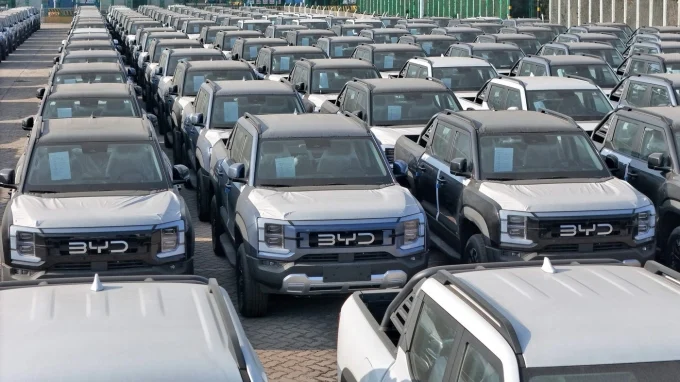
Even as China’s domestic auto market slows, Chinese manufacturers are accelerating overseas expansion. BYD, Chery, and SAIC are targeting Europe and emerging markets despite high tariffs – Chery’s Jaecoo 7 became a bestseller in the UK within 14 months of launch.
High duties in the United States (>100%) effectively block Chinese cars, but experts warn that tariff walls may only push Chinese firms to find new markets elsewhere.
What This Means for the Future of Mobility
As battery tech, software, and even robotics become core automotive competencies, the industry’s center of gravity is shifting toward China. Companies that embrace collaboration and invest in Chinese innovation are more likely to thrive, while those that try to isolate themselves risk falling behind.
“The biggest mistake is to think the transition is only about electric powertrains,” says analyst Bill Russo. “It’s about who will lead the next generation of mobility technology.”
Stay ahead of the curve by monitoring how Chinese EVs reshape global competition and by exploring partnership opportunities that leverage China’s rapid advancements.