
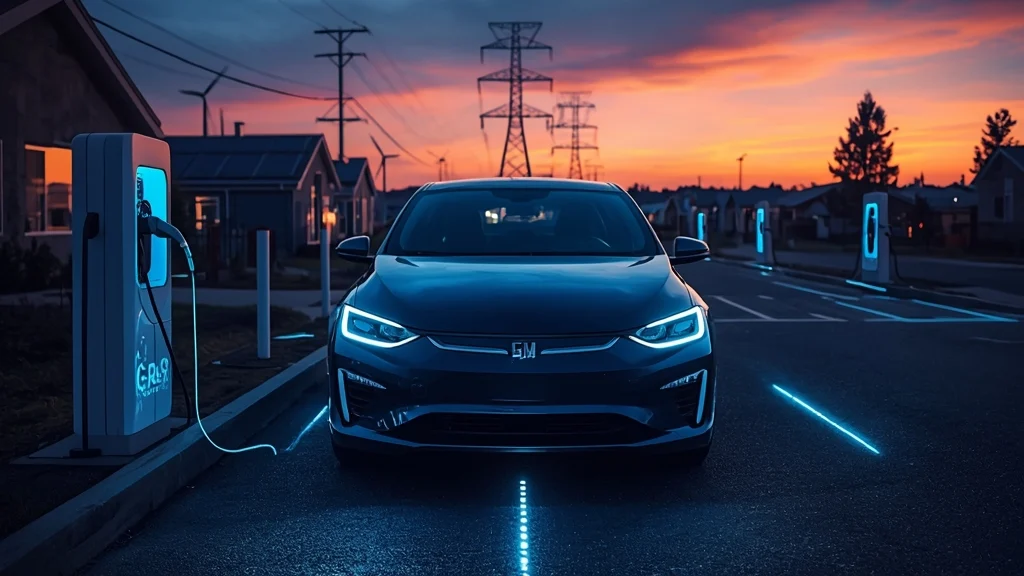
Discover how GM’s new software lets electric vehicle owners sell excess power to the U.S. grid, creating income and boosting renewable energy. Learn more!
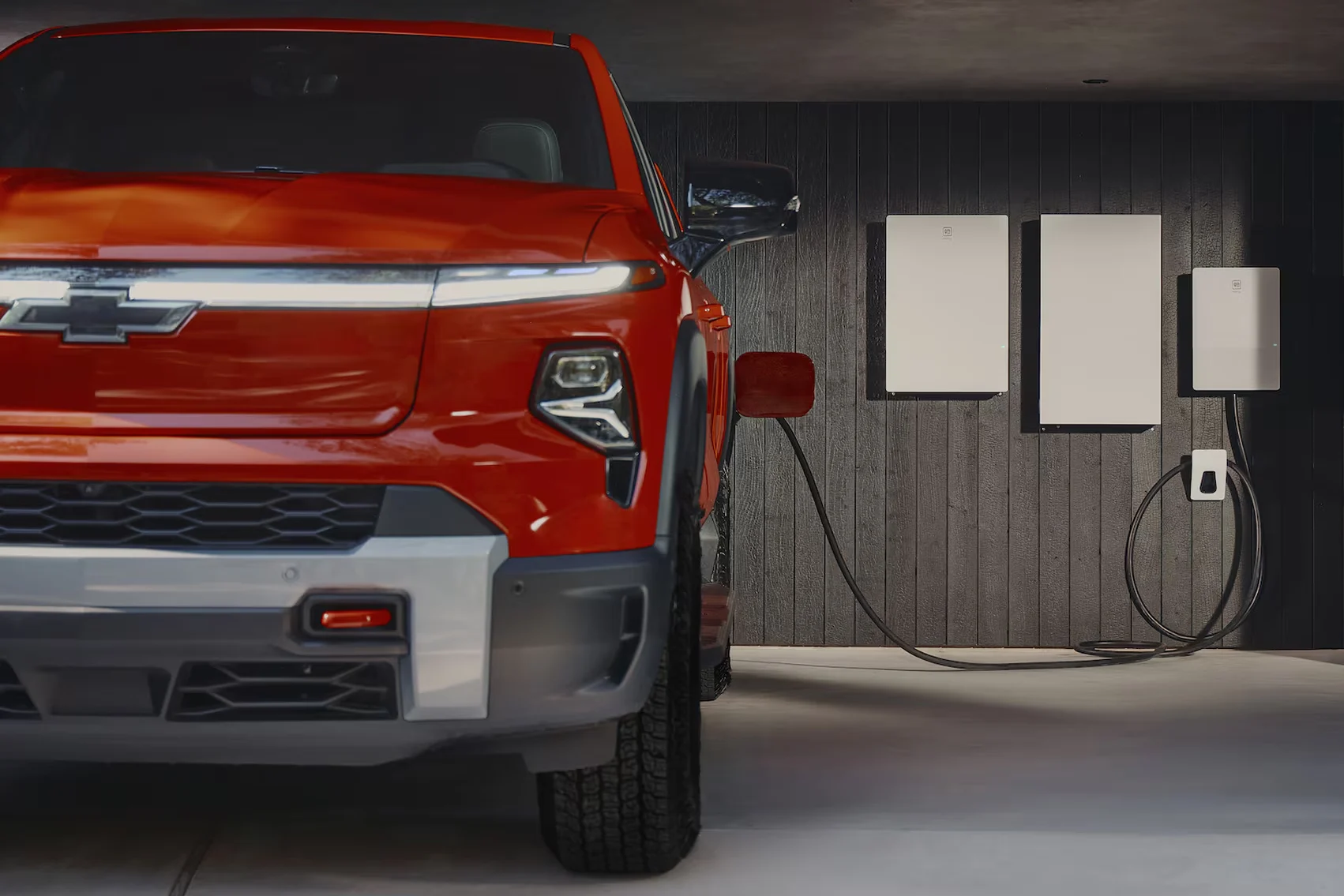
General Motors (GM) has rolled out a fresh software update that expands the capabilities of its electric‑vehicle platform. While the earlier vehicle‑to‑home (V2H) feature let drivers power their houses during outages, the new version adds a vehicle‑to‑grid (V2G) function, enabling owners to sell surplus electricity back to the national grid.
How the V2G Feature Works
With V2G, an EV’s battery becomes a two‑way energy source. When demand on the grid spikes—such as during a heat wave or a sudden drop in renewable output—drivers can feed excess charge from their car into the utility network. In return, GM receives a small commission on each transaction, while the vehicle owner earns a credit on their electricity bill.
Potential Benefits and Challenges
The concept promises several advantages:
- Grid balancing: Distributed storage from millions of EVs can smooth out peaks and valleys in electricity demand.
- Renewable integration: Excess solar or wind power stored in cars can be dispatched when the sun isn’t shining or the wind isn’t blowing.
- Extra income for drivers: Owners can monetize idle battery capacity, turning their cars into mobile backup batteries.
However, adoption may be slower than hoped. Many EV owners prioritize keeping a high state‑of‑charge for daily travel rather than exporting power. Additionally, the V2G model is still in a testing phase, and only a handful of U.S. utilities currently have the infrastructure to accept electricity from vehicles.
GM’s Roadmap and Partnerships
Speaking to Reuters at an event in San Francisco, Aseem Kapur, GM Energy’s revenue director, said the automaker is in talks with roughly ten utility companies to scale the technology. He expects the first commercial roll‑outs to begin within the next few months, focusing initially on California and Texas—states with aggressive clean‑energy targets and sizable EV markets.
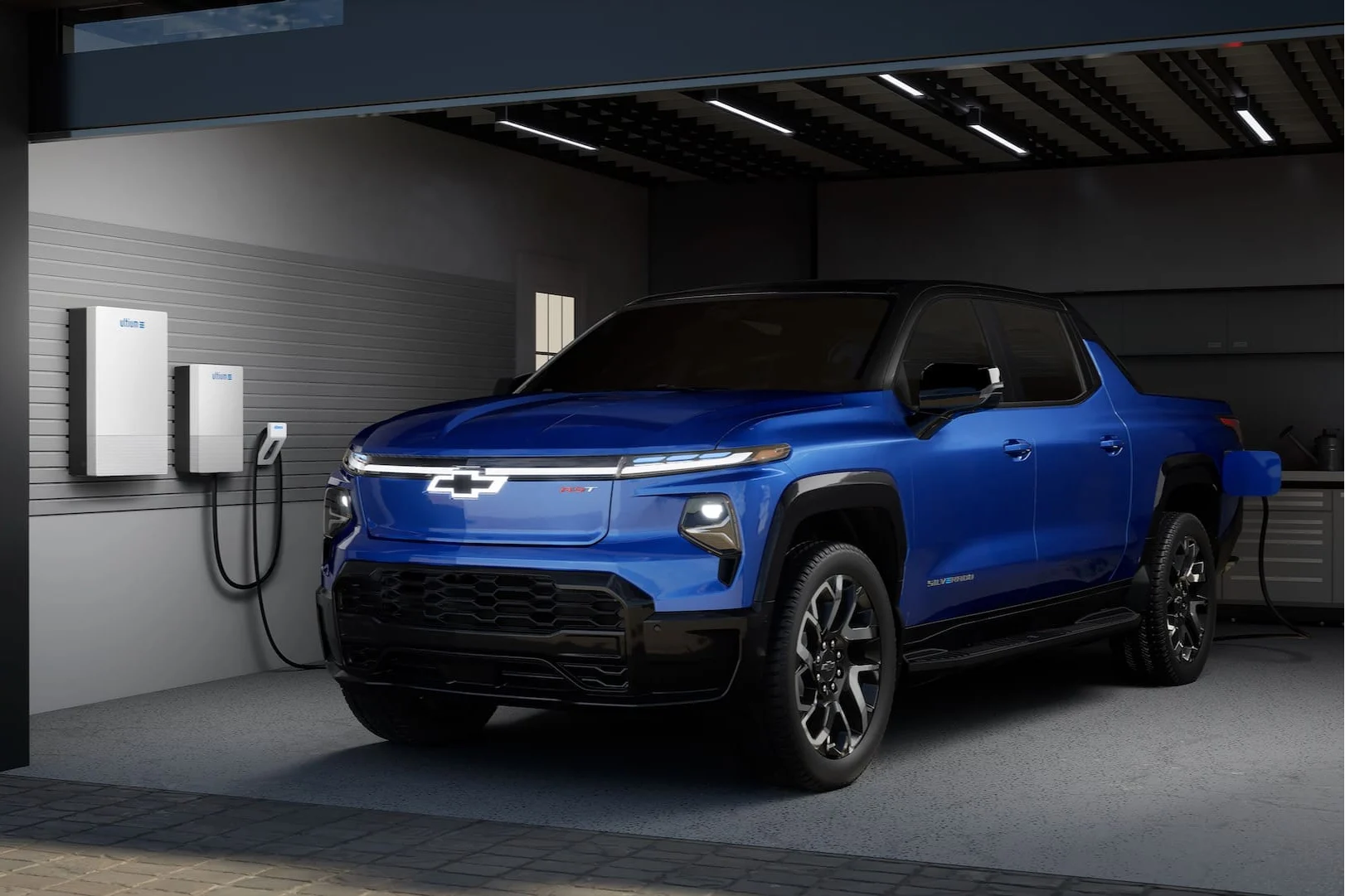
In Michigan, GM is piloting a V2G program with DTE Energy, involving 30 of the company’s employees as test participants. The pilot will evaluate technical performance, compensation structures, and user experience.
Industry Context
GM’s move mirrors a broader shift among automakers. Ford has announced similar plans to leverage its electric fleet for grid services, while Tesla has long been a pioneer in integrating energy storage and generation through its Powerwall and Solar offerings. As manufacturers look beyond vehicle sales to become energy service providers, V2G could become a key revenue stream.
Looking Ahead
If V2G achieves widespread adoption, millions of EVs could act as “mobile backup batteries” for the power grid, delivering resilience during outages and creating a new source of earnings for drivers. For GM and its rivals, the technology represents both an opportunity to support the renewable transition and a chance to open a fresh business model in the rapidly evolving automotive landscape.