
Discover why GM may drop LFP batteries in favor of high‑energy LMR cells for its next‑gen electric cars. Read the full analysis now!
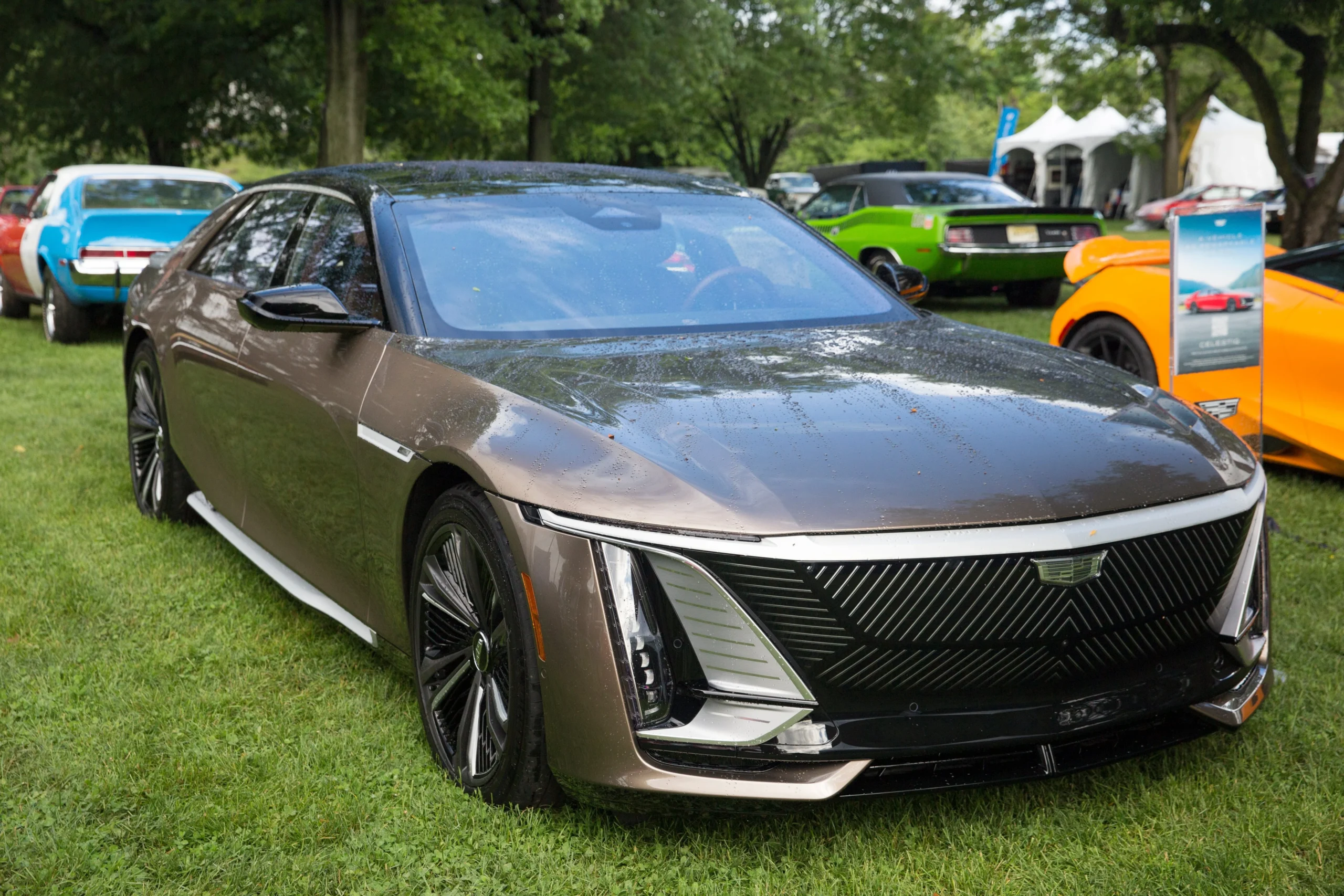
General Motors (GM) is reportedly reconsidering its plan to use lithium‑iron‑phosphate (LFP) batteries in upcoming electric‑vehicle (EV) models. Instead, the automaker wants to double‑down on a newer lithium‑manganese‑rich (LMR) cell that promises comparable costs but higher energy density.

What the executives said
At a recent event in San Francisco, Kurt Kelty, GM’s head of battery technology, told Reuters that the company is prioritising LMR development. “We see a path to produce LMR cells in the United States at a cost similar to LFP, while delivering a clear boost in range,” Kelty explained.
Shift in production plans
GM had earlier announced that a joint‑venture plant in Tennessee would start churning out LFP cells for EVs by the end of 2027. Kelty clarified that the facility will now focus on LFP modules for stationary energy‑storage applications, not for vehicle powertrains.
Why LMR matters
- Higher energy density than LFP, allowing longer driving ranges.
- Reduced reliance on critical minerals such as cobalt.
- Potentially similar manufacturing costs when produced domestically.
However, analysts at S&P Global warn that LMR technology still faces technical hurdles, including capacity fade over time. Commercial rollout may therefore take several more years.
Industry landscape
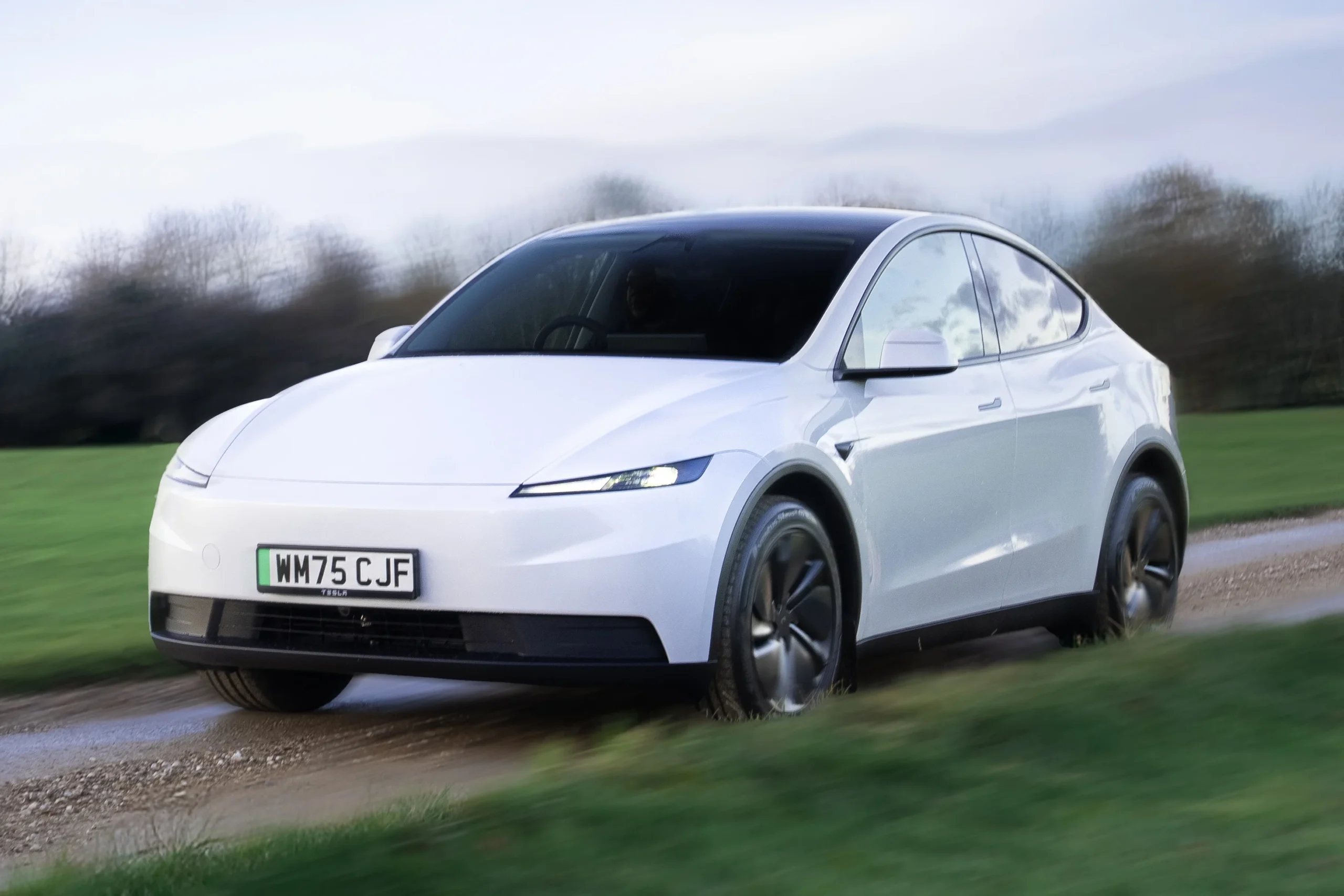
GM would be among the few Western automakers to move away from LFP. Chinese manufacturers have embraced LFP to keep EV prices low, while many U.S. and European brands continue to rely on nickel‑rich chemistries that deliver higher performance but at a premium.
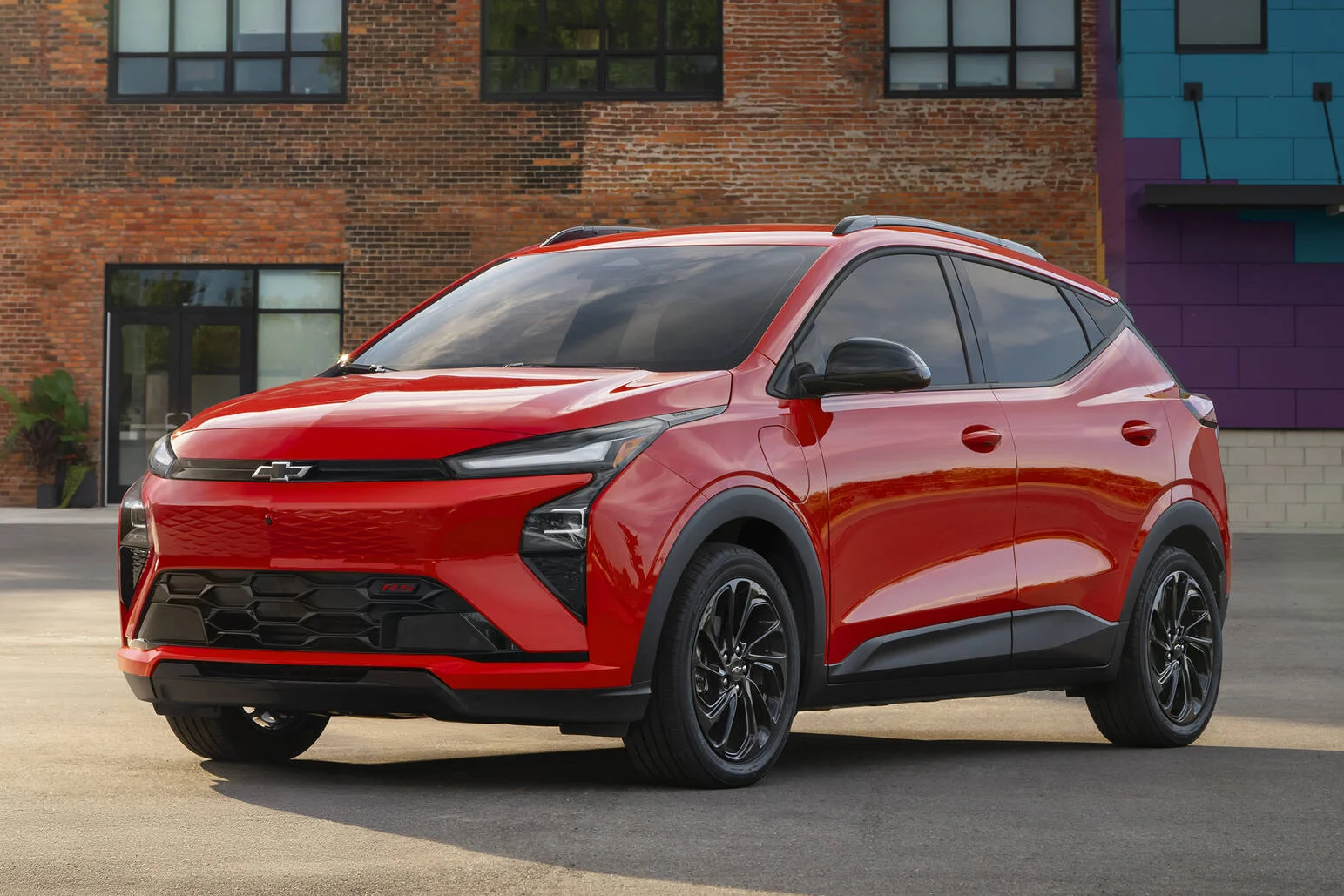
Even as U.S. EV demand slows, rivals such as Tesla, Rivian and Ford have added LFP‑based models to broaden market reach and cut costs. GM’s current EV lineup—more than a dozen models sold in the United States—uses primarily nickel‑rich batteries, except for the latest Chevrolet Bolt, which sources LFP cells from China’s CATL.
Future timeline
Last year, GM set a target to begin commercial LMR production at a U.S. site by 2028. While the exact schedule remains fluid, Kelty affirmed that the program is “on track.” If the shift away from LFP becomes official, GM could reshape its battery strategy and influence the broader EV market.
Stay tuned as GM’s battery roadmap evolves and the industry watches how LMR technology competes with established chemistries.