
Congress proposes a $130 yearly fee for electric cars to fund road repairs, higher rates for plug‑in hybrids and new autonomous‑vehicle rules. Read more!
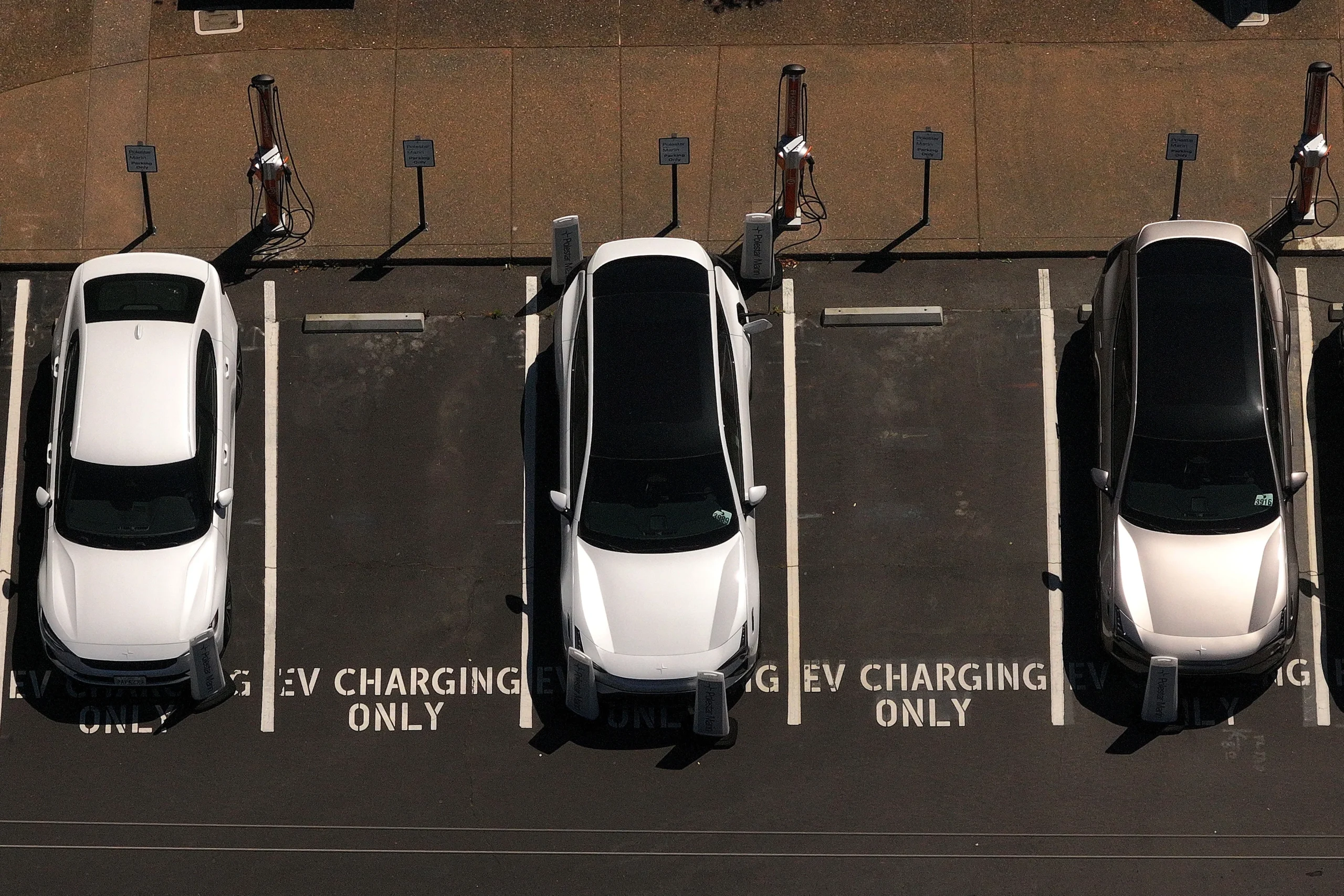
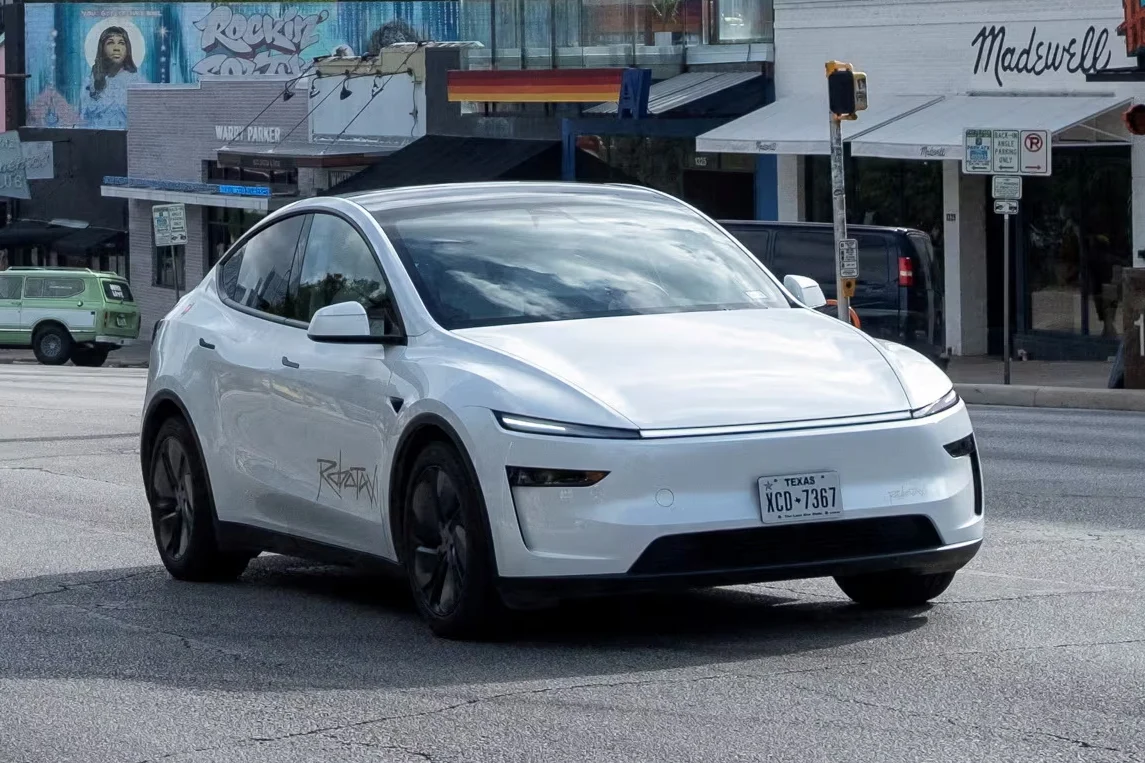
U.S. lawmakers in the House of Representatives have introduced a bill that would require owners of pure‑electric vehicles (BEVs) to pay an annual fee of $130. The revenue is intended to plug a growing shortfall in the federal Highway Trust Fund, which traditionally relies on gasoline and diesel taxes.
Why a New Fee Is Needed
Nearly three‑quarters of the Highway Trust Fund’s income comes from fuel taxes. As electric cars become more common, they contribute little to that pool, even though they still use the same roads and bridges. The proposed fee aims to level the playing field and ensure that all motorists help maintain the nation’s infrastructure.
Proposed Fee Structure
The bill sets a base fee of $130 per year for battery‑electric vehicles. Starting in 2029, the fee would rise by $5 annually until it reaches $150. Plug‑in hybrid electric vehicles (PHEVs) would face a lower charge of $35 per year, climbing gradually to $50.
State‑Level Fees and Earlier Federal Proposals
Several states have already implemented their own electric‑vehicle surcharges, ranging from $50 to $200 annually, to offset declining fuel‑tax revenues. In February 2025, a group of Republican senators floated a much higher $1,000 federal tax on EVs, but the idea never moved forward.
New Rules for Autonomous Commercial Vehicles
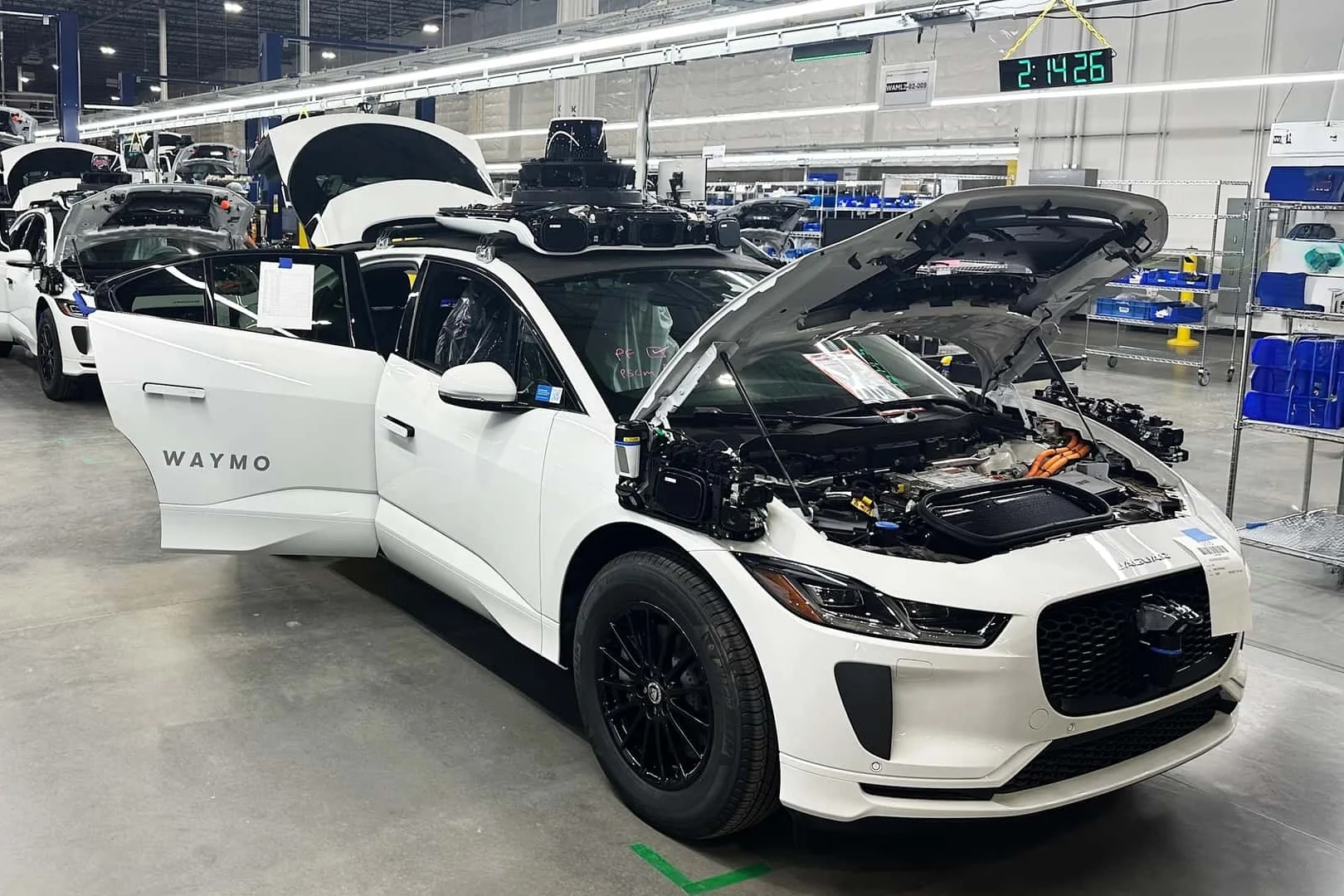
Beyond the fee, the legislation directs the Department of Transportation to establish safety‑performance standards for self‑driving commercial vehicles—buses, trucks, and other fleet‑type rigs—within two years. These federal standards would supersede existing state rules and would not apply to private passenger cars. Notably, driver‑less school buses transporting young children would still be required to have a human operator on board.
Funding Gaps and Political Outlook
Since 2008, more than $275 billion has been transferred from the general federal budget to cover Highway Trust Fund deficits, including $118 billion from the 2021 Infrastructure Investment and Jobs Act. With the current funding deadline of September 30 looming, analysts warn that reaching a long‑term financing agreement could be challenging, especially after the upcoming November 2026 congressional elections.
The bill now heads to the House Committee on Transportation and Infrastructure, where it enjoys bipartisan co‑sponsorship from Republican Chairman Sam Graves and Democrat Rick Larsen. Its fate will depend on how lawmakers balance infrastructure needs with the growing push for cleaner transportation.