
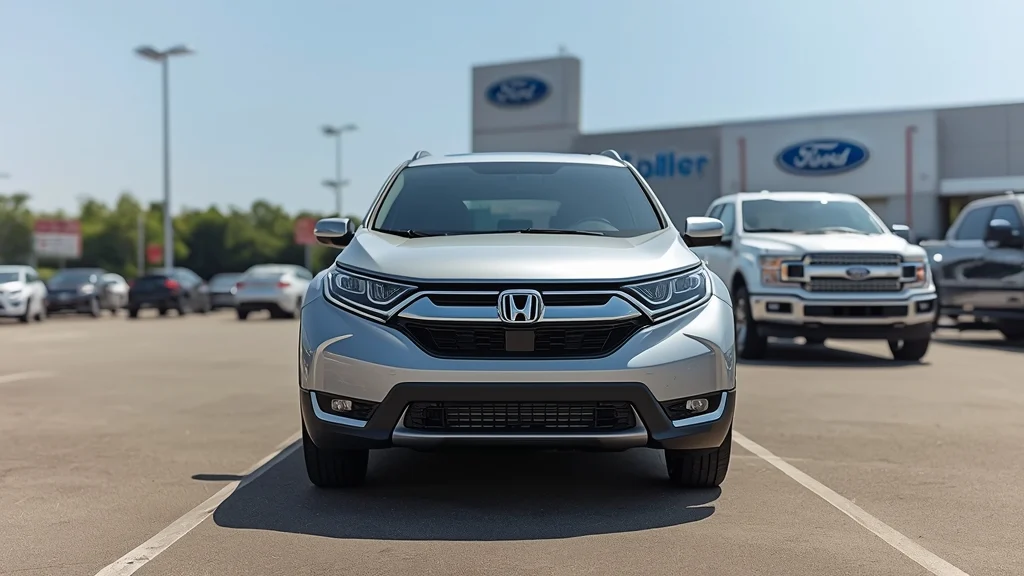
Discover how the Honda CR-V topped the Ford F-150 in US sales during the first half of 2026 and what it means for the auto market. Read more now!
Overall Sales Landscape
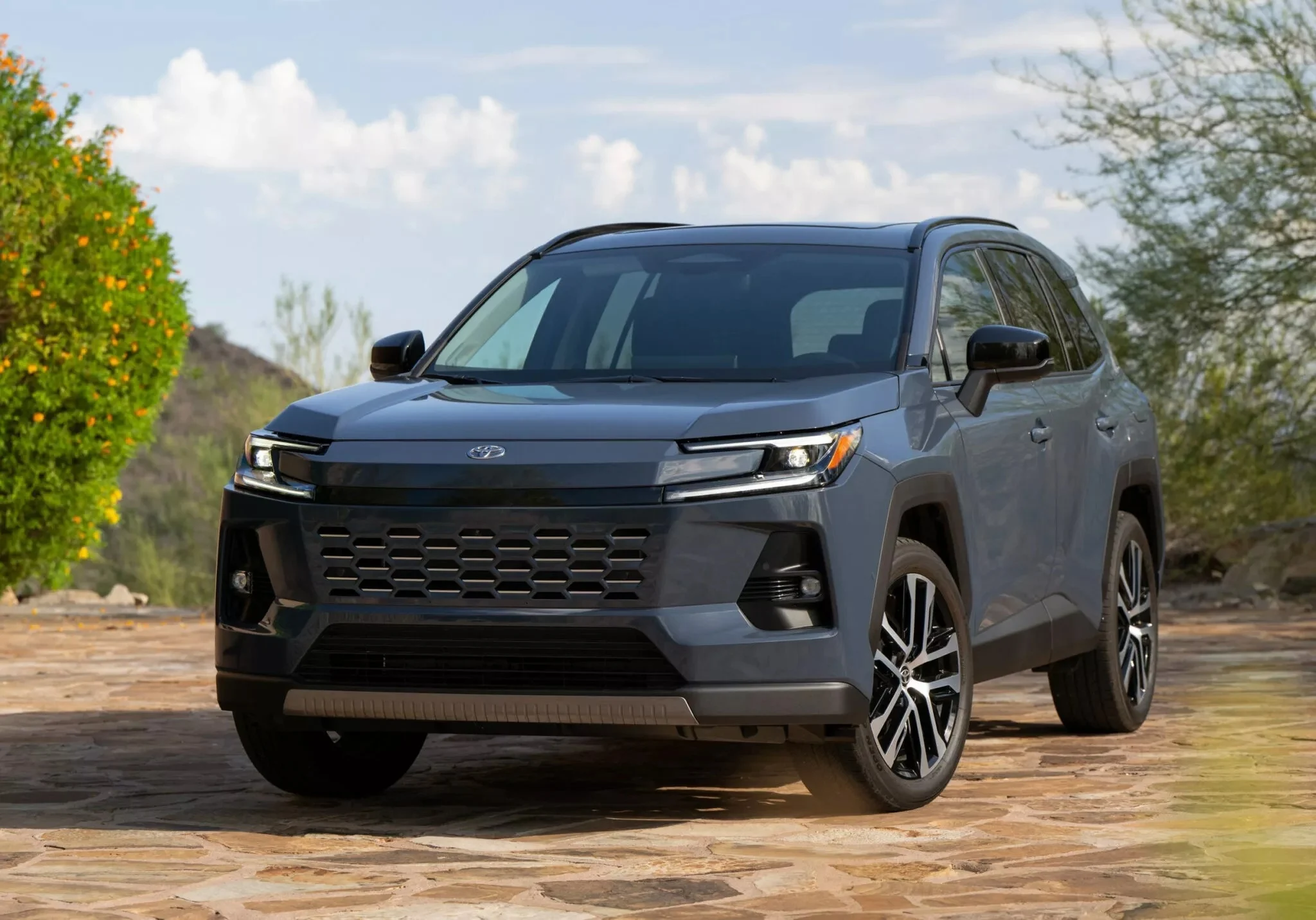
For more than a decade the Ford F-150 has reigned as America’s best‑selling vehicle. Yet in the first six months of 2026 the Japanese‑made Honda CR‑V briefly claimed the top spot, moving 226,114 units across the United States. That edge put it ahead of the F‑150’s estimated 209,311 deliveries and far above the Toyota RAV4’s 153,955 units for the same period.
Only once in the past 16 years has another model—Toyota’s RAV4—managed to outpace the F‑150, making the CR‑V’s surge a noteworthy blip in a long‑standing trend.
Why the CR‑V Took the Lead
The CR‑V’s advantage was not solely about raw demand. Competitors faced production headwinds that trimmed their supply, while Honda capitalised on a strong hybrid lineup and a robust rental‑to‑sale pipeline.
- Hybrid versions accounted for 56% of CR‑V sales in H1 2026, reflecting growing consumer appetite for fuel‑efficient SUVs.
- Approximately 75% of renters chose to extend their leases on the CR‑V, feeding dealer inventories and boosting total volume.
- Sales momentum accelerated dramatically, with a 19% jump in May and a 30% surge in June compared with the same months a year earlier.
Despite inventory levels that covered only about 15 days of demand, Honda kept its production lines running at full capacity to satisfy eager buyers.
Production Challenges for Rivals
Both Ford and Toyota encountered setbacks that limited their output:
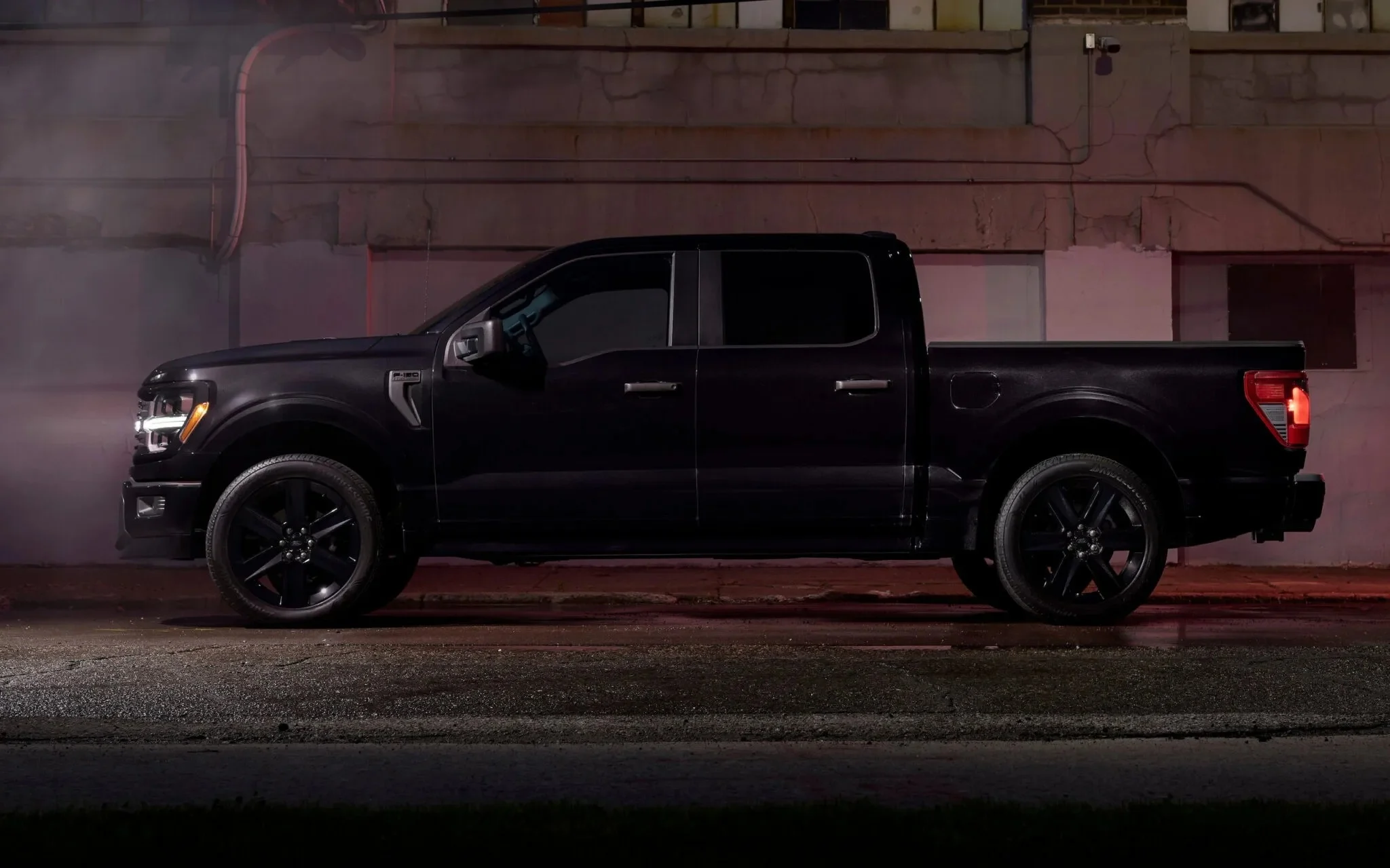
- Ford F‑150: A fire at an aluminum‑casting plant in late 2025 forced the company to curtail truck production for several months, leaving dealers with thin stocks throughout the first half of 2026.
- Toyota RAV4: A major plant transition caused a 36% dip in RAV4 deliveries during H1, as the new facility struggled to ramp up to full capacity.
These disruptions created a temporary supply gap that the CR‑V was well positioned to fill.
Hybrid and Rental Demand Boost CR‑V
The hybrid powertrain’s popularity is a key driver of the CR‑V’s success. With more than half of its sales coming from the electric‑assist models, Honda is tapping into a market segment that is expanding faster than the overall SUV segment.
Rental fleets, too, have embraced the CR‑V for its reliability and fuel economy. The high renewal rate among lessees translates into repeat purchases and strengthens dealer confidence.
Looking Ahead
Ford has already announced steps to restore full F‑150 production, and Toyota expects the new RAV4 plant to reach its design output by the end of 2026. If those plans materialise, the competition for the overall US vehicle crown will likely intensify in the second half of the year.
For now, the Honda CR‑V’s brief reign highlights how a blend of hybrid technology, strong rental demand, and rival supply constraints can reshape the American automotive hierarchy—even if only for a few months.