
Hyundai plans to add 1.2M vehicles annually by 2030, launches 36 new models in North America, and invests in AI and self‑driving tech. Read more now!
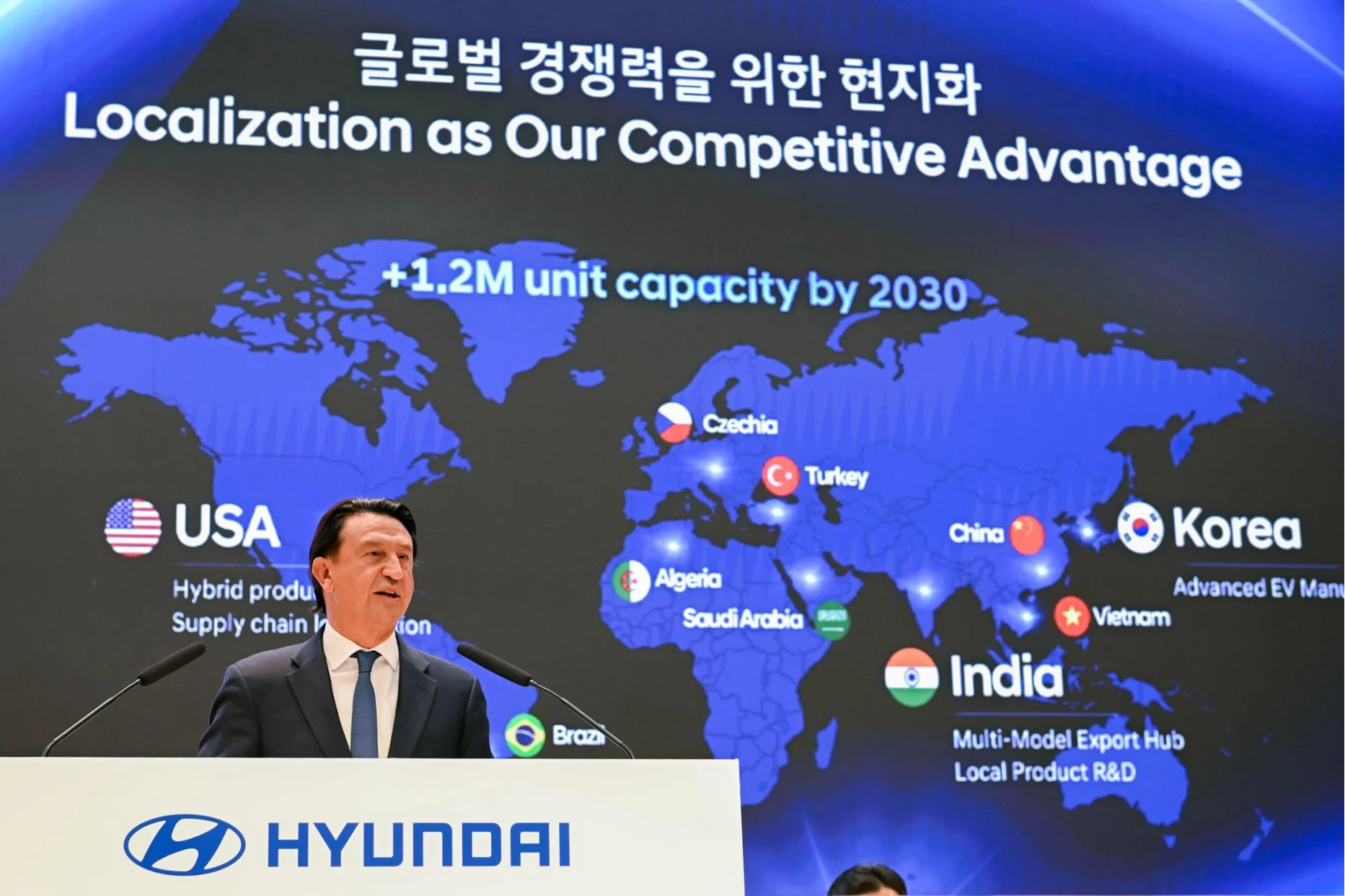
At its annual shareholders’ meeting, Hyundai Motor Group Chief Executive Jose Munoz announced an ambitious plan to lift global output by an additional 1.2 million vehicles per year by 2030. The boost will come from accelerated localisation strategies across key regions, paired with heavy investment in artificial intelligence (AI) and autonomous‑driving technologies.
Why North America Matters
Hyundai identified North America as its most vital market, accounting for the largest share of its global export revenue. To cement its position, the Korean automaker will launch 36 new models on the continent, ranging from electrified sedans to a groundbreaking mid‑size pickup slated for release before 2030.
Electrified Range‑Extended Vehicles (EREV)
Starting in 2027, Hyundai will introduce a new line of range‑extended electric vehicles (EREV) capable of travelling up to 965 km on a single charge. These models combine high‑efficiency batteries and electric motors with a gasoline engine that functions solely as a generator, delivering longer distances without compromising zero‑emission driving.
Expansion Plans Across the Globe
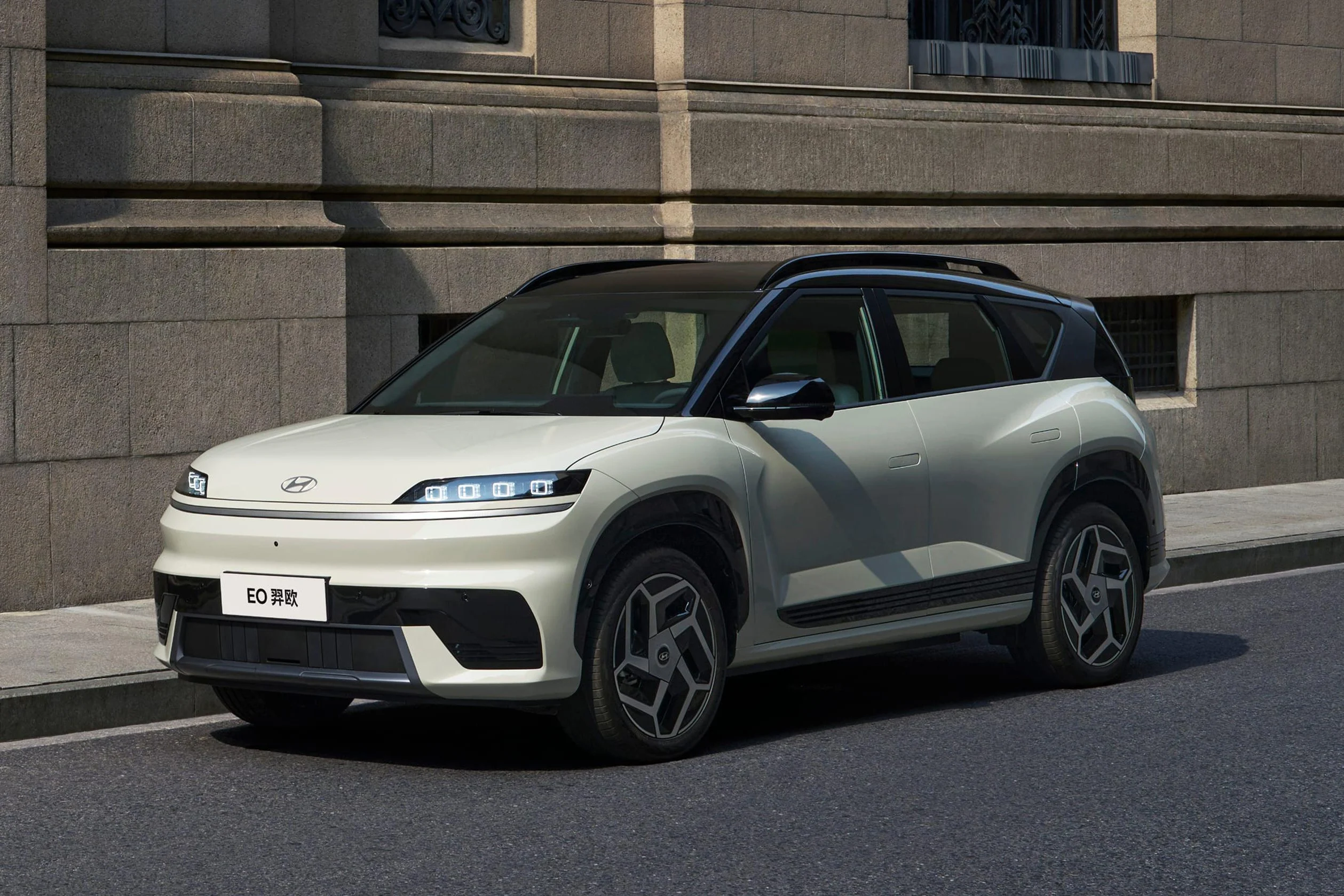
- China: 20 new models over the next five years, including the debut of the all‑electric Elexio SUV and a pure‑electric C‑segment sedan. Hyundai aims to hit 500,000 units annually in China – more than double its current volume.
- India: $5 billion investment to develop 26 new models by 2030, highlighted by the country’s first locally designed and built electric SUV (launching 2027). The premium Genesis brand will also enter the market that same year.
- Saudi Arabia & Vietnam: New production facilities will complement existing plants, allowing Hyundai to assemble more models closer to where customers live.
AI and Autonomous Driving at the Core
Hyundai is deepening its partnership ecosystem to become a leader in next‑generation mobility. Key collaborations include:
- Strategic AI partnership with Nvidia, targeting high‑performance computing for vehicle perception.
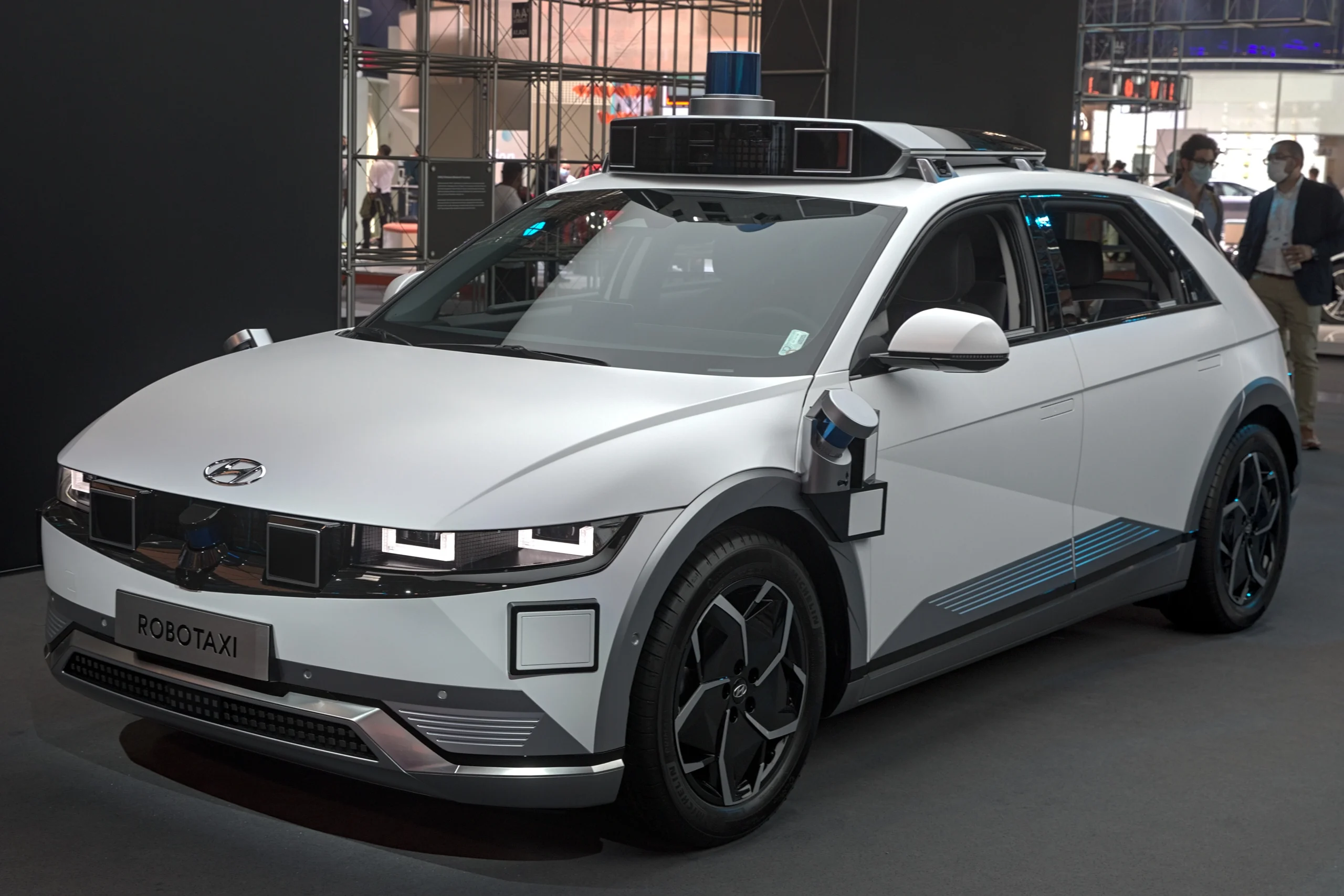
- Investments in startups such as 42dot and Motional to accelerate self‑driving software development.
- A joint venture with Waymo to test autonomous ride‑hailing services.
- Construction of a dedicated AI data centre in South Korea, designed to process massive sensor datasets for real‑time driving decisions.
“We are pursuing multidimensional collaborations to lead the most critical technology race of our era,” Munoz emphasized.
Looking Ahead
With a clear focus on localisation, a pipeline of 36 North American launches, and a technology stack built around AI and autonomy, Hyundai aims to reshape its brand identity for the electric and digital age. The company’s bold production target—adding 1.2 million vehicles annually by 2030—turns current trade uncertainties into a long‑term structural advantage.
Stay tuned as Hyundai rolls out new models and pioneering technologies that could redefine mobility worldwide.