
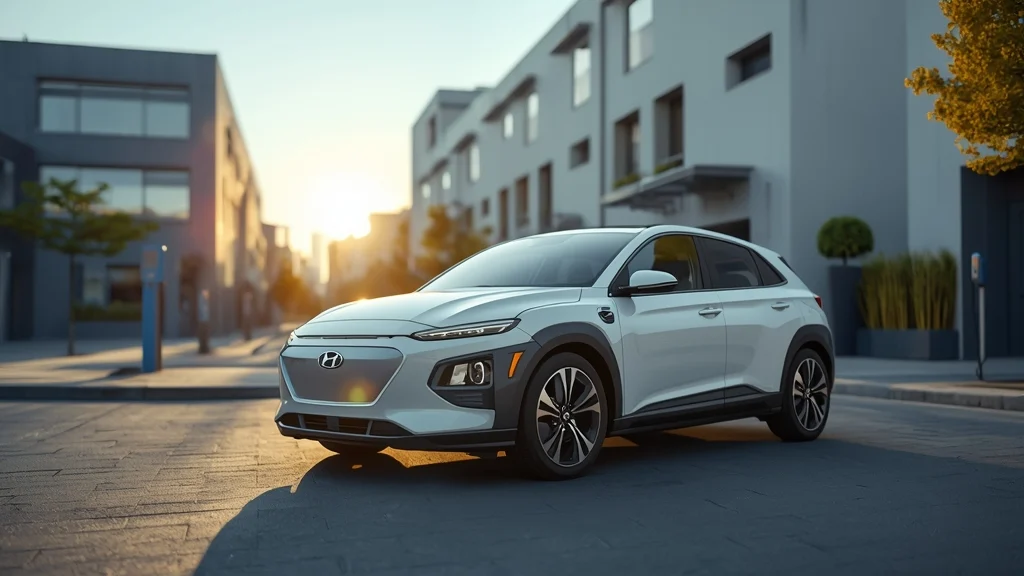
Meet the Hyundai Ioniq 3, a stylish compact EV with up to 495 km range. Explore specs, design, and launch details. Read more!
Hyundai is expanding its electric vehicle lineup with the introduction of the Ioniq 3, a compact electric hatchback designed to bring the brand’s futuristic vision to a smaller, more accessible segment. Initially targeting the European market, the Ioniq 3 represents a strategic move by the South Korean automaker to dominate the urban EV space.
Positioning Within the Ioniq Family
The Ioniq 3 is positioned as the “youngest sibling” in the Ioniq family, sitting below the established Ioniq 5, Ioniq 6, and the flagship Ioniq 9. While it is a compact model, it is not the smallest EV in Hyundai’s stable—that title remains with the Inster. In terms of scale, the Ioniq 3 bridges the gap between the Inster and the Kona Electric, acting essentially as a scaled-down version of the acclaimed Ioniq 5.
Sleek, Aerodynamic Design
True to the Ioniq philosophy, the Ioniq 3 emphasizes efficiency and modern aesthetics. Hyundai describes the model as a highly aerodynamic hatchback, featuring a low-profile front end, a steeply raked windshield, and elongated window lines. To enhance its sporty appeal, the car features contrast-colored wheel arches and aggressive front and rear bumpers.
These design choices aren’t just for show; the Ioniq 3 boasts an impressive drag coefficient of 0.263, ensuring maximum efficiency and reduced wind noise at higher speeds.
Performance and Battery Options
Built on Hyundai’s advanced E-GMP 400V platform, the Ioniq 3 will be available in two distinct configurations to suit different driving needs:
- Standard Range: Equipped with a 42.2 kWh battery, this version delivers 147 hp and a driving range of 342 km. It hits 0-100 km/h in 9.6 seconds.
- Long Range: Featuring a larger 61 kWh battery, this variant extends the range to 495 km. While it has a slightly lower output of 135 hp, it achieves a 0-100 km/h sprint in approximately 9 seconds.
Both configurations share a robust torque of 250 Nm and a competitive top speed of 220 km/h, making the Ioniq 3 a capable performer for both city commutes and highway journeys.
Cutting-Edge Interior and Technology
Inside, the Ioniq 3 debuts the Pleos Connect infotainment system in Europe. Powered by Android Automotive, the system is centered around a massive display—available in either 12.9-inch or 14.6-inch sizes, depending on the trim (including the sporty N Line).
Notably, Hyundai has maintained a balance between digital innovation and tactile convenience. Below the main screen, a dedicated row of physical buttons allows drivers to easily adjust seat heating, temperature, fan speed, and HVAC settings, alongside a physical volume knob for the premium Bose sound system.
Market Competition and Availability
The Ioniq 3 enters a crowded and exciting segment. It is set to compete with several emerging rivals, including the Renault 5 E-Tech, BYD Dolphin, MG3 EV, and the upcoming Volkswagen ID. Polo. It also shares its underlying platform with the Kia EV2, promising a high standard of efficiency and space utilization (featuring a wheelbase of 2,680 mm, similar to the Hyundai Elantra).
The Hyundai Ioniq 3 is scheduled for release in late 2026 and will be produced at Hyundai’s manufacturing facility in Turkey.