
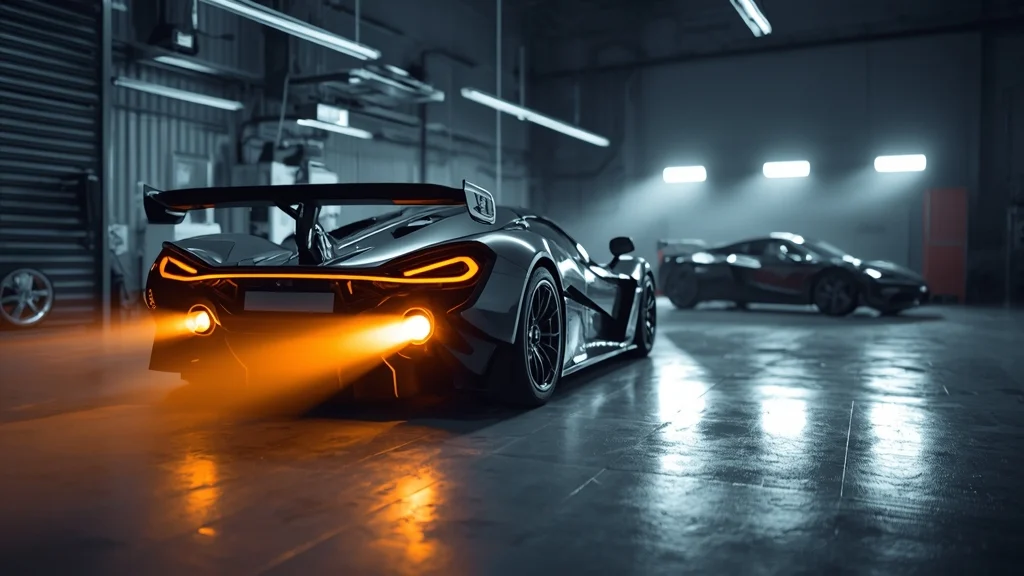
Koenigsegg CEO Christian von Koenigsegg explains why the internal combustion engine still defines hypercar thrills, despite the electric surge. Learn more now!
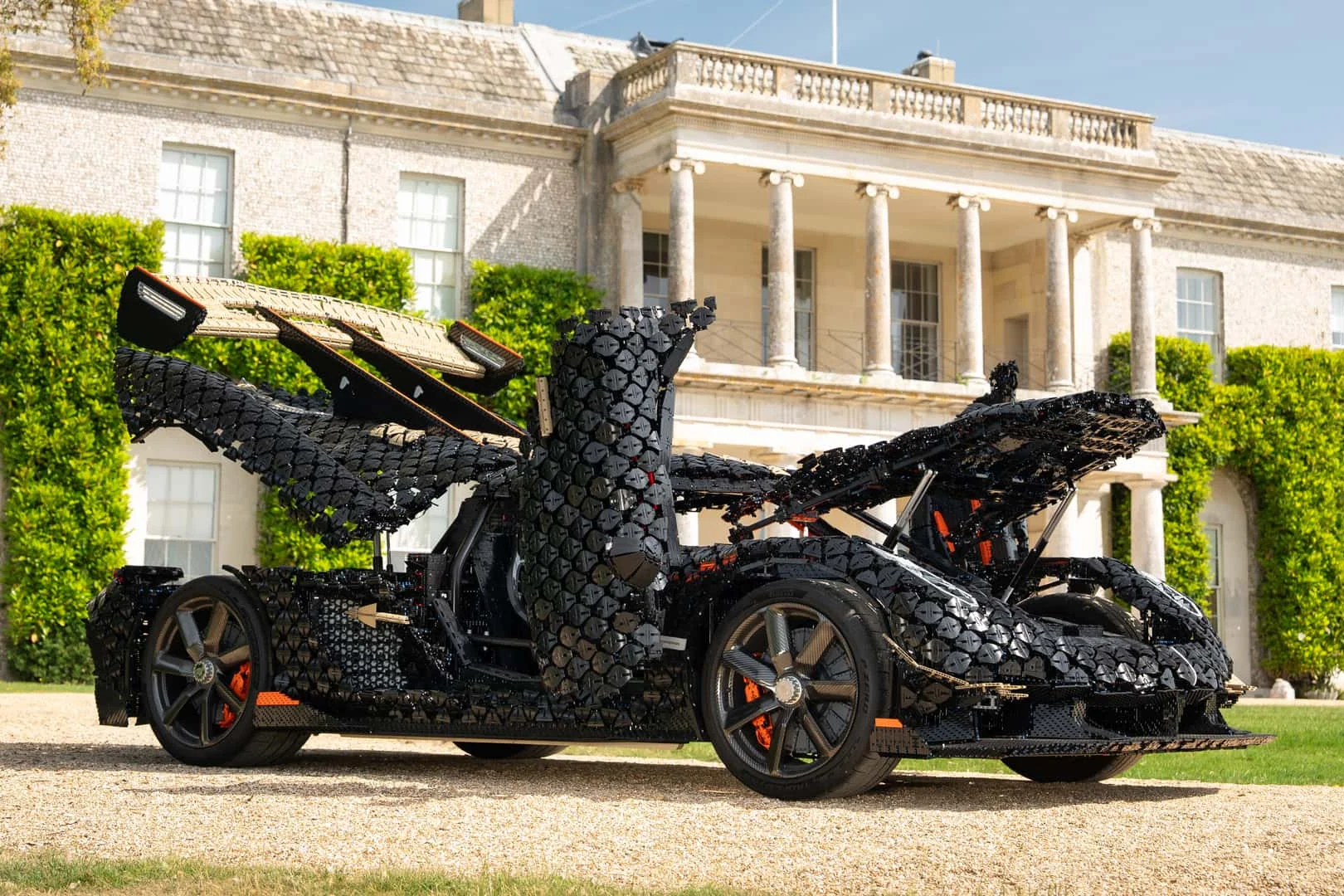
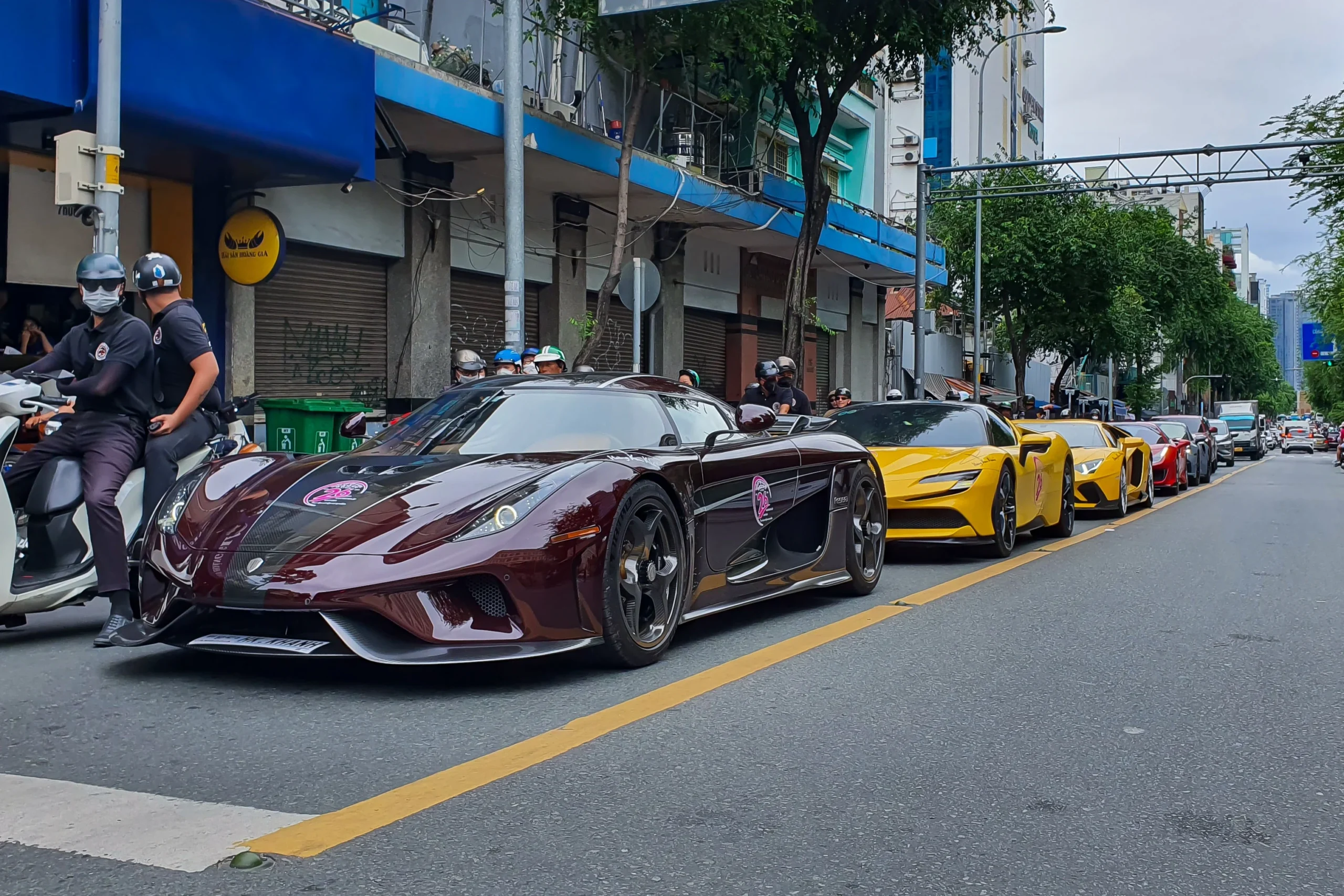
During a recent visit to Königsegg’s Ängelholm factory in Sweden, the Swedish hypercar maker unveiled a new Lego‑inspired concept and, more importantly, gave CEO Christian von Königsegg a platform to discuss the brand’s stance on the fast‑approaching electrification of the supercar segment.
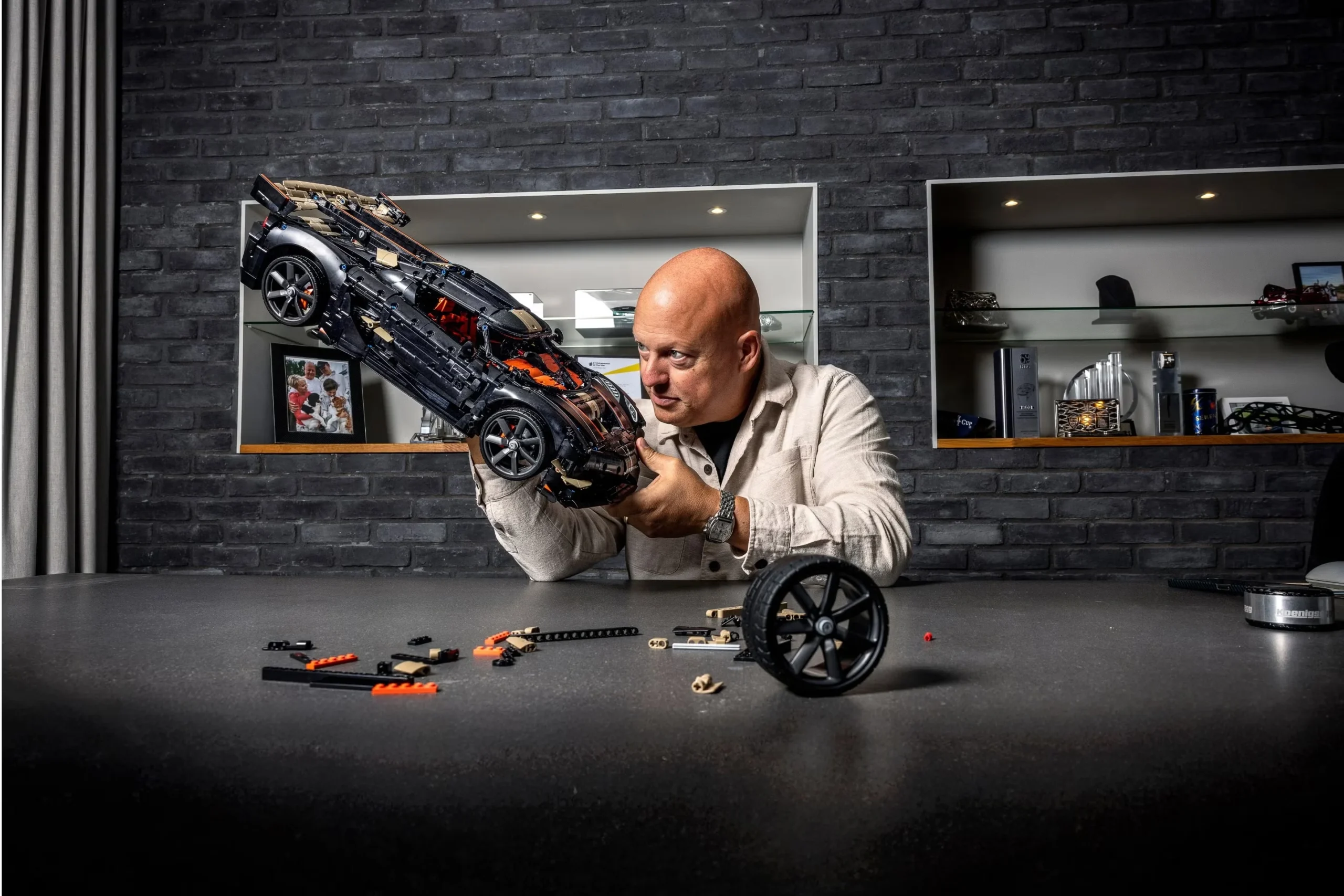
Electric Dreams vs. Mechanical Passion
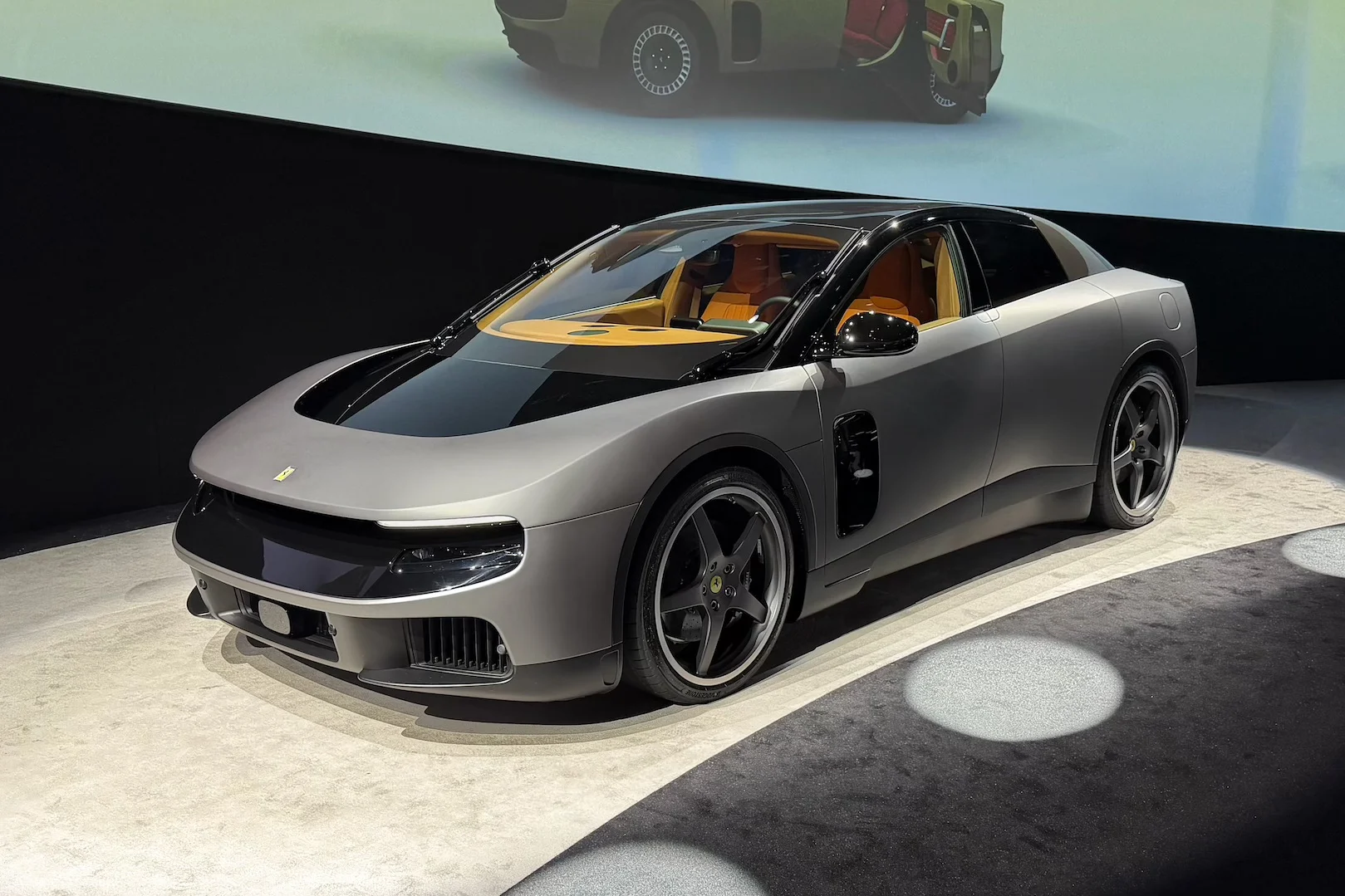
Brands such as Ferrari have already launched their first fully electric models, and many others are openly debating a zero‑emission future. Yet Königsegg’s road‑ready hypercars still rely on high‑revving internal‑combustion engines (ICE) or cleverly engineered hybrid systems. The question on everyone’s mind is why the company seems reluctant to go all‑electric.
Königsegg’s Philosophy
Von Königsegg stresses that the decision is not about a lack of technical capability. “We could build a pure‑electric hypercar tomorrow if we wanted to,” he says. “The choice is about staying true to the brand’s DNA – creating machines that deliver an unmistakable emotional experience.”
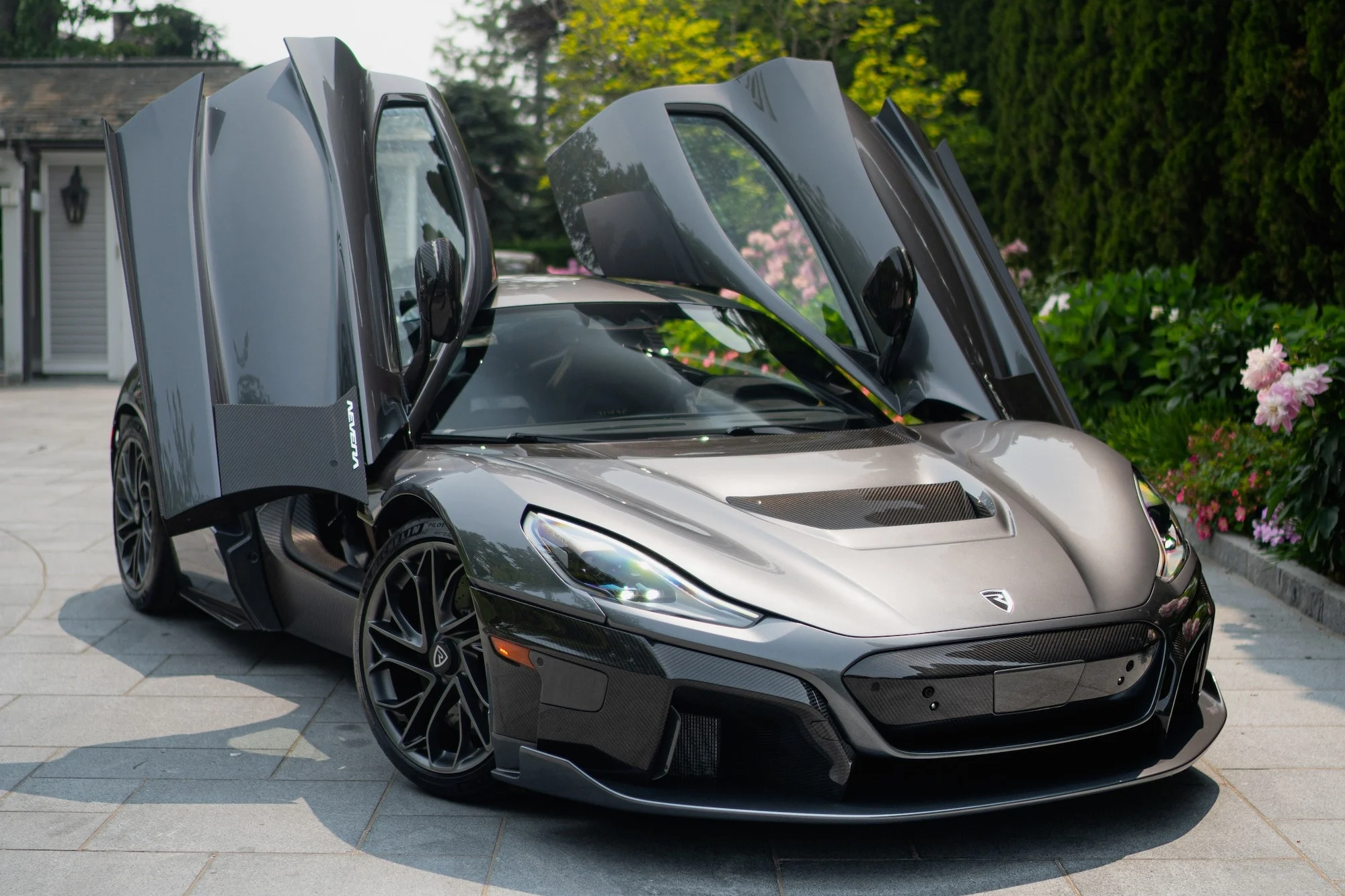
About a decade ago, he even imagined a 2026 Königsegg electric model. Back then, the electric car was viewed as an inevitable step for high‑performance vehicles, similar to the rest of the automotive industry. Over time, his perspective shifted when he realized that a hypercar is more than a speed machine; it is a living, breathing entity.
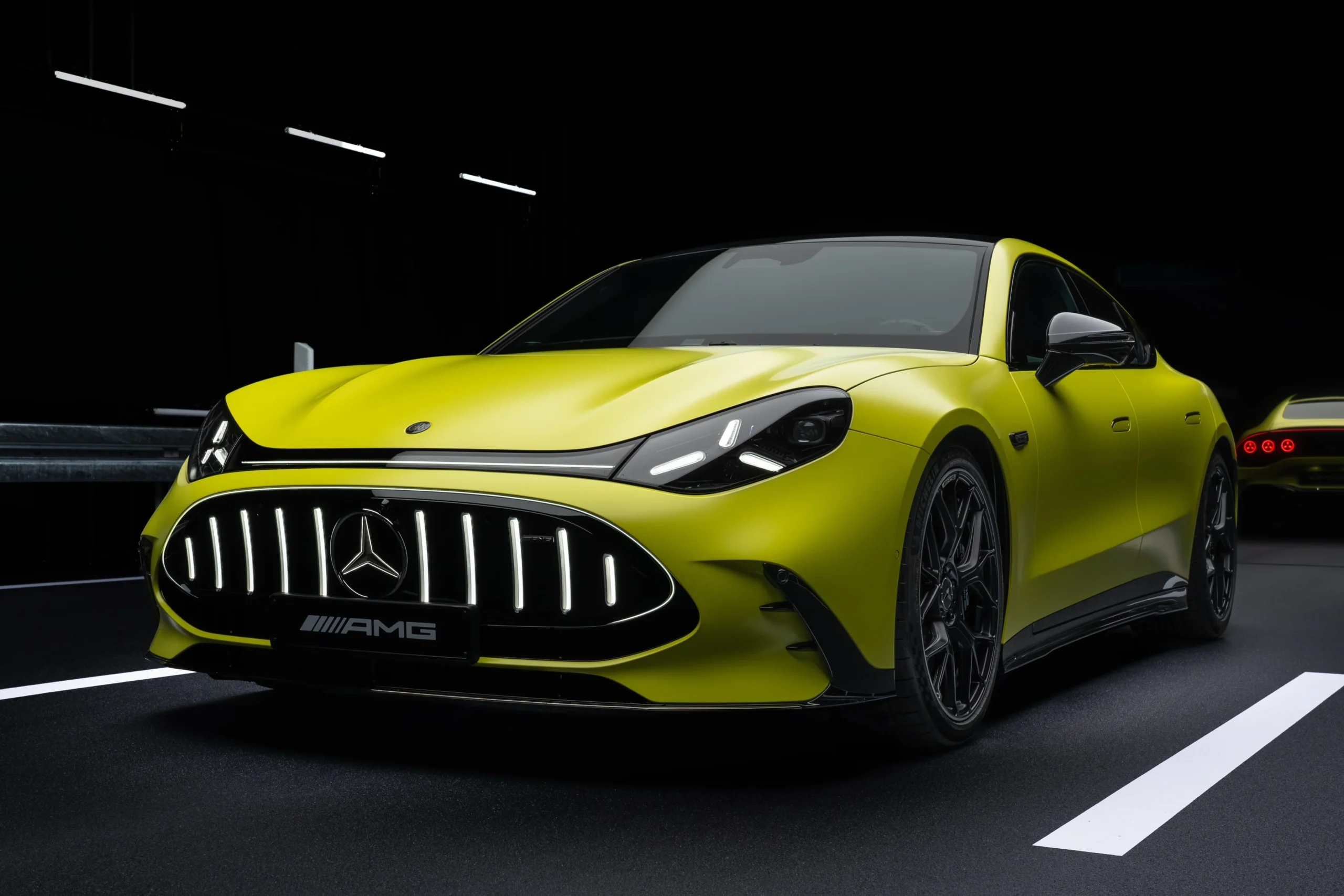
The Irreplaceable Feel of an ICE
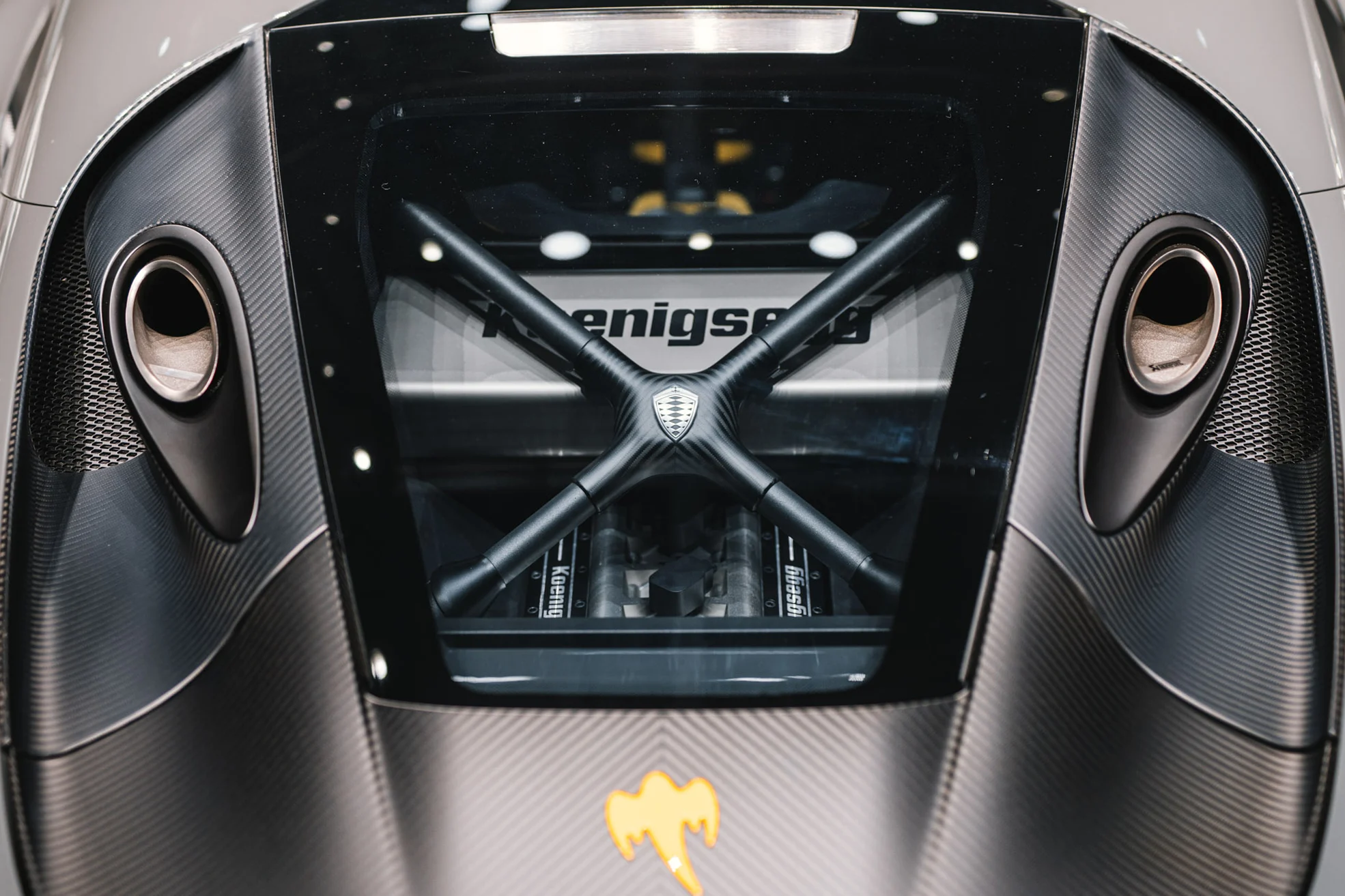
According to von Königsegg, an internal‑combustion engine provides more than raw power. It delivers vibration, sound, tactile feedback, and a visceral connection between driver and car. He likens an ICE‑powered hypercar to a creature with its own personality and moods – something an electric powertrain, however fast, cannot replicate.
“It will never become a true beast,” he remarked, drawing a clear line between the sensory experience of a gasoline engine and that of an electric motor.
For Königsegg, a hypercar isn’t meant for daily commuting. Luxury comforts such as climate control, plush seats, or advanced infotainment can be offered on far cheaper electric cars. The true value of a supercar lies in its design, engineering, driver feel, and the near‑emotional bond forged between man and machine.
Environmental Considerations in the Hypercar Niche
Von Königsegg also argues that ICE and electric vehicles should not be judged by the same environmental metrics when it comes to hypercars. A large‑capacity battery requires extensive resources and energy to produce, and its environmental impact is amortised over many miles of driving. Hypercars, however, are driven sparingly – often stored in collections for years.
His calculations suggest that a hypercar equipped with a small battery or a hybrid system could become greener than a pure‑electric counterpart after roughly 80,000 km. If the vehicle runs on renewable fuels or bio‑synthetic blends, that break‑even point could extend to about 140,000 km.
Hybrid Strategy – The Best of Both Worlds
Königsegg is not ignoring electrification. The company experimented with a fully electric platform but concluded that a hybrid drivetrain better serves its clientele. A modest battery enables silent city driving, access to low‑emission zones, and regenerative braking, while keeping the overall weight and material usage low.
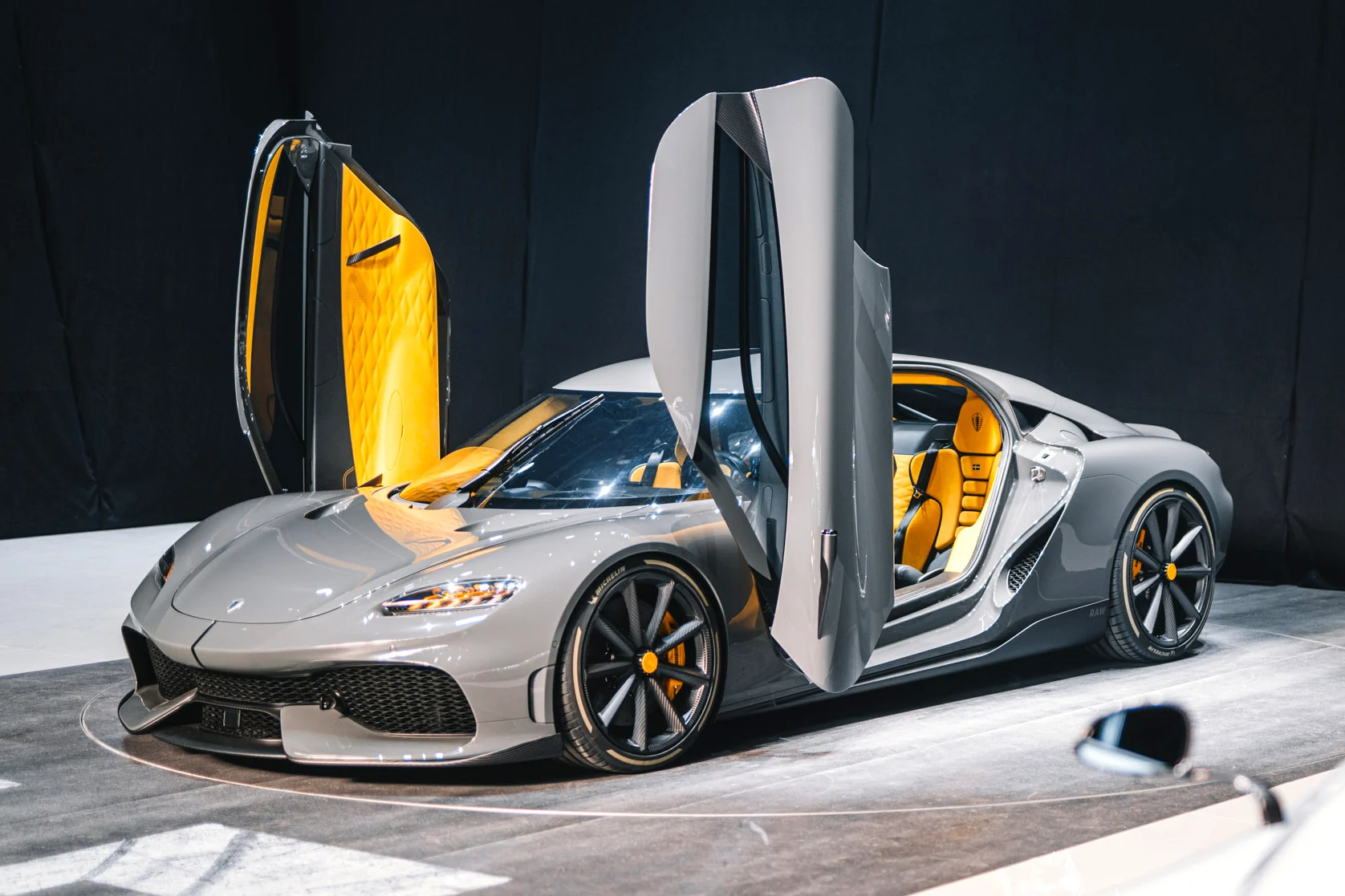
This philosophy is embodied in the Königsegg Gemera, which pairs a compact ICE with electric motors to deliver blistering performance without sacrificing flexibility.
Future Possibilities
Von Königsegg does not rule out a fully electric hypercar in the future. Advances in battery technology – lighter, smaller, and less dependent on scarce minerals – could shift the debate toward weight and handling rather than power delivery.
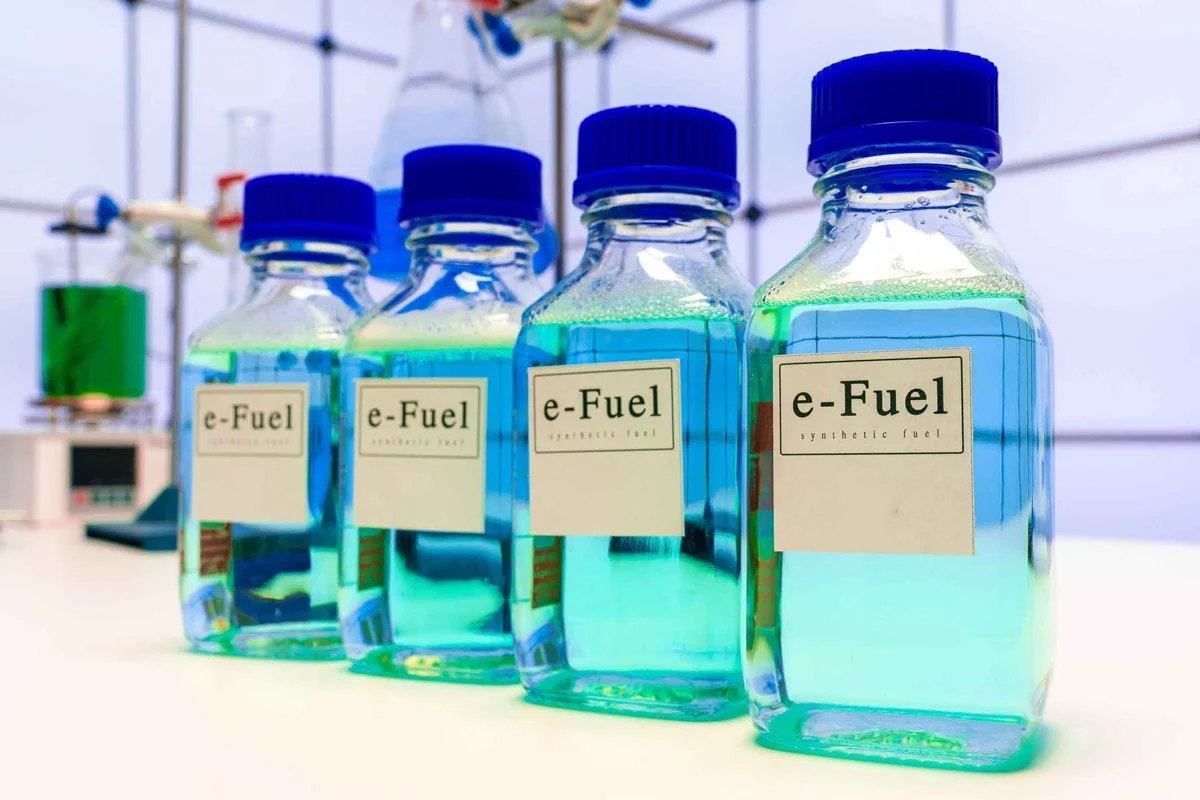
Meanwhile, Königsegg’s current models can already run on E85, a blend of up to 85% ethanol and gasoline. The company envisions replacing the gasoline fraction with synthetic fuels produced from captured CO₂ and renewable energy, potentially achieving a carbon‑negative footprint.
“We call it a nature tax,” von Königsegg joked, emphasizing the need to make internal‑combustion engines as sustainable as possible while preserving the emotional thrill they provide.
In short, for Königsegg’s hypercars, the internal combustion engine remains the beating heart that no emerging technology has yet been able to replace.