
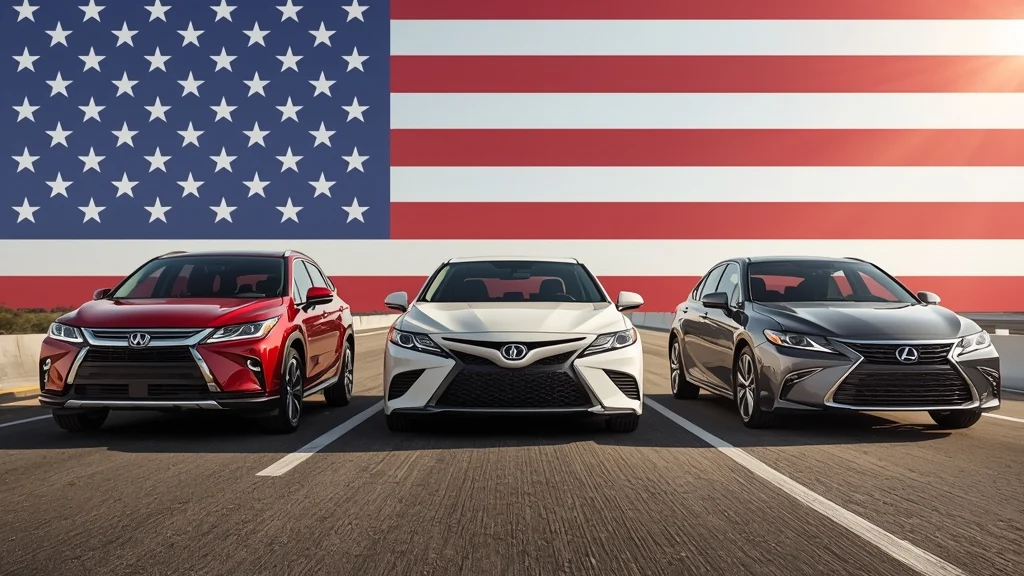
Japanese models lead the US American‑Made Index, outpacing domestic brands. Discover which cars score highest on local content and why it matters. Read more!
In the latest American‑Made Index released by Cars.com, Japanese‑built models are out‑performing many American‑owned brands when it comes to the share of U.S.‑sourced parts and labor. Six of the top‑10 vehicles with the highest domestic content are from Japanese manufacturers, and they hold seven of the top‑20 spots.
What Is the American‑Made Index?
The index evaluates 379 mass‑produced light‑duty models on five key criteria: final assembly location, the percentage of components sourced from the United States or Canada, the origin of the engine and transmission, and the share of U.S.‑based labor. Vehicles weighing more than 3,855 kg (including trucks such as the Tesla Cybertruck) are excluded, which is why the study focuses on cars, crossovers and light SUVs.
Top Performers in 2024
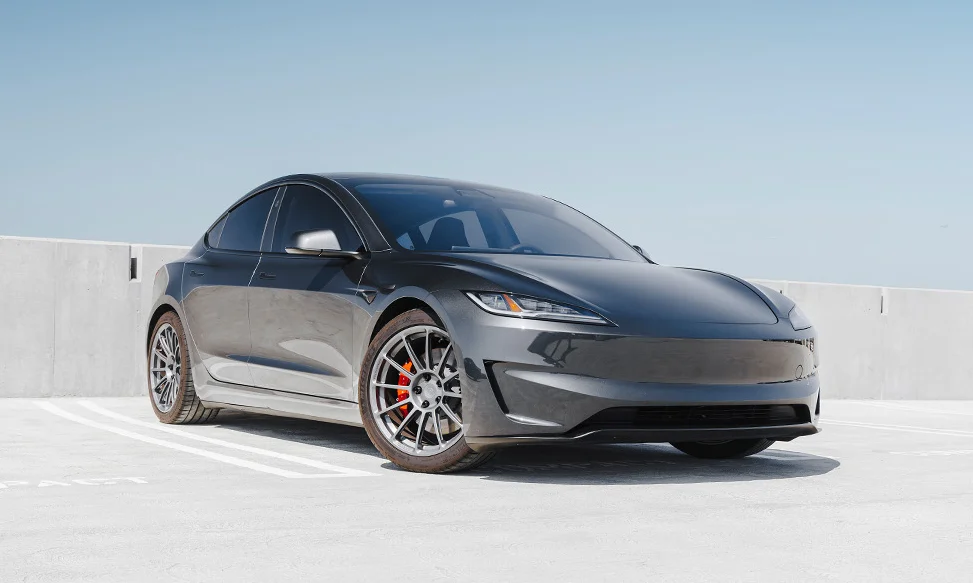
Leading the list are two Tesla models – the Model 3 and Model Y – both built at the Fremont plant in California. They are followed by the rugged Jeep Gladiator and the Grand Cherokee.
From the fifth position onward, Japanese models dominate:
- 5. Honda Ridgeline – assembled in Alabama
- 6. Honda Odyssey – also built in Alabama
- 7. Lexus TX 350 – a new entrant that jumped 34 places after its powertrain moved to a U.S. factory
- 8. Honda Accord
- 9. Acura MDX
- 10. Honda Passport
- Additional Japanese entries in the top‑20 include the Toyota Camry and several other Honda and Lexus models.
Japanese Brands Lead the Pack
Across the full list of 86 eligible models, Toyota appears 14 times and Honda 13 times – the highest representation of any automaker. This strong showing underscores how Japanese firms have adapted their supply chains to meet growing U.S. content requirements.
American Makers Lag Behind
Traditional U.S. giants are noticeably under‑represented. General Motors secures only 13 spots, while Ford appears 9 times. Stellantis, which relies heavily on production in Canada and Mexico, manages just six entries.
Even premium American models such as the Cadillac Lyriq score lower on domestic content than European rivals like the BMW X5, Mercedes‑GLE or Infiniti QX60.
Why Local Content Matters
Escalating trade tensions and tariff policies have turned the “Made in USA” badge into a competitive advantage. Automakers that can boost the proportion of U.S.‑sourced parts not only avoid extra duties but also appeal to consumers seeking domestically‑produced vehicles.
Recent tariff shifts have already prompted changes. For example, the Jeep Grand Cherokee’s domestic‑content score leapt 66 points after its U.S./Canada parts share rose by 14 %. Similarly, the Lexus TX 350’s surge is linked to its engine and transmission now being built in the United States.
Methodology Behind the Rankings
The study grades each model on:
- Final assembly location (U.S. plant)
- Percentage of parts sourced from the United States or Canada
- Origin of the engine
- Origin of the transmission
- Share of labor employed in U.S. facilities
Only mass‑produced light‑duty vehicles are considered, which explains why heavy trucks and certain high‑end EVs (e.g., Tesla Cybertruck, Tesla Model S/X) are absent.
Implications for the Auto Industry
The rise of Japanese models in the American‑Made Index signals a shift in how global manufacturers view the U.S. market. By localising more components, they can mitigate tariff exposure and strengthen brand perception among American buyers.
For U.S. brands, the findings highlight a pressing need to re‑evaluate supply‑chain strategies and increase domestic sourcing if they wish to remain competitive in a market where “Made in America” carries growing weight.
Stay informed on the evolving dynamics of automotive localisation and discover which models are best positioned for the future of U.S. car buying.