
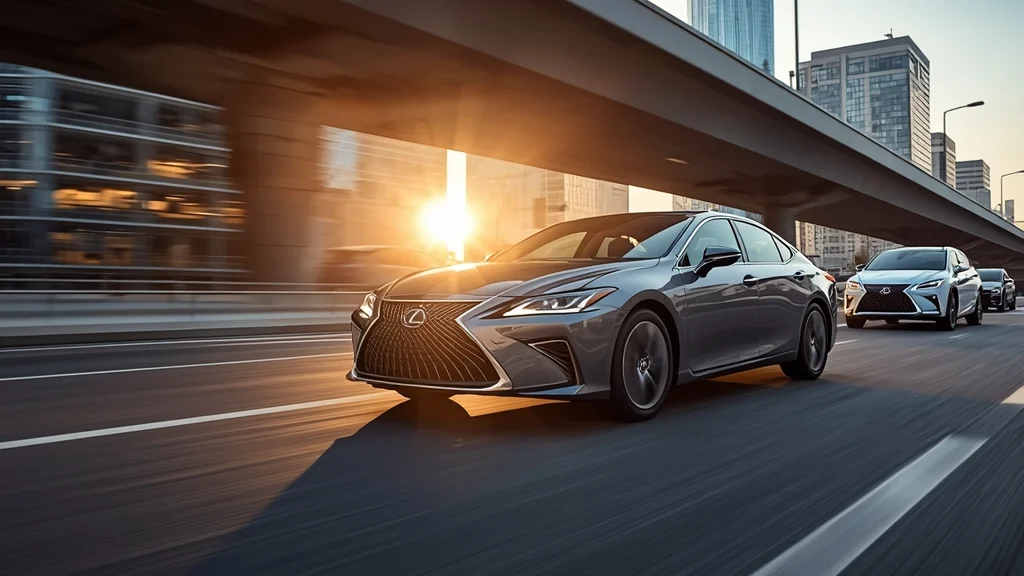
Lexus ES 2026 defies the SUV surge with hybrid and electric variants. Find out why its chief engineer insists the luxury sedan still matters. Learn more now!
SUVs dominate roads worldwide – they’re bigger, taller, and sell like hotcakes. Automakers are cashing in on the trend, attracted by higher margins and looser emissions rules that favor larger vehicles.
The ES Takes a Different Path
Against that backdrop, Lexus is doubling down on a traditional luxury sedan. The brand’s upcoming 2026 ES arrives as a hybrid and fully electric model, deliberately bucking the SUV tide.
Engineer’s Candid Take
During the first test‑drive event for the new ES, chief engineer Kohei Chiashi was asked why Lexus still cares about premium sedans in a world of crossovers. His answer was refreshingly blunt:
“Personally, I prefer sedans. The flood of SUVs is something I’m not happy about.”
Chiashi stressed his passion for the ES line and warned that abandoning it would be a mistake.
Historical Context – Sedans on the Edge
Lexus has already seen several of its flagship sedans fade. The GS was discontinued in 2020, the LS is now a niche, ultra‑luxury model, and the brand has even floated the idea of a six‑seat minivan to replace traditional coupes. With SUVs gobbling up every segment, the future of classic luxury sedans looks uncertain.
Redesigning the ES for a New Era
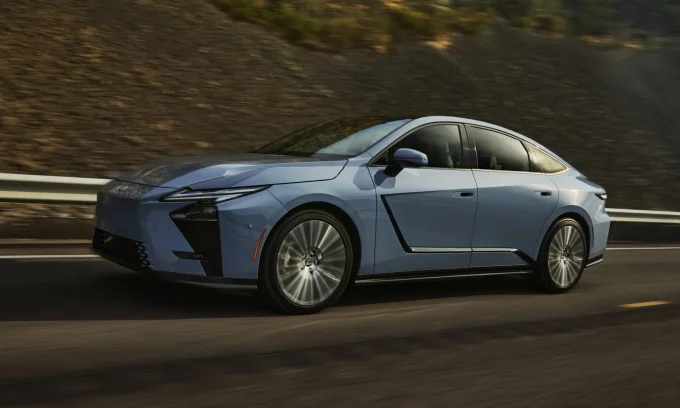
The 2026 ES isn’t just a facelift. It’s built on a completely re‑engineered platform that can accommodate both a hybrid powertrain and an all‑electric setup. The car is larger, more spacious, and equipped with the latest tech.
Technical Hurdles
Adapting one chassis to two very different drivetrains proved tougher than anticipated. Chiashi explained that performance targets – crash safety, handling, ride comfort – vary dramatically between the hybrid and pure‑electric versions because of differences in weight distribution and battery placement.
For example, the electric model houses its main battery pack centrally under the floor, while the hybrid’s battery sits elsewhere. This changes how vibrations travel through the chassis, requiring the hybrid version to have a reinforced frame core, a reinforcement that the electric version doesn’t need.
Features Tailored for the U.S. Market
All 2026 ES models sold in the United States will ship with built‑in 5G connectivity and a standard “Drive Recorder.” The system captures up to 90 one‑minute video clips, logging speed and GPS data. Owners can replay footage on the infotainment screen or download it via USB.
Pricing
- ES 350e (pure electric) – starting at $48,895
- ES 350h (hybrid) – starting at $51,095
- ES 500e (performance electric) – starting at $51,895
Conclusion
While the SUV wave shows no sign of slowing, Lexus’s chief engineer is betting that there’s still a passionate audience for a refined, comfortable, long‑distance sedan. The 2026 ES aims to prove that luxury sedans can evolve, stay relevant, and coexist with the crossover craze.