
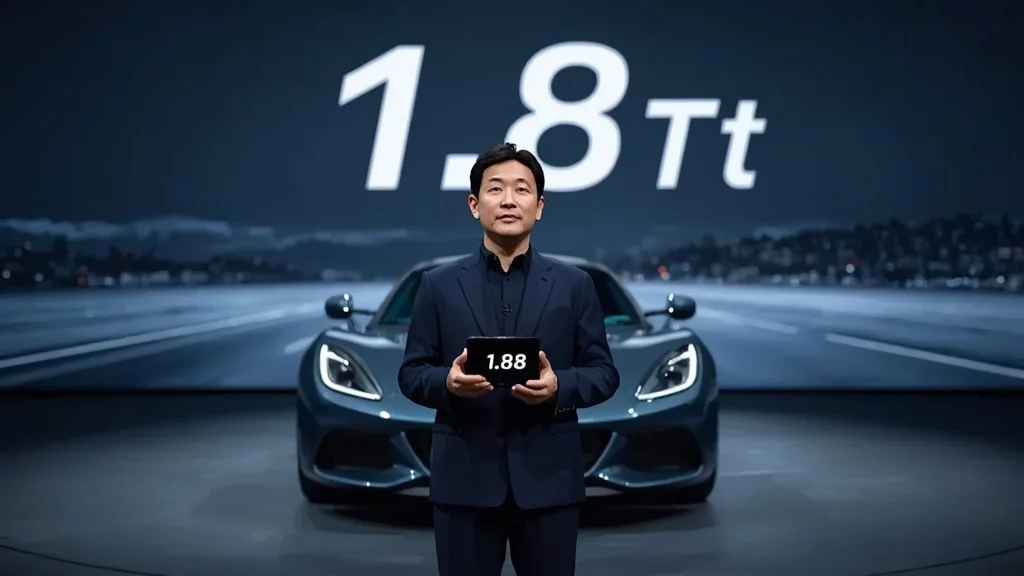
Lotus CEO Feng Qingfeng says any sports car over 1.8 tonnes is ordinary. Discover why it ignites debate and what’s next for Lotus. Read more!
During a recent media event, Lotus chief executive Feng Qingfeng set a new benchmark for sports‑car engineering: a curb weight under 1.8 tonnes. The statement, which quickly went viral on Chinese social platforms, sparked a lively debate among enthusiasts and industry insiders.
Why Weight Matters in the Electric Era
Feng argued that while horsepower is becoming easier to achieve—especially with electrified powertrains—excessive weight undermines handling and driver feedback. “In the age of electrification, power is abundant, but it can lead to a mismatched steering response if the car is too heavy,” he explained.
He added that high peak power figures are meaningless without precise control. “Even a 2,000‑hp machine that weighs more than 1.8 tonnes would still be considered ordinary,” he said.
Lotus’s Current Lineup vs. the 1.8‑Tonne Rule
The comment raised eyebrows because several of Lotus’s own models already exceed the 1.8‑tonne threshold:
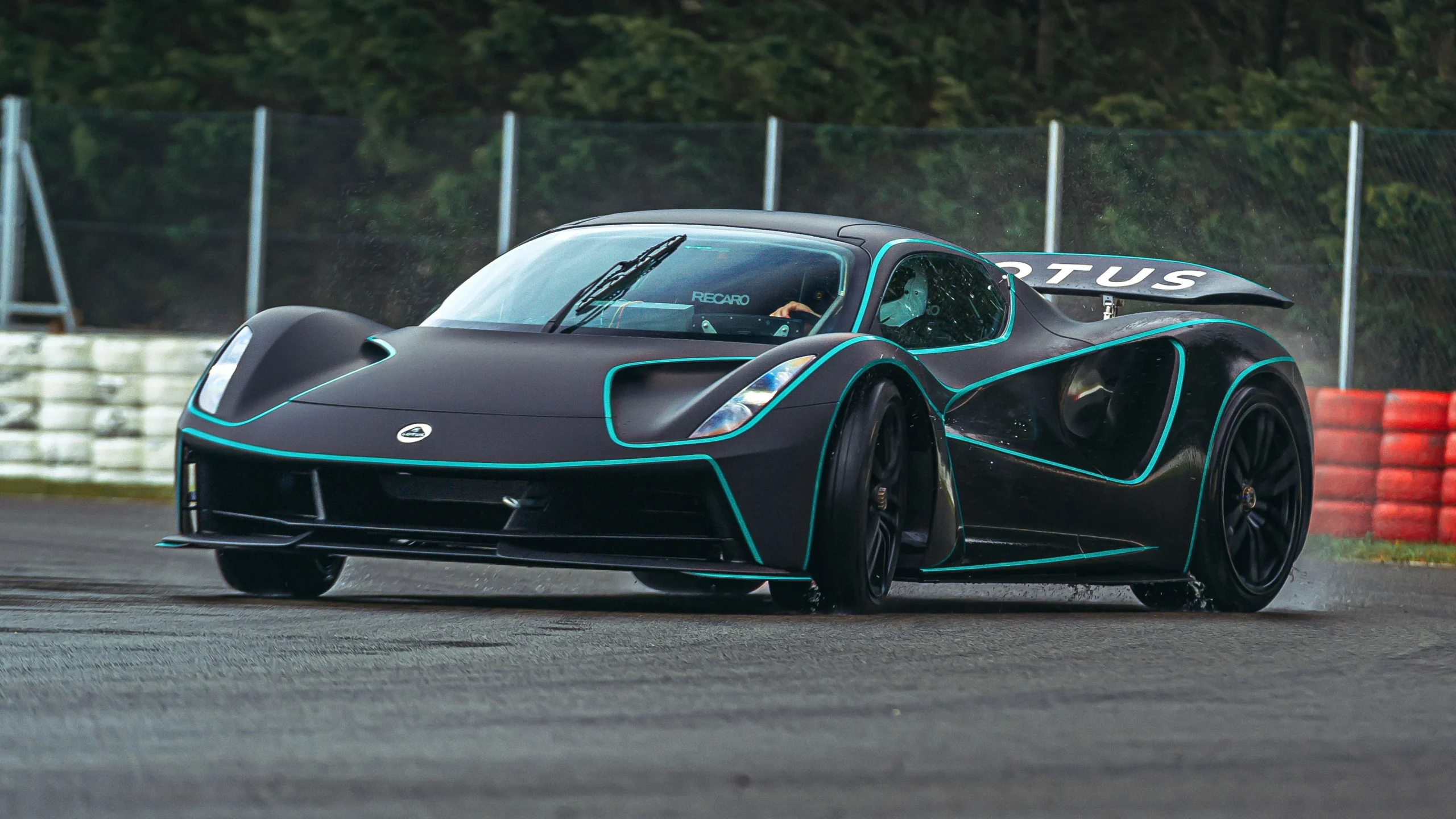
- Lotus Evija – the all‑electric hypercar tops 1.8 tonnes.
- Lotus Eletre – depending on the trim, it weighs between 2.6 and 2.62 tonnes.
- Lotus Emira – the only internal‑combustion model that stays within the target, at roughly 1,460 kg.
Critics pointed out the apparent contradiction: how can a brand champion a sub‑1.8‑tonne ideal while its flagship electric offerings are considerably heavier?
Industry Reaction
Car enthusiasts and journalists quickly highlighted the disparity. Chinese outlet CarnewsChina and other media interpreted Feng’s remarks as a strategic signal—preparing the ground for a new V8 hybrid supercar slated for a 2028 launch. The proposed model would combine a traditional V8 with hybrid assistance, delivering over 1,000 hp while staying under the 1.8‑tonne ceiling.
Future Direction: A V8 Hybrid Supercar
If the plan materialises, it would mark a pivot for Lotus. The company had previously announced an all‑electric target for 2028, but Feng’s comments suggest a retreat from a pure‑EV strategy in favour of a “best‑of‑both‑worlds” hybrid architecture that prioritises lightweight performance.
What This Means for Car Enthusiasts
For fans of the brand, the message is clear: Lotus is re‑emphasising its heritage of light, agile sports cars. While electrification will remain part of the mix, the emphasis will shift toward keeping the chassis lean enough to preserve the driving dynamics that made the marque legendary.
Whether the upcoming V8 hybrid will meet the sub‑1.8‑tonne promise remains to be seen, but the conversation has already reignited interest in Lotus’s design philosophy and its future place in the high‑performance market.