
Chinese automotive tech scores a record 658 on J.D. Power’s Tech Experience Index. Discover the trends shaping electric and AI‑powered vehicles – read more now!
China’s auto industry is once again in the spotlight. According to the latest J.D. Power study, the Tech Experience Index (TXI) for Chinese‑manufactured vehicles jumped 70 points from the previous year, landing at a historic 658. The market‑depth index (MDI) also surged, reaching 428 points, underscoring the rapid diffusion of advanced technologies across the country’s car fleets.
What the Numbers Mean
While the TXI and MDI set new records, the Technology Execution Index (TEI) slipped to 875 – the first decline after four consecutive years of growth. This divergence highlights a widening gap between the sheer number of high‑tech features offered and the day‑to‑day reliability owners actually experience.
Key Findings from the Study
- Tech Experience Index (TXI): 658 (up 70 pts), measuring how well manufacturers introduce and integrate new tech.
- Market‑Depth Index (MDI): 428, reflecting the breadth of technology penetration in the market.
- Technology Execution Index (TEI): 875, down 1% from the previous year, indicating growing pains in quality control.
- Electric and hybrid models outperformed internal‑combustion vehicles in both depth and consumer awareness.
- AI‑driven features, driver‑assist systems, and connected‑car platforms were the most frequently evaluated technologies.
Consumer Sentiment
The study surveyed more than 32,000 recent car owners across 81 major Chinese cities, collecting feedback after 90 days to one year of ownership. Results show that 48% of all complaints now stem from technology‑related issues—particularly instability and inaccurate system responses—surpassing traditional mechanical problems.
Young buyers (born after 2000) are the most demanding segment. They rate advanced features such as autonomous parking, traffic‑jam assist, and immersive infotainment as essential, and they are quick to flag any lag or inconsistency.
Brand Leaders and Laggards
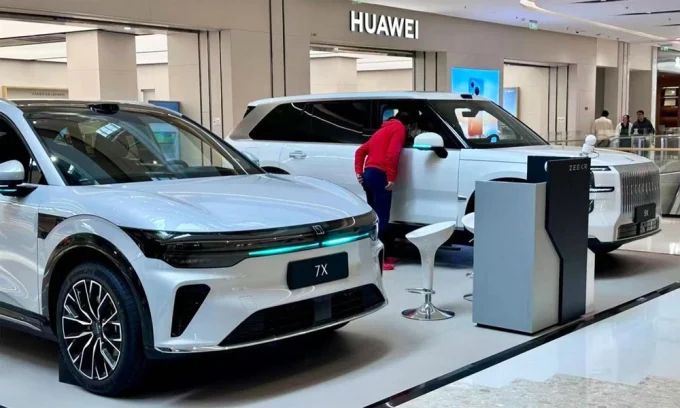
In the premium internal‑combustion segment, Mercedes‑Benz topped the chart with a score of 703, followed by BMW and Porsche. Among luxury new‑energy (electric) vehicles, Aito (a joint venture between Seres and Huawei) led with 714 points, with Denza (BYD’s premium EV brand) close behind.
For mass‑market gasoline cars, Tank (GWM) secured the highest score (668). In the affordable new‑energy category, Zeekr (Geely) surged ahead with 794 points, outpacing rivals such as Avatr and Li Auto.
Emerging Trends Shaping the Market
- Awareness of “smart‑car” features rose to 10.7 on a 0‑10 scale, driven largely by rapid growth in electric models.
- Feature usage spikes: smart exterior lighting (+35%), safety‑escape assist (+32%), autonomous driving functions (+31%), and interior ambient lighting (+28%).
- Despite high adoption rates, many advanced functions remain under‑utilised, indicating untapped differentiation potential for manufacturers.
Implications for Buyers and Manufacturers
Overall tech satisfaction is improving, yet the total number of quality complaints grew by 22 per 100 vehicles, with smart‑cabin and driver‑assist issues remaining the most prevalent. For consumers, this means a trade‑off between cutting‑edge functionality and system reliability.
Manufacturers—especially domestic start‑ups—must focus on stabilising software and delivering consistent performance to retain the trust of tech‑savvy younger buyers. International brands, while generally offering more stable platforms, need to accelerate the rollout of new features to stay competitive in China’s fast‑evolving ecosystem.
Looking Ahead
The sixth‑year TXI study paints a vivid picture of an industry at a crossroads: technology is advancing faster than ever, but execution quality must catch up. As electric vehicles dominate new‑energy sales and AI integration becomes standard, the next wave of Chinese cars will likely set the benchmark for global automotive tech.
For anyone watching the global auto market, China’s data offers a clear signal: the future of mobility is smart, connected, and increasingly electric—but only if it works reliably every day.