
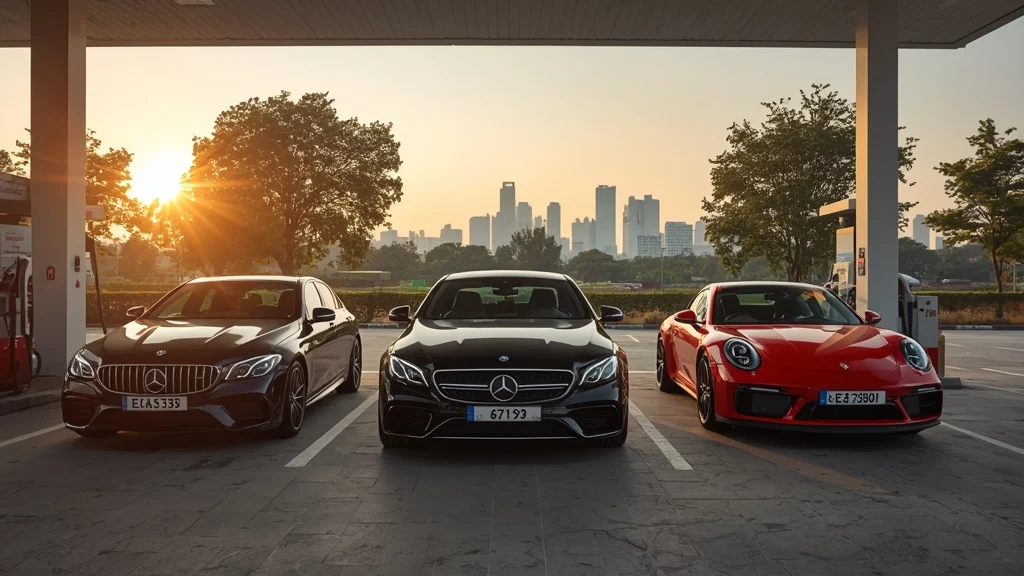
Find out if BMW, Mercedes‑Benz, Porsche and other luxury brands can run on Vietnam’s new E10 bio‑fuel and what owners must check. Learn more today!
Starting June 1, Vietnam’s nationwide fuel network began offering E10 – a blend of 10 % ethanol and 90 % gasoline – as the standard unleaded fuel. The move aligns the country with global bio‑fuel trends and promises lower emissions, but many owners of premium and sports cars wonder if their machines can handle the new mixture.
What the Ministry Says
The Ministry of Industry and Trade released a guideline confirming that most modern internal‑combustion engines are compatible with E10, provided the fuel’s octane rating meets the vehicle’s specification. Manufacturers have issued their own recommendations, most of which approve E10 for current models.
BMW
BMW states that all its gasoline‑powered models are E10‑compatible. The critical factor isn’t the ethanol percentage but the required octane level – typically 91 + for the M series (M3, M5, X3 M, etc.). As long as owners use fuel that meets the recommended octane, BMWs run smoothly on E10.
Mercedes‑Benz & Maybach
Nearly every Mercedes‑Benz model sold in Vietnam, including the ultra‑luxury Maybach line, can use E10. Older engines such as the C200 CGI (2002‑2005) and CLK 200 CGI (2002‑2005) are also cleared for the blend, provided the fuel’s octane matches the vehicle’s manual.
Jaguar Land Rover (JLR)
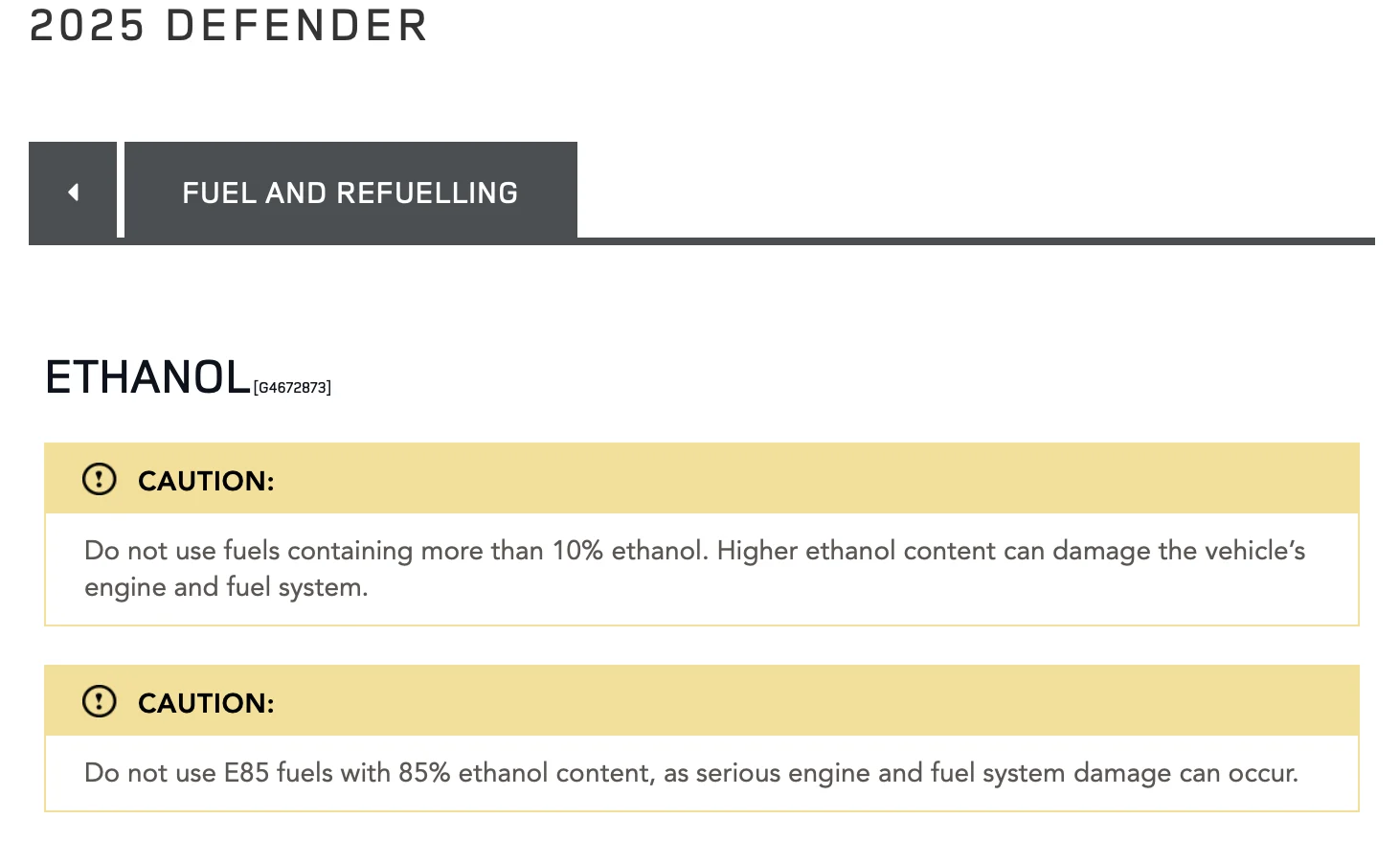
JLR lists 95‑octane gasoline as the baseline for most of its range, with a maximum ethanol content of 10 %. This covers the majority of Jaguar and Land Rover models, including the Defender, Range Rover, and Velar. The only exception is that JLR’s Flex‑Fuel Vehicles are not approved for the higher‑ethanol E85 blend.
Audi
All current Audi gasoline models are approved for E10, except a handful of early‑2000s cars – the A2 1.6 FSI (2003‑2005), A3 1.6 FSI (2004), A3 2.0 FSI (2004), and A4 2.0 FSI (2003‑2004) – which may require higher‑octane, lower‑ethanol fuel.
Porsche
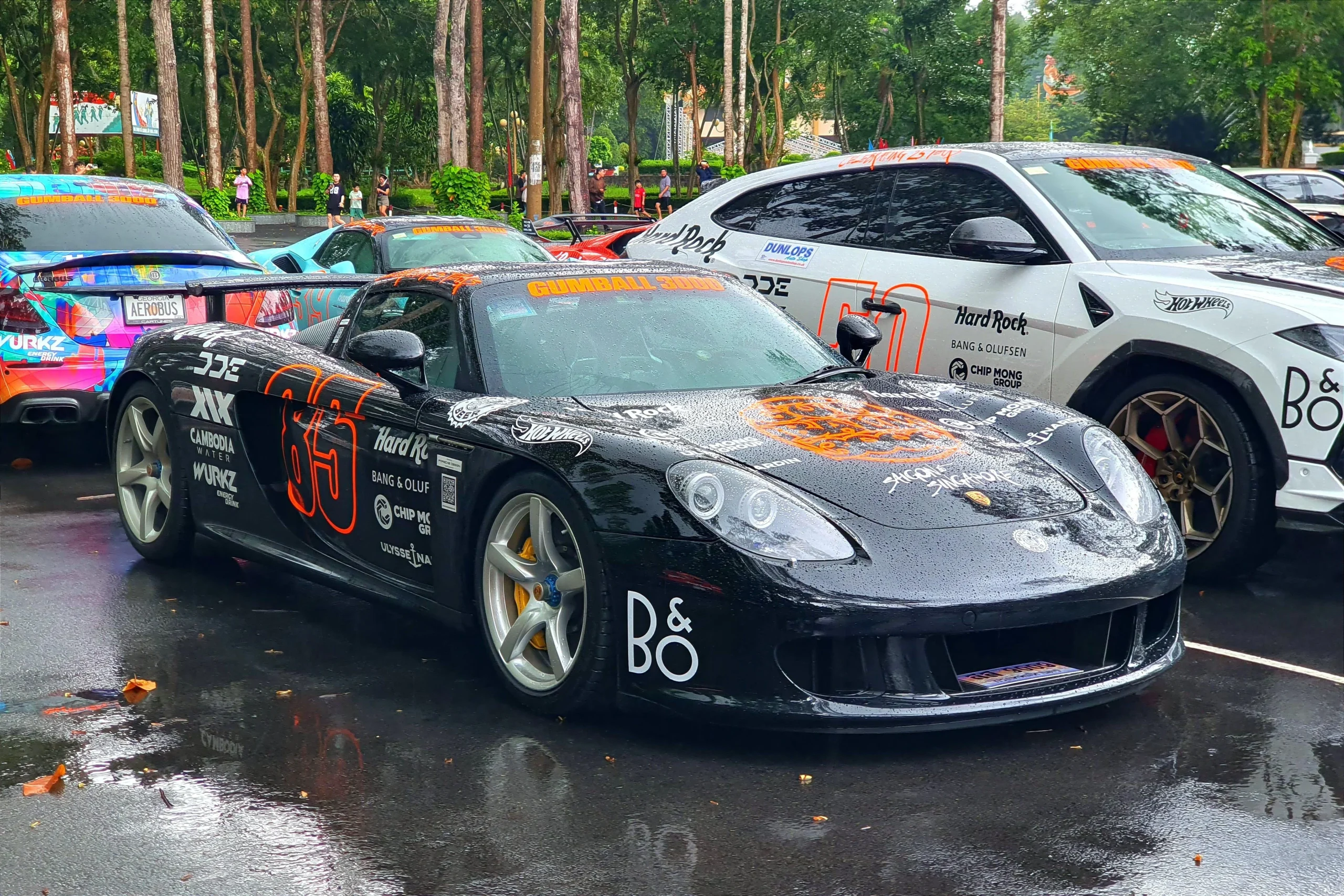
Porsche confirms that every gasoline‑powered vehicle produced since 1998 is E10‑compatible, including the Boxster line from 1997 onward. The sole outlier is the limited‑edition Carrera GT (2003‑2007), a 5.7 L V10 supercar. Owners of this rare model should verify the recommended octane before filling up.
Key Takeaways for Luxury‑Car Owners
- Check your owner’s manual for the required octane rating – not the ethanol percentage.
- Most vehicles from 2006 onward are cleared for E10 without any special maintenance.
- If you drive an older model (2002‑2005) or a limited‑edition supercar, confirm the fuel specs before the first fill‑up.
- Regular service at an authorized dealer ensures the fuel system remains in good condition for ethanol blends.
In short, the transition to E10 in Vietnam poses no technical barrier for the majority of luxury cars on the road today. By following the manufacturer’s octane recommendations and keeping up with scheduled maintenance, owners can enjoy the environmental benefits of bio‑fuel without compromising performance.
Ready to switch? Verify your car’s octane requirement and fill up with confidence.