
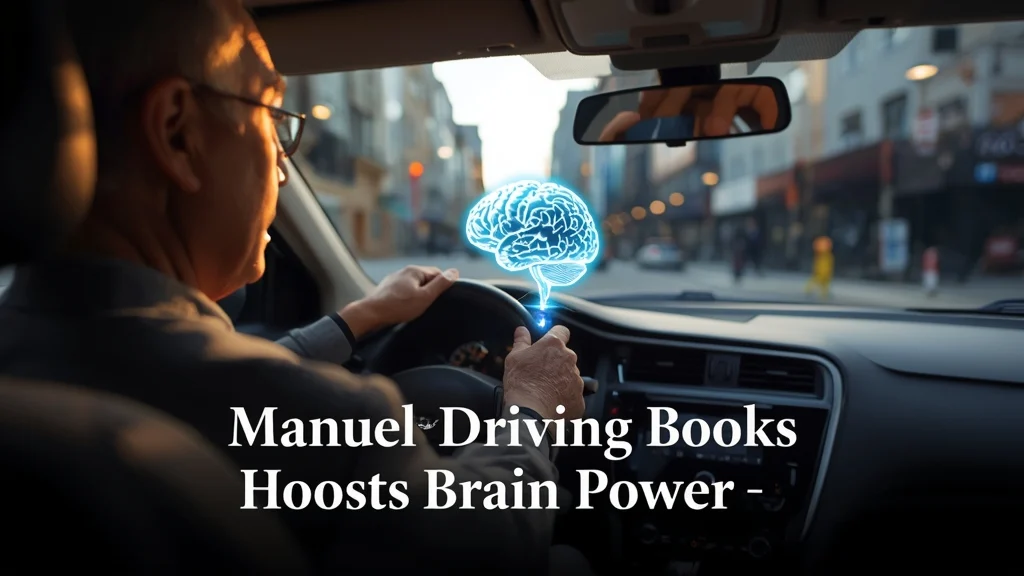
A Japanese study finds manual transmission driving keeps the prefrontal cortex active, especially in older adults. Discover how shifting gears may benefit your mind – read the full story now!
A recent Japanese research project led by Professor Ryuta Kawashima of Tohoku University—renowned for creating Nintendo’s Brain Age games—has found that operating a manual‑transmission vehicle can stimulate the brain more than driving an automatic.
Why Manual Shifting Engages the Brain
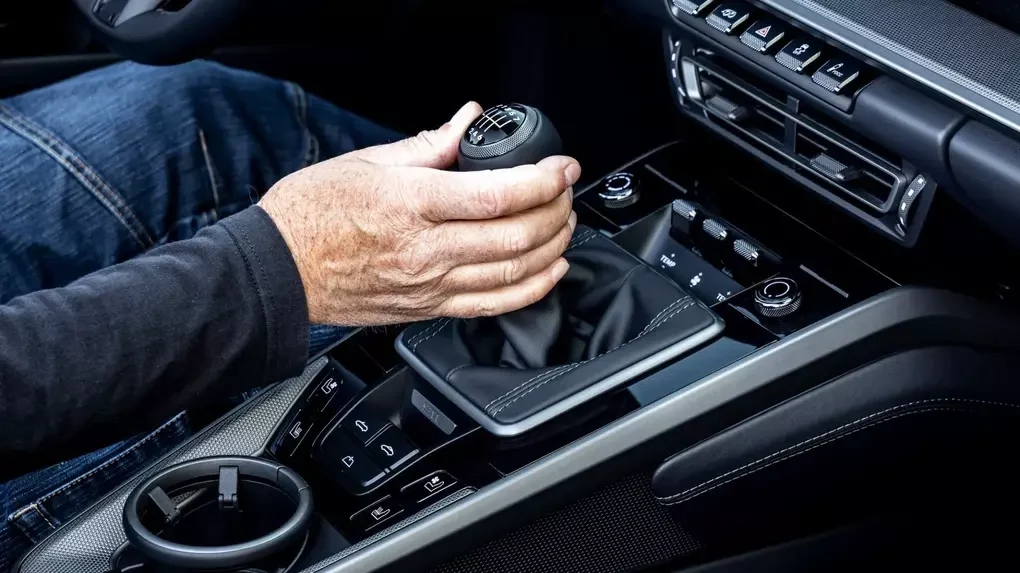
Driving a stick‑shift car requires constant coordination of the clutch, accelerator, gear lever and steering wheel, as well as continuous monitoring of engine RPM to select the optimal gear. This sequence of actions acts like a real‑time workout for the pre‑frontal cortex, the brain region responsible for planning, decision‑making and multitasking.
Study Findings
The researchers measured brain activity using functional imaging and observed significantly higher activation in the pre‑frontal cortex of participants who drove a manual vehicle compared with those who used an automatic. The effect was most pronounced among older adults, suggesting that the mental “exercise” of shifting gears may help preserve cognitive flexibility as we age.
What the Results Do—and Do Not—Mean
Professor Kawashima cautions that while the data show a correlation between manual driving and increased brain activity, they do not prove that stick‑shift driving can prevent or treat dementia. The study simply highlights a link, not a cure.
Manual Cars Are Becoming Rare
In Japan, manual‑transmission models now account for only about 1‑2 % of new‑car sales, as consumers shift toward automatics, hybrids and electric vehicles. This trend mirrors global markets where the convenience of automatic gearboxes is winning out.
Earlier Research Supports the Idea
A 2006 study published in the Journal of Attention Disorders reported that participants performed better on concentration tasks and drove more safely in a simulator when using a manual transmission. However, the sample size was small, and further research is needed to confirm those findings.
Choosing the Right Transmission for You
Experts note that manual driving isn’t a one‑size‑fits‑all solution. In heavy traffic or densely populated cities, an automatic gearbox can reduce fatigue and improve comfort. Ultimately, the decision should consider personal driving habits, skill level and lifestyle preferences.
Whether you’re a gear‑shifting enthusiast or simply curious about the cognitive perks, the emerging evidence suggests that the humble stick shift may offer more than just a fun driving experience—it could be a modest brain‑boosting activity.