
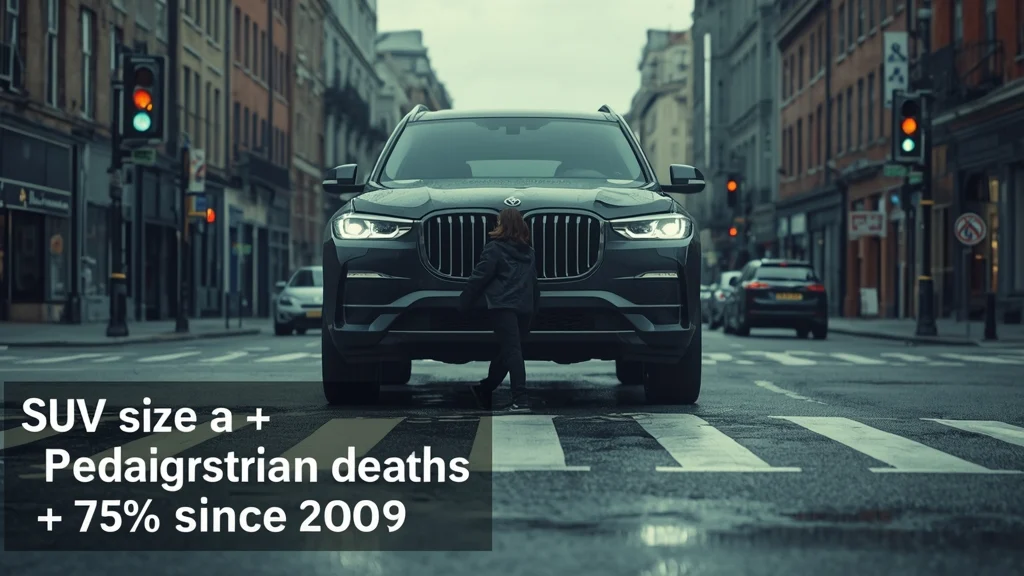
New research shows the rise of larger SUVs and pickups is driving a 75% jump in US pedestrian deaths since 2009. Learn how vehicle size impacts safety today.
Recent research from the automotive analytics firm The Drive reveals a troubling link between the growing size of sport‑utility vehicles (SUVs) and pickups and a sharp rise in pedestrian deaths across the United States.
Key Findings
After decades of steady decline, pedestrian fatalities have risen 75% since 2009. The study examined government crash records, industry data, and—crucially—a previously unpublished dataset on vehicle dimensions. It concluded that the surge in large‑body SUVs and trucks accounts for a substantial share of the increase.
Analysts estimate that each year between 200 and 400 pedestrians might have survived if today’s vehicles were the same size as those on the road roughly 25 years ago—a figure that represents about 10% of the recent rise in deaths.
Between 2016 and 2024, roughly 3,000 pedestrian deaths were directly tied to the higher front‑end profiles of these vehicles. The actual number could be higher because the model excluded collisions that occurred in parking lots, private driveways, or other non‑public settings.
Why SUVs Are Growing Bigger
The popularity of SUVs and pickups exploded in the 1990s, stalled briefly during the 2008 financial crisis, and then rebounded as fuel prices spiked and new emissions standards took effect. Programs like the U.S. “Cash for Clunkers” initiative removed nearly 700,000 older, smaller cars from the market, prompting many consumers to replace them with newer, larger models.
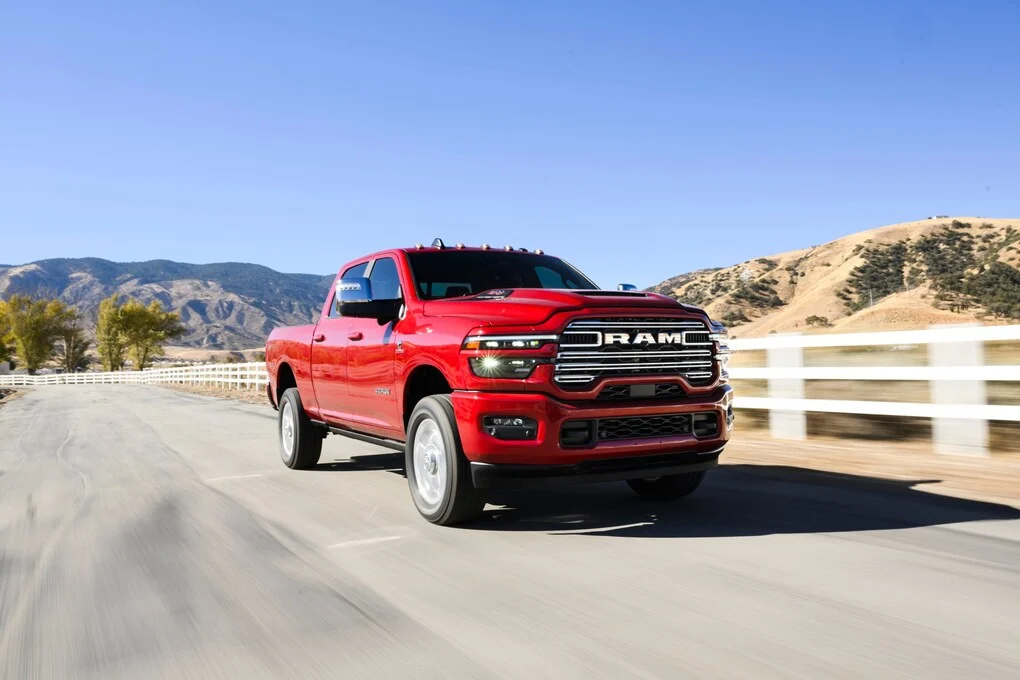
Another unintended driver was the shift to a “footprint‑based” fuel‑economy rating system, which measures a vehicle’s overall size rather than just its weight. This loophole encouraged manufacturers to design bigger crossovers and SUVs that could meet the same efficiency thresholds as smaller sedans, accelerating the transition toward larger family vehicles.
Pedestrian Risk Factors
In theory, a larger front end can disperse crash forces over a broader area, reducing pressure on any single point of the body. However, when vehicle mass increases alongside size, the protective benefit diminishes. Modern SUVs not only sit higher but also carry more weight due to added technology and safety equipment.
When a collision occurs below a pedestrian’s center of mass, the victim is often tossed onto the hood. A higher bumper, however, can strike at torso or head level, propelling the person underneath the vehicle—a scenario that dramatically raises the likelihood of fatal injury.
Compounding the problem, the elevated nose and larger front‑view blind spot of SUVs make it harder for drivers to see pedestrians, especially at low speeds. Many severe impacts happen before the driver even realizes a collision has occurred.
Expert Insight
“Many serious crashes happen at low speed because the pedestrian is knocked down in front of the vehicle. By the time the driver looks up, the victim’s head is already under the wheel,” said Shawn Harrington, a senior analyst at crash‑test firm Forensic Rock.
Even as tire technology, braking systems, and advanced driver‑assist features improve, the sheer size and weight of today’s SUVs and pickups continue to pose a greater threat to pedestrians.
What Can Be Done?
Policymakers and manufacturers are urged to reconsider vehicle design standards, prioritize pedestrian‑friendly front‑end geometry, and explore mandatory active safety systems that detect and mitigate low‑speed impacts. Until such measures become widespread, the growing dominance of large SUVs will likely keep pedestrian safety at risk.