
Mitsubishi and Nissan aim to launch a vehicle‑to‑grid (V2G) service by 2030, letting EV owners sell excess battery power back to the grid. Learn more today!
What is Vehicle‑to‑Grid (V2G)?
Vehicle‑to‑grid, or V2G, lets electric vehicles (EVs) act as portable energy storage units. When an EV’s battery is full, the car can feed electricity back into the grid, earning the owner a fee based on market rates.
Mitsubishi’s Pilot Program
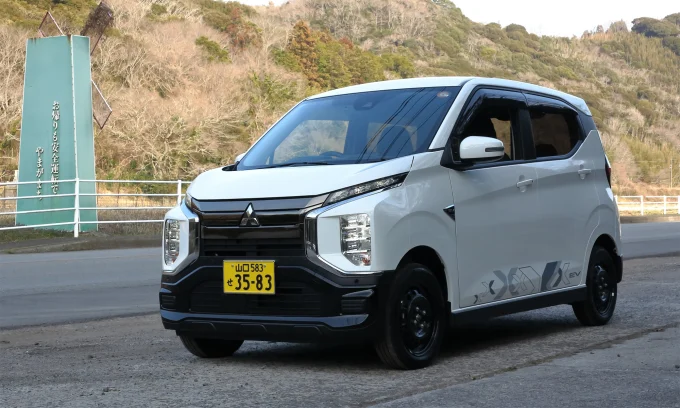
Starting in 2023, Mitsubishi began a real‑world trial that will run through March 2025. About 12 EVs – primarily the compact eK X model – are connected to a dedicated V2G platform in Tokyo and surrounding areas. Drivers can remotely control charging and discharging via a smartphone app.
The program ties the selling price of surplus electricity to the Japanese Electricity Exchange (JEPX) rates, which fluctuate dramatically throughout the day.
Potential Earnings for EV Owners
On a typical May day, JEPX recorded a peak price of 30 yen/kWh at 18:30 and a low of just 0.7 yen/kWh around noon. The eK X’s 20 kWh battery could therefore generate up to 600 yen (≈ $5) per day, or more than 10,000 yen (≈ $85) per month when the grid price spikes.
While these numbers are modest now, widespread V2G adoption could substantially offset the cost of owning an EV.
Upcoming Services from Mitsubishi
In 2024 Mitsubishi rolled out a smart‑charging scheduler that automatically charges during off‑peak hours when electricity is cheapest. The company is also evaluating data‑access fees as a new revenue stream, leveraging the same connectivity used for V2G.
The ultimate goal is to boost sales of its plug‑in hybrids and electric models – two segments where Mitsubishi already has a strong market presence.
Nissan’s Roadmap to V2G
Following Mitsubishi’s lead, Nissan plans to launch its own V2G energy‑trading service by 2030 or later. The Japanese automaker will enable owners to sell surplus power from both EVs and home battery systems back to utilities.
To make the technology affordable, Nissan aims to sell bidirectional chargers as early as 2028 at a “very low” price point. Current two‑way chargers cost about 1.5 million yen (≈ $9,400), but Nissan promises a significantly reduced price for early adopters.
Industry Outlook
The Japanese automotive sector began seriously exploring V2G around 2020, coinciding with rapid growth in renewable energy. Excess solar power from rooftop farms often needs a storage outlet, and EV batteries are an ideal solution.
According to the Japan Automobile Dealers Association (JADA), electric and plug‑in hybrid cars will account for 3.2 % of new passenger‑vehicle sales by 2025 – a 1.4‑point jump from 2021. Other manufacturers, such as Suzuki and China’s BYD, are also preparing new electric kei‑cars, adding further momentum.
Key Takeaways
- Both Mitsubishi and Nissan are positioning V2G as a core feature of their future EV line‑ups.
- Early pilots suggest owners could earn several hundred yen per month by selling excess power.
- Smart‑charging schedules and affordable bidirectional chargers are critical to scaling the service.
- Growing renewable generation and rising EV adoption create a perfect storm for V2G growth.
Stay tuned as these Japanese giants move from pilot projects to full‑scale commercial services, potentially reshaping how electric‑car owners interact with the power grid.