
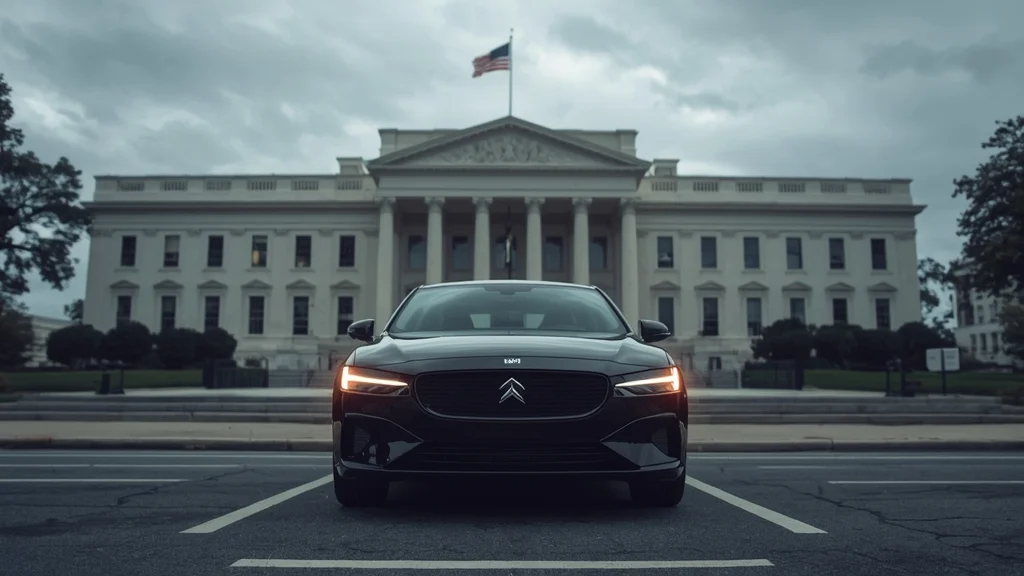
Polestar loses US market access as the Connected Vehicle Rule blocks new models from 2027. Discover the fallout and next steps for owners. Read more now.
Swedish electric‑luxury brand Polestar announced that it will be unable to sell any new‑model vehicles in the United States after the 2027 model year. The decision follows a refusal by the U.S. Department of Commerce’s Bureau of Industry and Security to grant the company an operating licence under the newly‑enforced Connected Vehicle Rule.
What is the Connected Vehicle Rule?
The Connected Vehicle Rule was finalized during the Biden administration with the explicit aim of protecting national security. It bars any vehicle that incorporates software or hardware sourced from China or Russia from being sold in the U.S. market, citing concerns that such systems could be remotely hijacked or used to transmit sensitive data back to foreign governments.
Why Polestar is Targeted
Polestar is majority‑owned by China’s Geely Holding, which gives the Chinese conglomerate a controlling stake in the Swedish marque. Because of this ownership structure, Polestar fell squarely within the scope of the new rule. The Department of Commerce stated that it could not issue a licence for any Polestar models produced from the 2027 model year onward.
Impact on Polestar’s U.S. Line‑up
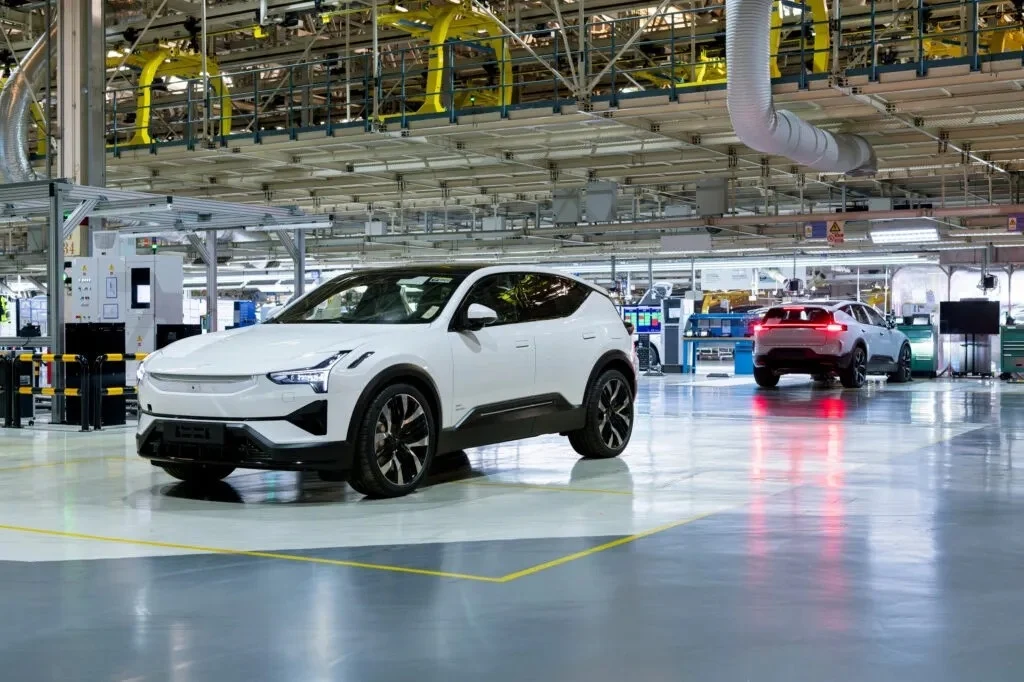
The ban hits the Polestar 3 the hardest. The SUV is the only Polestar model assembled at the company’s South Carolina plant, a facility that began operations in 2024. Even though the vehicle is built on U.S. soil, the parent company’s Chinese ties mean it cannot clear the regulatory hurdle.
Polestar has also confirmed that the 2026‑year versions of the Polestar 3 and the upcoming Polestar 4 will be the last models it can sell in the United States. Dealerships will remain open to honor warranties, perform repairs, and clear existing inventory, but no new cars will be shipped to the market after 2026.
Volvo’s Exception
Interestingly, Volvo – another Geely‑owned brand that shares the South Carolina production line – received an exemption from U.S. authorities in May. The separate exemption highlights how nuanced the rule’s application can be, depending on the specific supply‑chain and software provenance of each model.
Other Chinese‑Linked Models Facing Similar Scrutiny
Polestar is not alone. Two other models assembled in China – the Lincoln Nautilus and the Buick Envision – are also under legal review and could encounter comparable restrictions if they fail to meet the rule’s requirements.
What This Means for Current Owners
Polestar assures existing U.S. customers that service and warranty support will continue through the established dealer network. However, the looming market exit raises questions about brand loyalty and the long‑term viability of Polestar’s U.S. operations.
Financial Outlook for Polestar
Polestar’s leadership appears relatively untroubled by the U.S. ban because the company’s revenue is heavily weighted toward overseas markets. In the first quarter, roughly 94% of its retail sales came from outside the United States, with Europe accounting for almost 80% of that total.
The situation echoes earlier challenges faced by Chinese‑linked automakers such as BYD and Chery, which have been hampered by U.S. tariff measures and regulatory barriers, even without an outright ban.
Looking Ahead
With the Connected Vehicle Rule set to tighten further – expanding from software restrictions in 2027 to hardware limitations by 2030 – the automotive landscape in the United States could see a wave of new exclusions for brands with Chinese or Russian supply‑chain ties.
For now, Polestar’s U.S. customers can expect continued after‑sales support, but the brand’s future in the American market remains uncertain.