
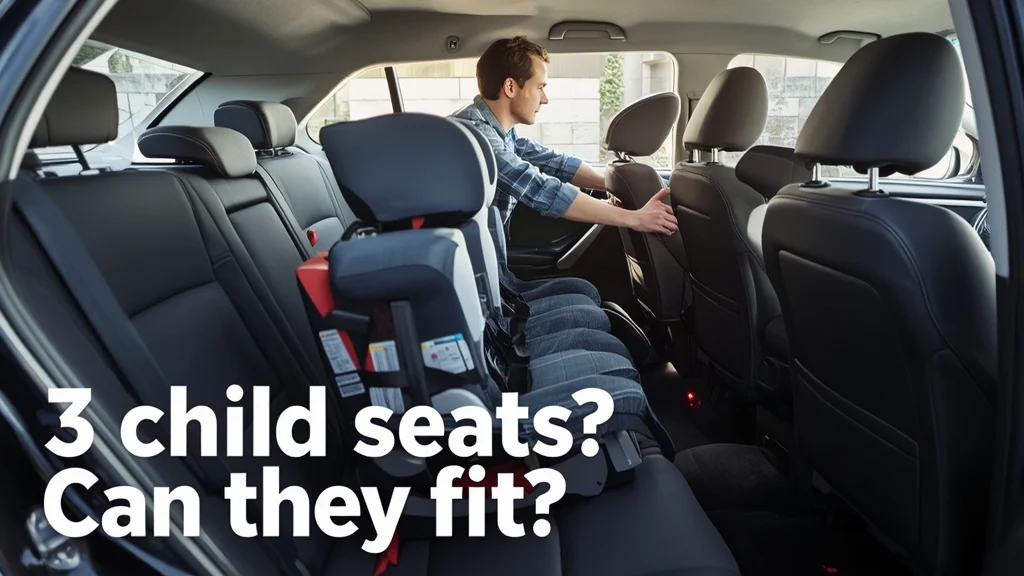
Discover whether popular compact urban SUVs can safely accommodate three child car seats, and learn the best family-friendly options. Read more now!
Starting July 1, new regulations on child‑car‑seat usage in Vietnam will take effect, prompting many families to wonder: can a typical five‑seat urban SUV actually hold three child seats?
Real‑world concern from a three‑kid household
Diệu Như, a driver from Hải Dương who owns a VinFast VF 5, has two children aged 3 and 4½ years and a baby who is only 11 months old. She has been searching for a solution that lets her fit three child seats in the second row, but so far nothing seems to work.
Testing the market’s most popular compact SUV – Toyota Corolla Cross
The Toyota Corolla Cross is one of Vietnam’s best‑selling urban SUVs. Its dimensions (4 460 mm × 1 825 mm × 1 620 mm, wheelbase 2 640 mm) give it a standard‑size second‑row that looks roomy on paper.
Full‑size European child seats don’t fit three‑wide
We installed two full‑size, 360°‑rotating seats:
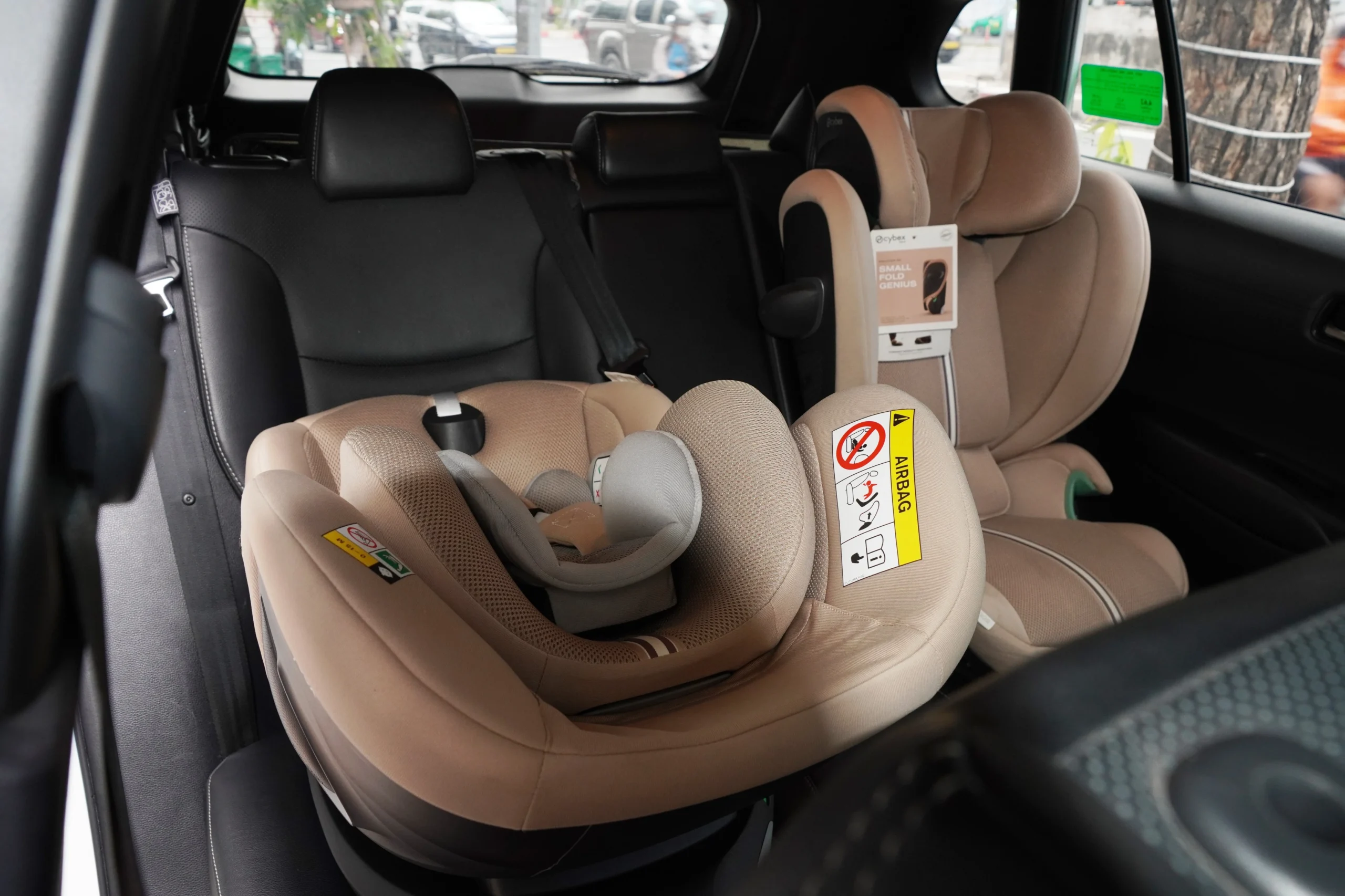
- Cybex Solution G2 Plus booster (ages 3‑12)
- Nuna Exec with 360° swivel base (ages 0‑12)
Both use ISOFIX anchors and feature large protective frames. The result? The second row could only accommodate the two seats, leaving no room for a third. The bulky frames and swivel bases consume most of the width.
Switching to slimmer booster cushions
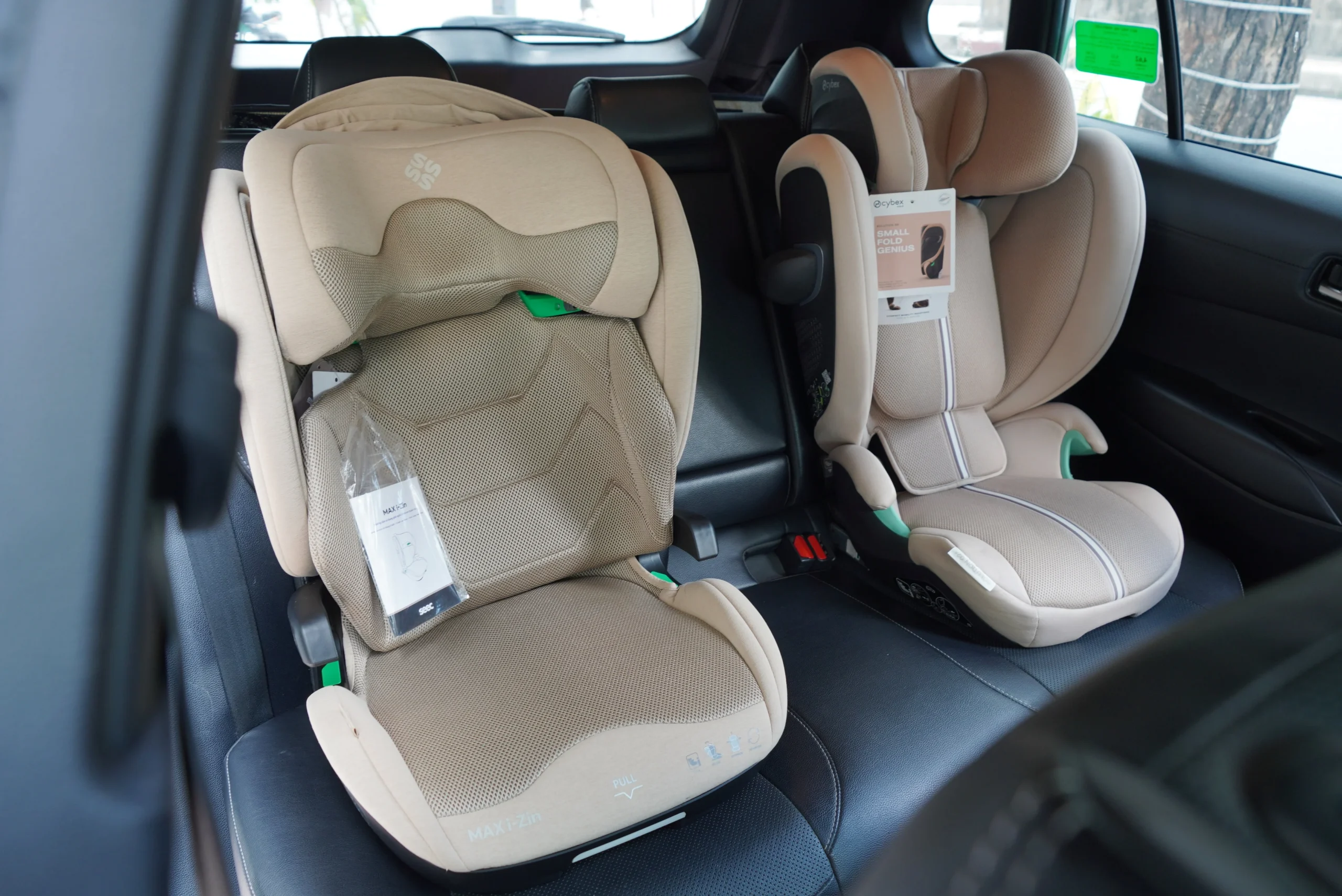
We replaced the swivel seats with slimmer boosters:
- SEEC Max I‑zin 2 Junior (ages 0‑12) on the right
- Cybex Solution G2 (fold‑down model) on the left
Even with these narrower cushions, the middle space was still insufficient for an additional ISOFIX‑mounted seat. A small adult could squeeze in, but the gap is only “just acceptable” for short trips.
Why full‑size seats take up so much room
European and U.S. standards such as ECE R44/04 and FMVSS No. 213 demand reinforced frames and multiple impact‑absorbing layers. While they offer top‑tier protection, the added bulk makes them ill‑suited for compact second rows.
Alternative seats that might work – pros and cons
Vietnam’s market now carries simpler, lighter seats that rely on the vehicle’s seat belt rather than ISOFIX. These models are:
- More compact, allowing three to fit side‑by‑side in some SUVs
- Generally cheaper and easier to install
- Often lacking the rigorous crash‑test certifications of their full‑size counterparts
For families prioritising cost and space over maximum certification, these could be a viable compromise.
What families should consider
If you have three children who all need a child‑seat or booster, the safest bet is to look beyond a five‑seat compact SUV. Options include:
- A seven‑seat MPV (e.g., Toyota Sienta, Honda BR‑V) where the middle row is designed for three passengers
- A larger C‑segment SUV with a wider second row (e.g., Hyundai Tucson, Kia Sportage)
- Choosing a vehicle with a bench‑style second row that offers more flexibility
These alternatives give you the room to install three properly certified seats without cramming.
Conclusion
Our hands‑on test shows that compact urban SUVs—like the Toyota Corolla Cross—cannot comfortably accommodate three full‑size child seats in the second row. While slimmer, belt‑only boosters may make it technically possible, they often fall short of international safety standards.
For families with three young children, upgrading to a vehicle with a wider or extra row is the most practical and safest solution.
What’s next?
In our next article, we’ll evaluate a larger C‑segment SUV to see whether a five‑seat layout with a wider second row can finally host three child seats safely. Stay tuned!