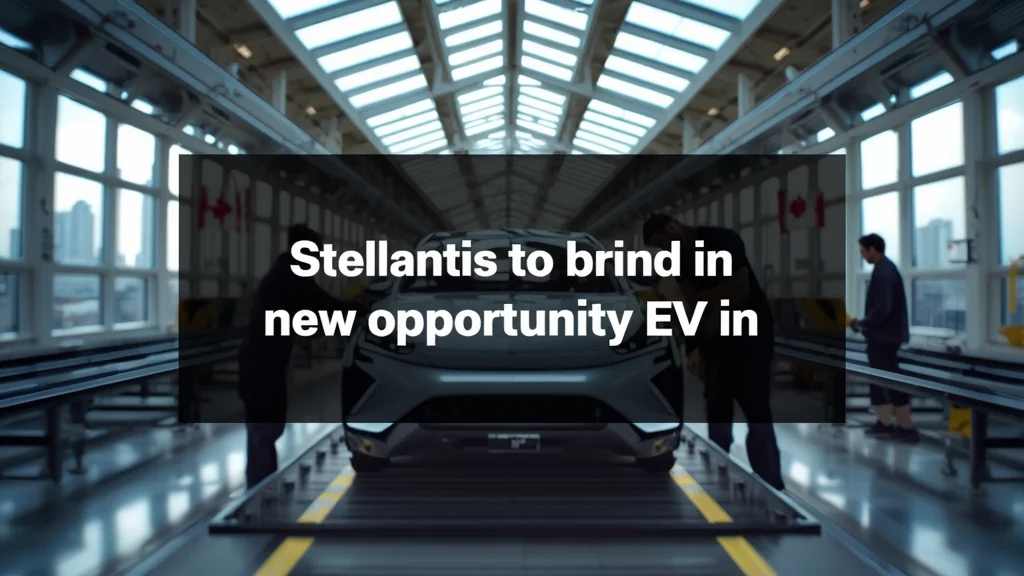
Stellantis is eyeing its Brampton, Ontario factory to start assembling Chinese Leapmotor electric vehicles, opening new opportunities in North America. Learn more now.
Stellantis, the multinational automaker behind brands such as Dodge, Jeep and Peugeot, is weighing a bold new direction for its Brampton, Ontario plant. The facility, which recently halted production of the iconic Dodge Charger and Challenger muscle cars, could be repurposed to assemble electric vehicles (EVs) from Chinese newcomer Leapmotor.
Why Leapmotor?
Leapmotor, a fast‑growing electric‑car maker from Zhejiang, has been expanding its global footprint at a pace that analysts say exceeds expectations. After securing assembly lines in Spain and entering talks with Dongfeng to build Voyah models in France, the company is now eyeing North America as its next frontier.
Stellantis sees three strategic benefits
- Revenue boost: Adding Leapmotor EVs to Stellantis’ portfolio could open a new sales channel in markets where the group currently has limited electric‑vehicle offerings.
- Competitive insight: Direct involvement in a Chinese EV brand gives Stellantis a front‑row seat to study product design, battery technology and pricing strategies used by its Asian rivals.
- Cost sharing: Partnering with Leapmotor allows Stellantis to spread the hefty capital outlay required for large‑scale EV production while leveraging existing manufacturing capacity.
Canada as a testing ground
According to CNBC, the Brampton plant is emerging as a top candidate for Leapmotor’s North‑American production hub. The plant has been idle since December 2023, when the last of the Dodge muscle‑car models rolled off the line. Converting the site would involve installing new battery‑pack assembly lines and re‑tooling paint shops, but the underlying infrastructure is already in place.
Canadian policy currently permits up to 49,000 Chinese‑built EVs to be imported each year with a preferential tariff of 6.1 %. This quota is often cited as the ceiling for any discussion about local assembly, signalling that the government is open to deeper integration of Chinese EVs into the domestic market.
Political hurdles
Despite the commercial appeal, the proposal has faced pushback from federal Industry Minister Melanie Joly and Ontario Premier Doug Ford, who have expressed concerns about supply‑chain security and the impact on Canadian jobs.
Ownership stakes and market rollout
Stellantis now holds a 21 % stake in Leapmotor, making it the Chinese automaker’s largest single shareholder. Through a 51 % joint‑venture agreement, Stellantis also secured exclusive rights to sell, distribute and produce Leapmotor models outside China.
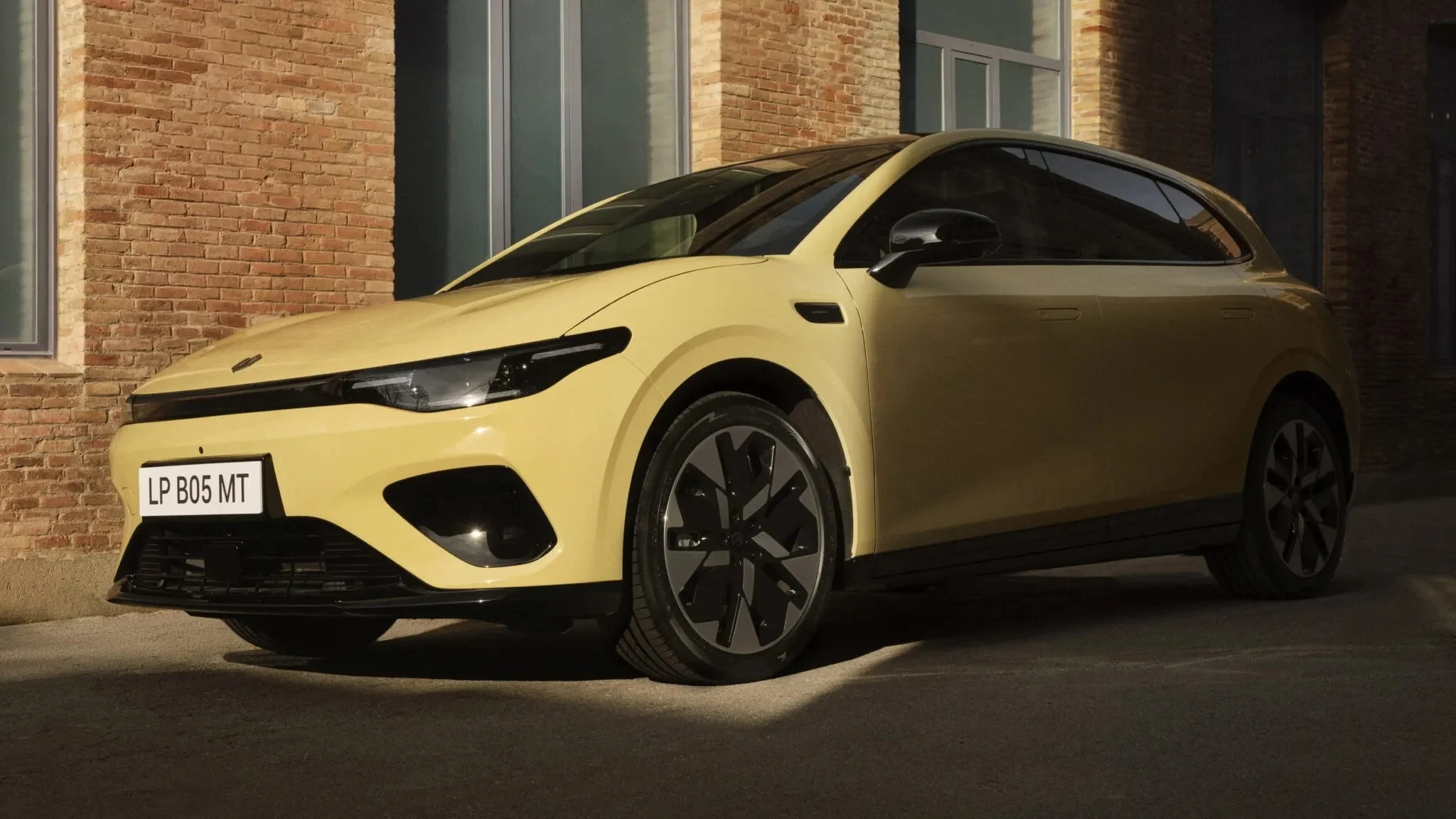
While Leapmotor has yet to launch vehicles in Canada or the United States, the brand debuted its lineup in Mexico in April, offering the C10, B10 and the compact T03. The Mexican launch serves as a proving ground that could accelerate a future North‑American rollout.
What’s next?
Industry insiders say the next steps will involve detailed feasibility studies, negotiations over labor agreements, and a clear timeline for re‑tooling the Brampton facility. If the plan moves forward, Stellantis could become one of the first Western automakers to assemble a Chinese‑designed EV on North‑American soil, reshaping the continent’s electric‑vehicle landscape.
Stay tuned as this cross‑border partnership develops and watch how it may influence the future of EV manufacturing in Canada and beyond.