
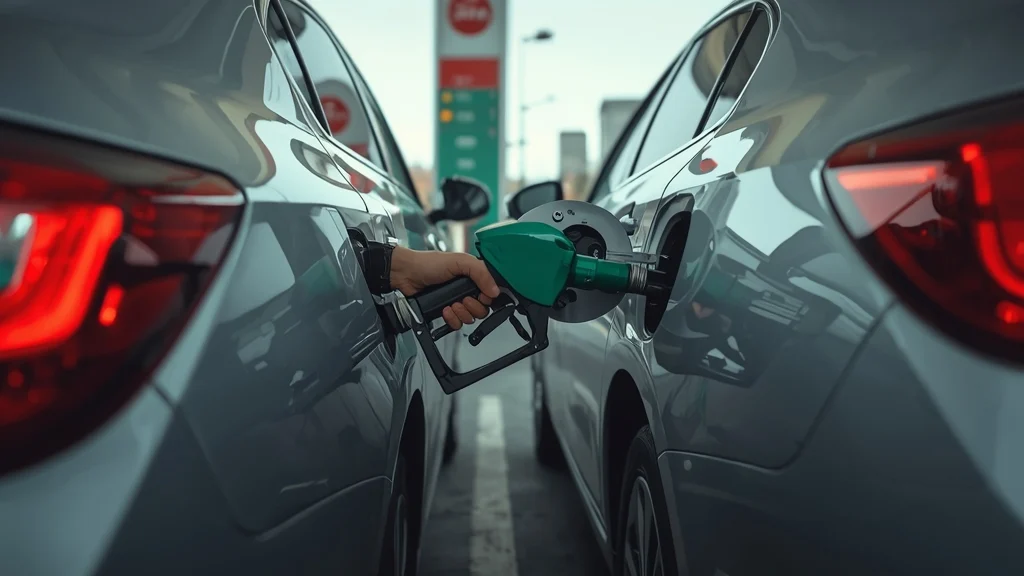
Petrolimex says draining gasoline before filling with E10 isn’t needed for most modern cars and motorcycles in Vietnam. Discover the facts and tips – read now!
Petrolimex, Vietnam’s leading fuel retailer, recently answered a frequent question on its official Facebook page: Do drivers need to completely drain the remaining gasoline before topping up with E10 bio‑fuel? Drawing on feedback from vehicle manufacturers and technical experts, the company says that for the vast majority of newer cars and motorcycles in Vietnam, emptying the tank is unnecessary.
What is E10?
E10 is a blended fuel that contains up to 10% ethanol and 90% conventional gasoline. The ethanol component helps reduce emissions, while the gasoline portion maintains performance comparable to regular fuel.
Why Draining Isn’t Required for Most New Vehicles
When you add E10 to a tank that still holds conventional gasoline, the two liquids mix uniformly as the engine runs. There is no layer separation or chemical conflict. In fact, the ethanol concentration in the tank becomes slightly lower than it would be with a tank full of 100% E10, further reducing any potential concerns.
Manufacturer Guidance
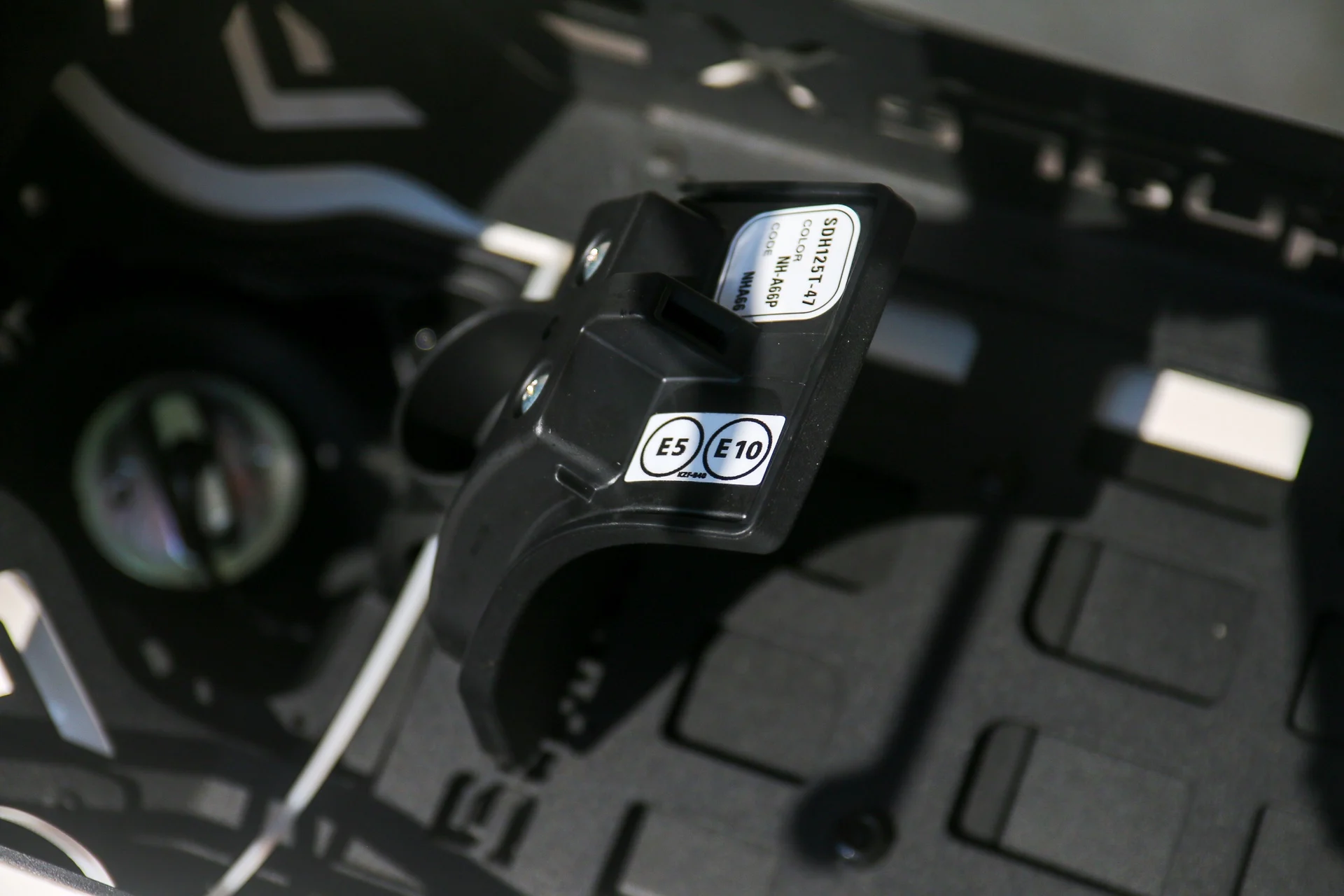
Most car and motorcycle makers now list E10 compatibility in their owners’ manuals. As long as the manual states that the model can use E10, mixing the remaining gasoline with E10 is perfectly safe. This guidance is supported by the manufacturers’ own testing and by Petrolimex’s data.
When to Be Cautious
- Very old vehicles (typically built before the year 2000) that were not designed with ethanol‑compatible fuel systems.
- A small number of newly released models that have not yet been officially tested with E10 in the Vietnamese market.
These exceptions represent a tiny fraction of the total vehicle fleet, so for most drivers the risk is negligible.
Storage Considerations
Ethanol is more hygroscopic than gasoline, meaning it absorbs moisture from the air. If a vehicle is parked idle for 1–2 months or longer, the ethanol component can retain water, which may affect fuel quality. For cars that see little use, it’s advisable to avoid letting ethanol sit in the tank for extended periods.
Tips for Low‑Mileage Owners
If you drive infrequently or own a model without a clear E10 recommendation, you may choose to drain the old fuel and replace the fuel filter before making the switch. This extra step helps ensure the smoothest possible operation once you start using E10 regularly.
Overall, Petrolimex’s message is clear: for most modern vehicles in Vietnam, you can simply top up with E10 without the hassle of a full tank drain. Enjoy the environmental benefits of ethanol‑blended fuel while keeping your ride running smoothly.