
Sweden may halt Tesla’s Full Self-Driving expansion in Europe over speed‑limit concerns. Learn the impact and what’s next – read more now!
Swedish transport authorities have signaled a strong objection to the widespread rollout of Tesla’s Full Self‑Driving (FSD) system across the European Union, unless the automaker removes a feature that can let the car exceed legal speed limits.
Background: Tesla’s FSD in Europe
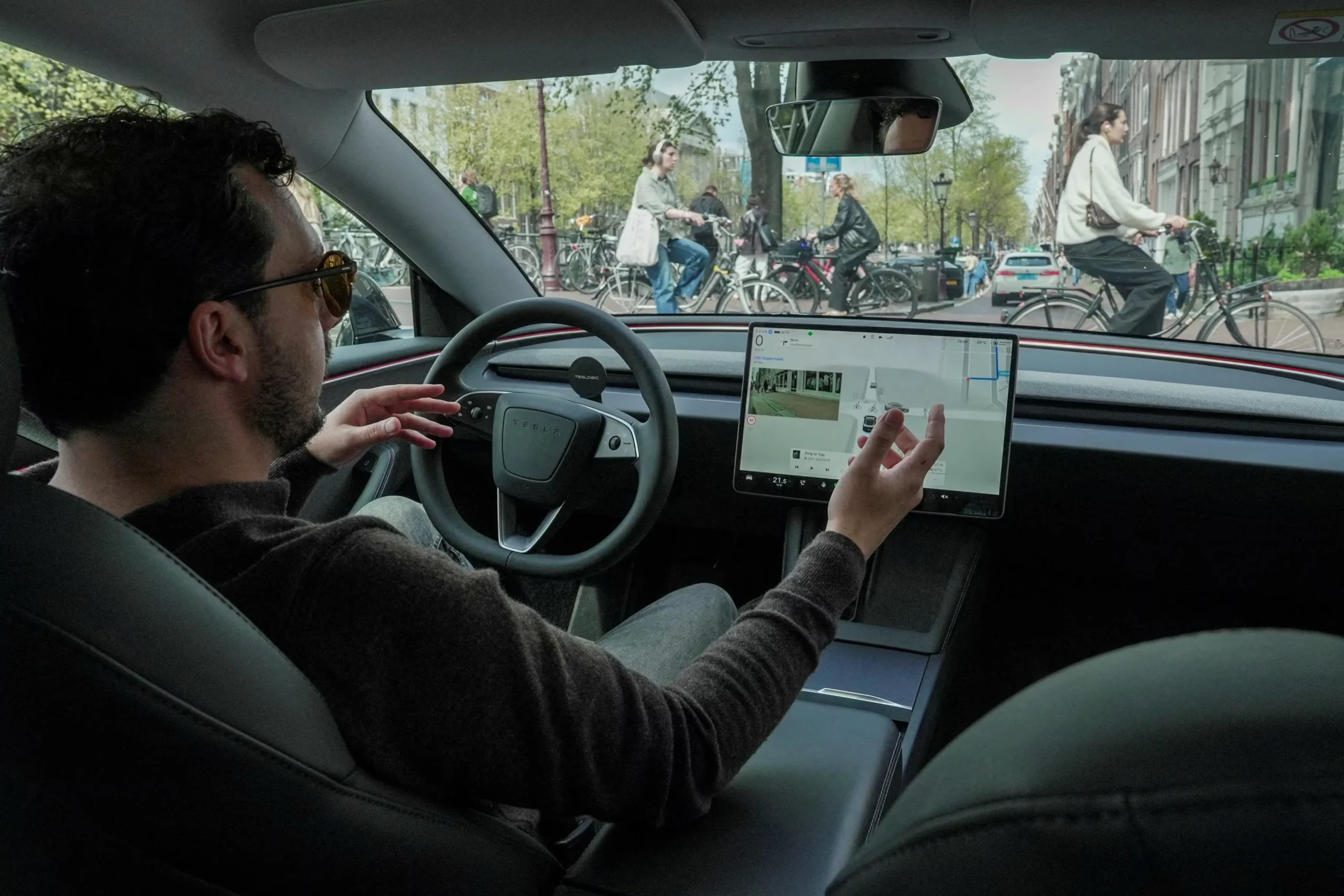
Tesla’s FSD is a driver‑assist suite that enables hands‑free operation on city streets and highways under driver supervision. Several EU members, led by the Netherlands, have already granted limited approvals, allowing owners to activate the system after a software update.
Sweden’s specific concern
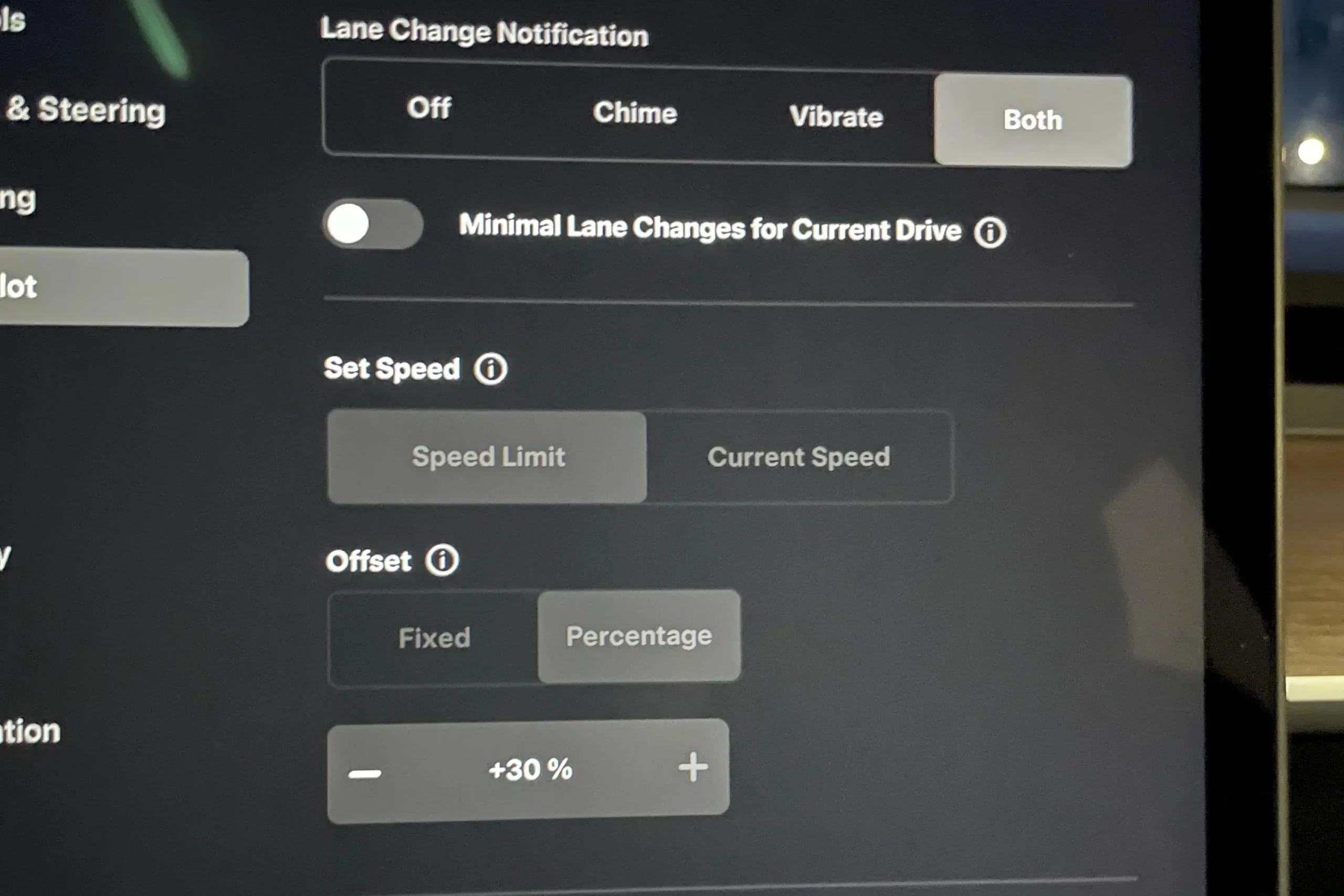
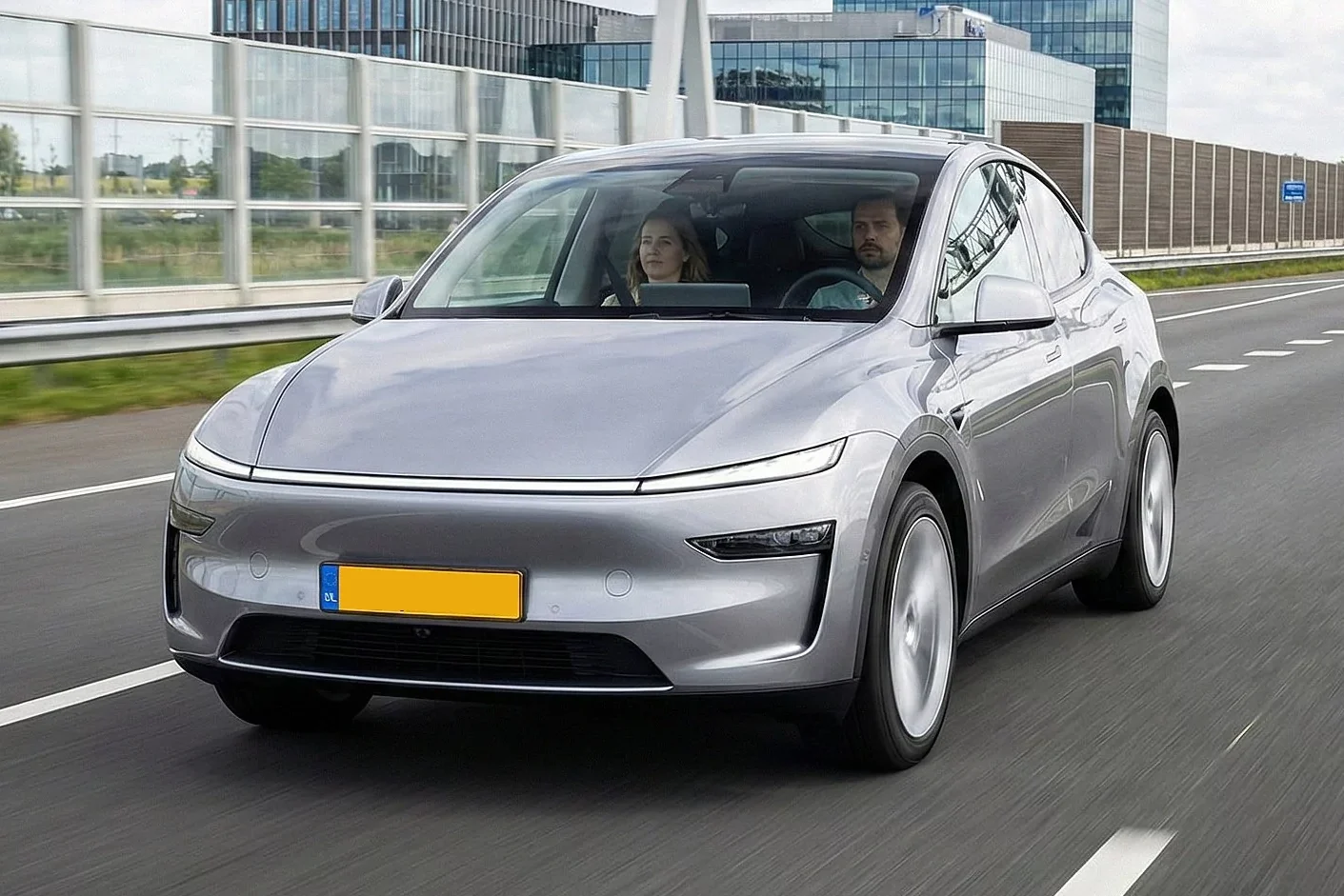
In a letter addressed to the EU Technical Committee on Motor Vehicles (TCMV), Sweden’s Transport Agency (TRV) argued that the “supervised” version of FSD should not be approved for European roads while it retains the ability to ignore posted speed limits. The agency highlighted the “Speed Offset” setting – a driver‑adjustable parameter that can raise the vehicle’s cruising speed above the legally posted limit – as a safety risk.
EU decision‑making process
The TCMV is slated to discuss the matter on 30 June, before a final vote on whether to endorse FSD EU‑wide. For the proposal to pass, at least 15 of the 27 member states must vote in favour, representing a minimum of 65 % of the bloc’s population. A rejection would likely end the temporary Dutch licence that currently allows Tesla to market FSD in the region.
Other Nordic reactions
Sweden is not alone. Finland and Norway have voiced similar worries about the speed‑offset feature, while Estonia, Lithuania, Denmark and Belgium have already approved the technology after the Netherlands’ pioneering decision. An Estonian official noted that, although speed‑limit compliance remains a concern, the country accepted FSD because the driver retains ultimate responsibility under a “supervised autonomous” model.
Potential impact on Tesla
If the EU blocks a continent‑wide rollout, Tesla could lose a strategic growth lever in a market that is rapidly being flooded by new electric‑vehicle challengers from China and traditional automakers. Conversely, a compromise that removes or disables the speed‑offset function could set a precedent for stricter autonomous‑driving standards across Europe.
What Tesla says
To date, Tesla has not issued a public response. Its user manual already advises drivers not to rely solely on the system for speed decisions and to “drive at a safe speed based on traffic conditions and road environment.” However, the company continues to market the optional “Speed Offset” as a convenience feature in the United States, where the system can, under certain conditions, exceed the posted limit.
Looking ahead
The upcoming TCMV vote will be a litmus test for how Europe balances innovation with road safety. Stakeholders from the automotive industry, consumer groups and road‑safety NGOs will be watching closely, as the outcome could shape the regulatory landscape for all advanced driver‑assistance systems (ADAS) in the EU for years to come.
Stay tuned for updates on the vote and what it means for Tesla owners and the broader autonomous‑driving ecosystem in Europe.