
Volkswagen unveils a sweeping plan to cut under‑performing models, consolidate platforms and boost profit margins. Discover what this means for the auto industry.
At its annual shareholders’ meeting, German automaker Volkswagen disclosed the next phase of a sweeping restructuring programme that targets both its workforce and its product portfolio. The plan centres on simplifying the brand’s line‑up, cutting redundant platforms and accelerating the rollout of new electric models.
Why the Cut‑Back?
Following a series of large‑scale layoffs throughout 2025, the group now wants to reduce complexity in its vehicle range. By offering fewer models and fewer trim versions, Volkswagen aims to concentrate resources on high‑volume, best‑selling cars, mirroring the lean‑line strategy recently adopted by Toyota.
Eight Core Initiatives
The restructuring is built around eight key initiatives. The first two are the most visible for consumers:
- Streamline the product portfolio: eliminate low‑performing models and focus on top sellers.
- Consolidate chassis and electric‑architecture platforms: share more underpinnings across Audi, Škoda, Seat and VW to lower development costs and speed up new‑model introductions.
Models Facing the Axe
While Volkswagen has not released a full list, several under‑performing cars have already been confirmed for discontinuation:
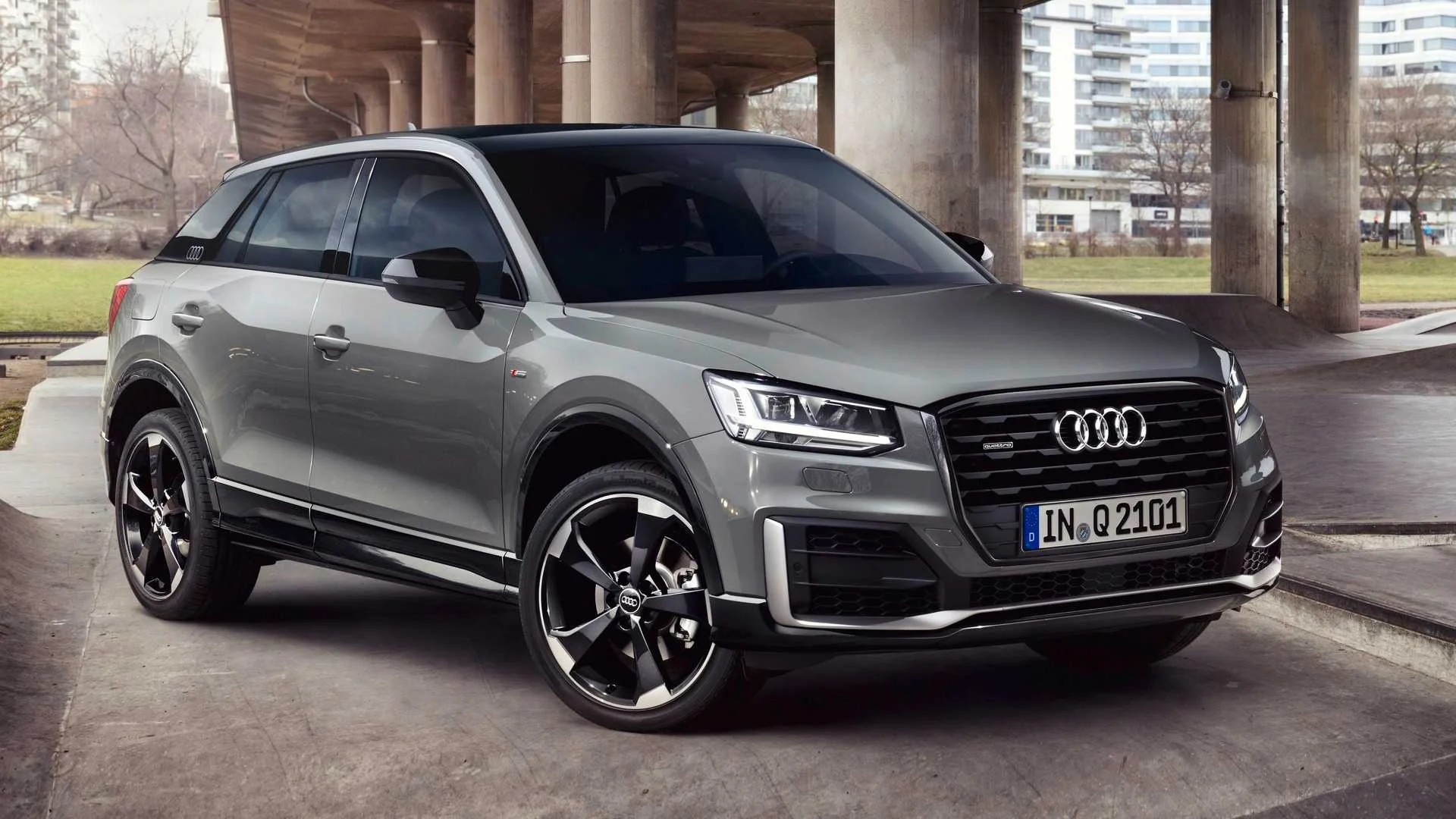
- Audi A1 and Q2 – both small‑segment models.
- Volkswagen Touran minivan.
- T‑Roc Cabriolet – slated to disappear after the 2027 model year.
These cuts are expected to free up roughly €6 billion in annual costs by 2030.
New Vehicles on the Horizon
Streamlining does not mean a slowdown in innovation. In 2025 the group launched more than 30 new models, and the 2026 roadmap adds another 20. Highlights include:
- Volkswagen ID. Polo – an electric hatchback aimed at the mass market.
- Seat Cupra Raval – a sporty crossover with a performance‑focused powertrain.
- Škoda Epiq – a sleek electric sedan.
- Audi A6 Allroad – a versatile, off‑road‑ready executive wagon.
Later in 2026, Audi plans to revive the A2 as an affordable, fully electric city car, while Škoda will debut a seven‑seat electric SUV named “Peaq.”
Financial and Workforce Impact
The restructuring is also a cost‑cutting exercise on the production side. Factory operating expenses in Germany have already been trimmed by over 20% in 2025. By the end of 2030, the Volkswagen Group, together with Audi, Porsche and software subsidiary CARIAD, expects to reduce about 50,000 jobs worldwide, with more than 28,000 contracts already terminated.
Looking Ahead
CEO Oliver Blume warned that the coming years are decisive for the group’s future. By consolidating platforms, shedding low‑margin models and accelerating electrification, Volkswagen hopes to lower fixed costs, improve net profit margins and stay competitive in an increasingly crowded global automotive market.