
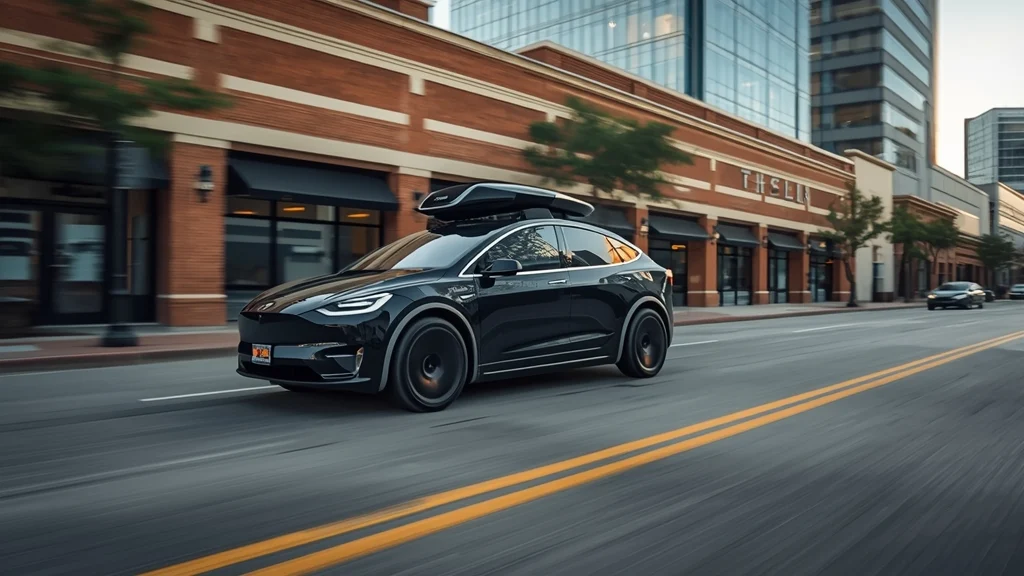
Tesla’s fully driverless Cybercab has hit Austin streets for its first technical trials, marking a milestone for robotaxi technology. Learn more now!
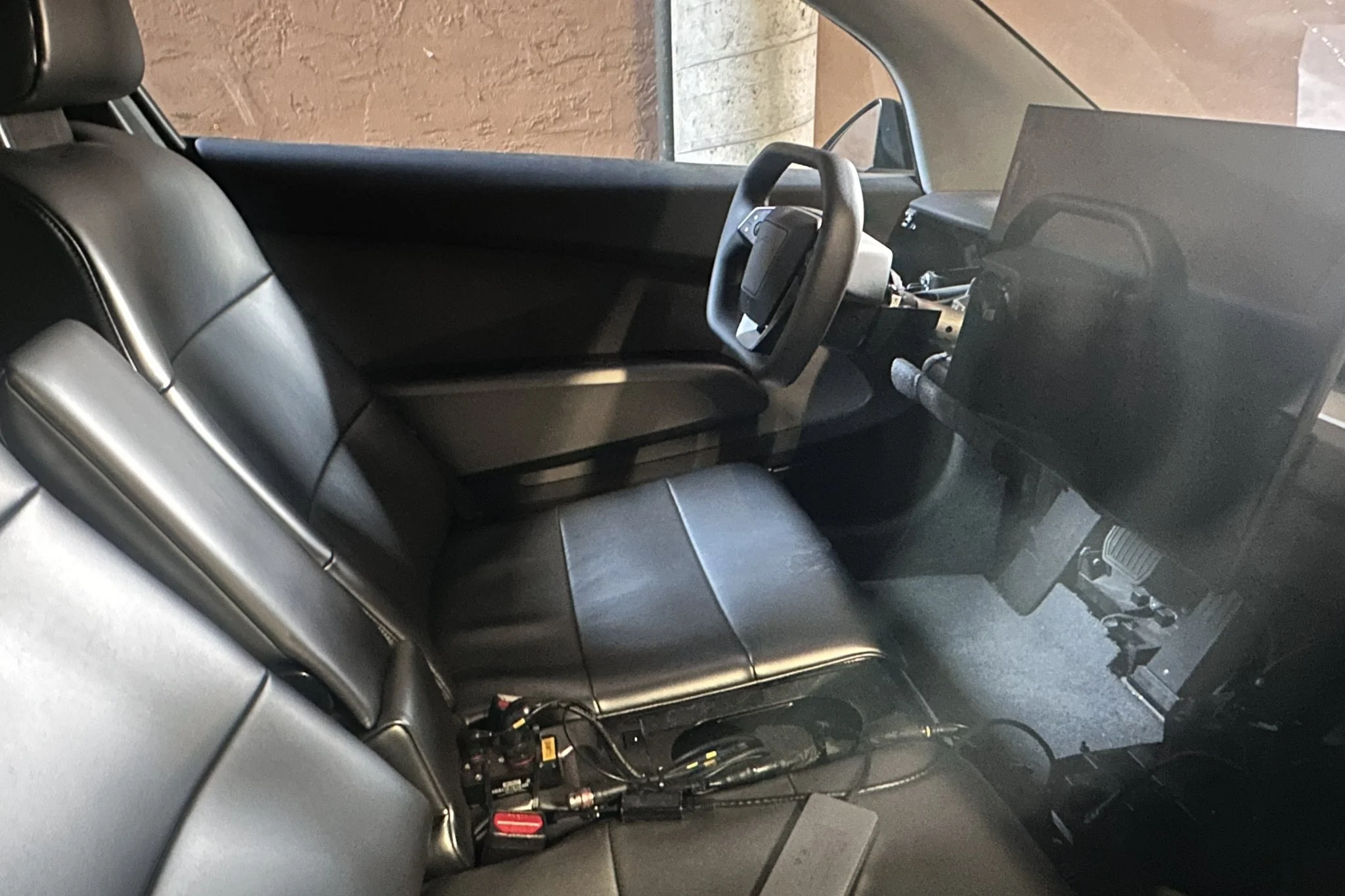
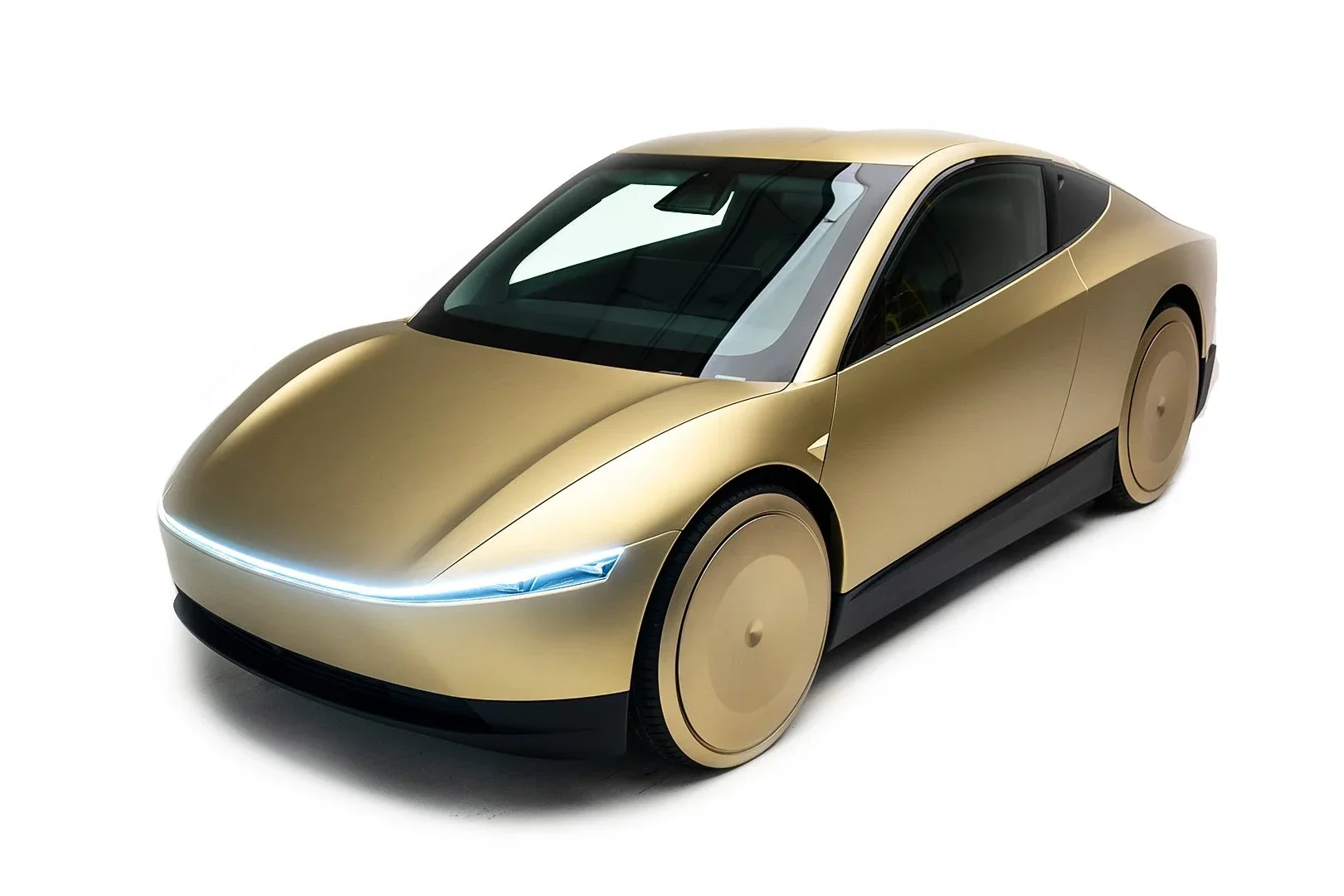
Tesla has taken the first production‑grade Cybercab units onto the streets of Austin, Texas, to begin technical road testing. Unlike earlier prototypes, these vehicles are completely driverless – they have no steering wheel, accelerator pedal, brake pedal or traditional control column.
From Prototype to Full‑Scale Robotaxi
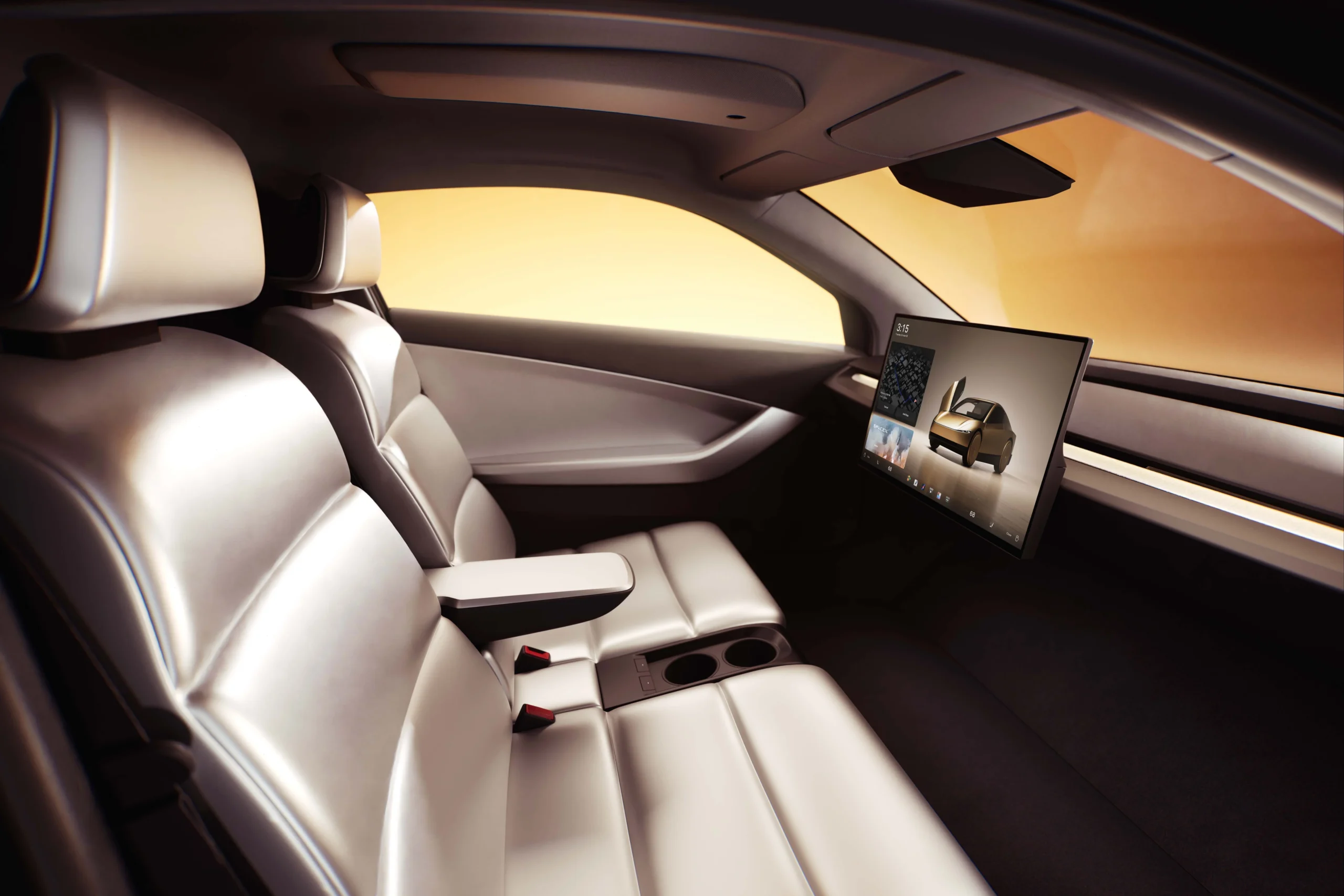
The Cybercab was conceived as a purpose‑built robotaxi from the ground up. Its interior is a spacious, lounge‑style cabin designed for passengers, while the exterior houses an array of sensors, cameras and lidar that enable full autonomy without any human input.
Why the Change Now?
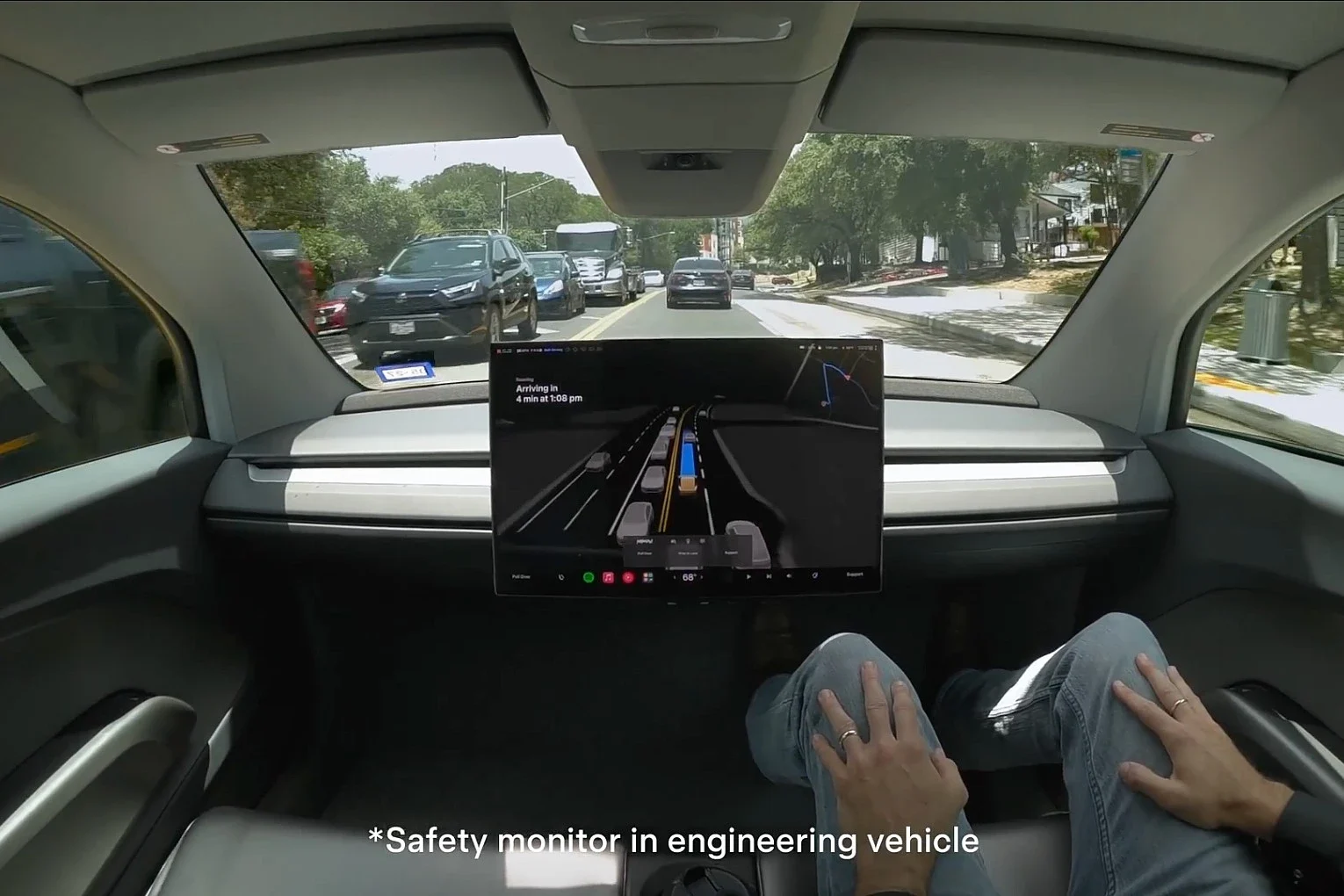
Previous Tesla test fleets still featured a steering wheel and pedals to satisfy current U.S. regulations. Those interim controls gave engineers a safety fallback while the regulatory framework caught up with the technology. The latest Austin rollout shows Tesla moving past that compromise toward a truly hands‑free design.
Regulatory Landscape Shifts
The Federal Motor Vehicle Safety Standards (FMVSS), overseen by the National Highway Traffic Safety Administration (NHTSA), have traditionally required autonomous vehicles to retain basic driver controls when operating on public roads. Recent NHTSA draft revisions propose removing the mandatory brake‑pedal requirement for certain classes of self‑driving cars, opening the door for designs like the Cybercab.
According to an NHTSA spokesperson, the United States must adapt its oversight approach to stay at the forefront of autonomous‑vehicle innovation. The agency plans to eliminate unnecessary barriers while preserving core safety and liability standards for developers.
Step‑by‑Step Approval Process
Even with the regulatory shift, Tesla must still follow a phased testing and permitting process. Each vehicle undergoes rigorous technical validation before it can receive a public‑road operating permit. The company shared a 27‑second video on X (formerly Twitter) showing the Cybercab cruising through downtown Austin, confirming that the first production units have cleared initial safety checks.
Industry Implications
The appearance of a wheel‑less, pedal‑free taxi on U.S. streets is a landmark moment for the robotaxi sector. It signals a transition from retrofitting conventional cars with autonomous software to designing vehicles whose very architecture is centered on driverless operation.
- Fully autonomous design eliminates driver‑related wear and tear.
- Potential for lower operating costs and higher passenger capacity.
- Sets a precedent for future regulatory updates worldwide.
- Accelerates the rollout timeline for commercial robotaxi services.
As Tesla continues its phased rollout, the automotive world will be watching closely to see how quickly fully driverless taxis can move from test lanes to everyday streets.