
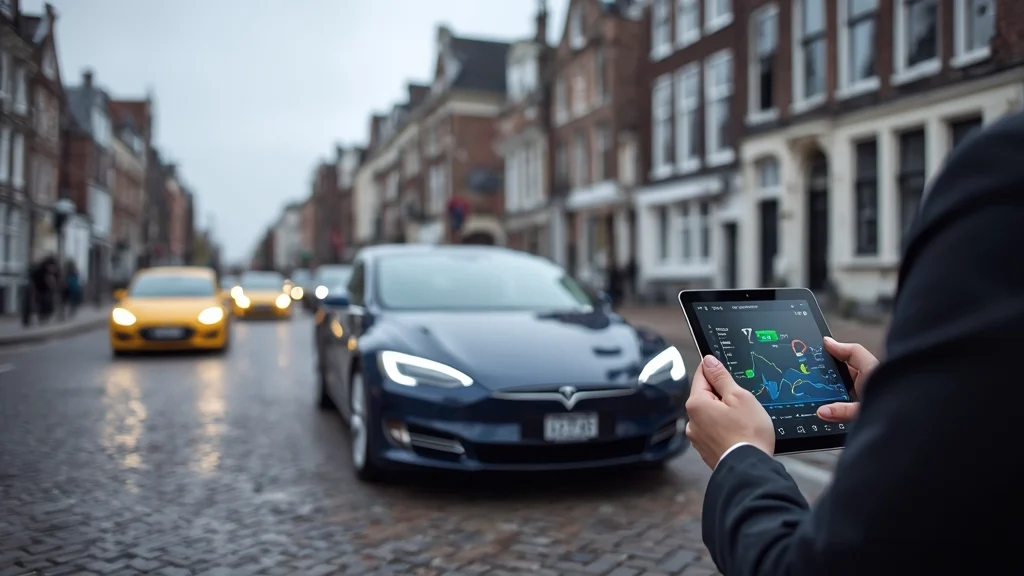
European regulators question Tesla’s self‑driving safety data, alleging misleading comparisons. Discover the details and what it means for drivers – read on.
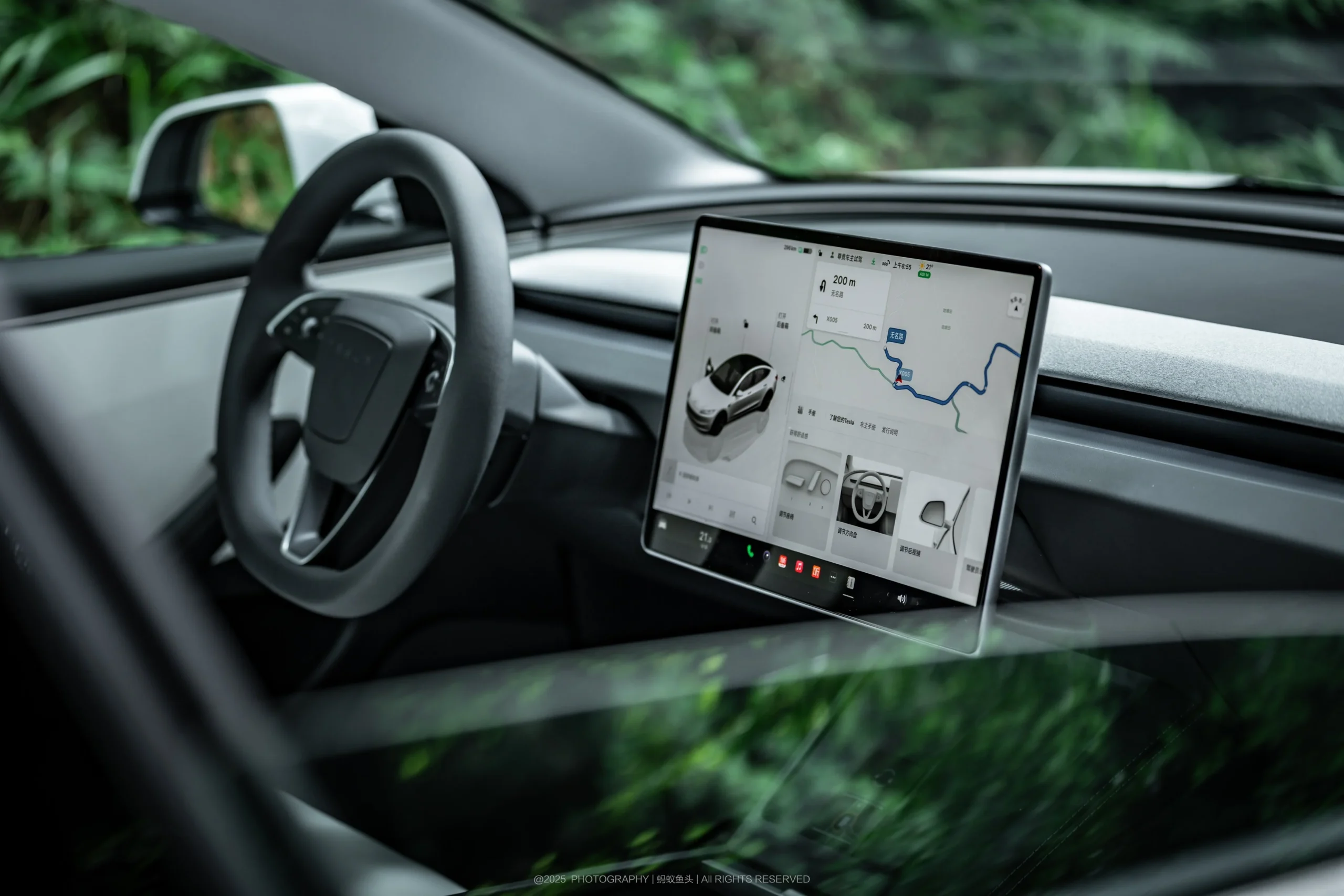
Tesla is facing fresh scrutiny from European regulators after it allegedly used self‑published safety figures for its Full Self‑Driving (FSD) system in a way that could mislead officials during the approval process. Independent traffic‑safety researchers say the data rely on incompatible comparisons and unrealistic assumptions, raising doubts about the touted safety advantage of Tesla’s autonomous‑driving technology.
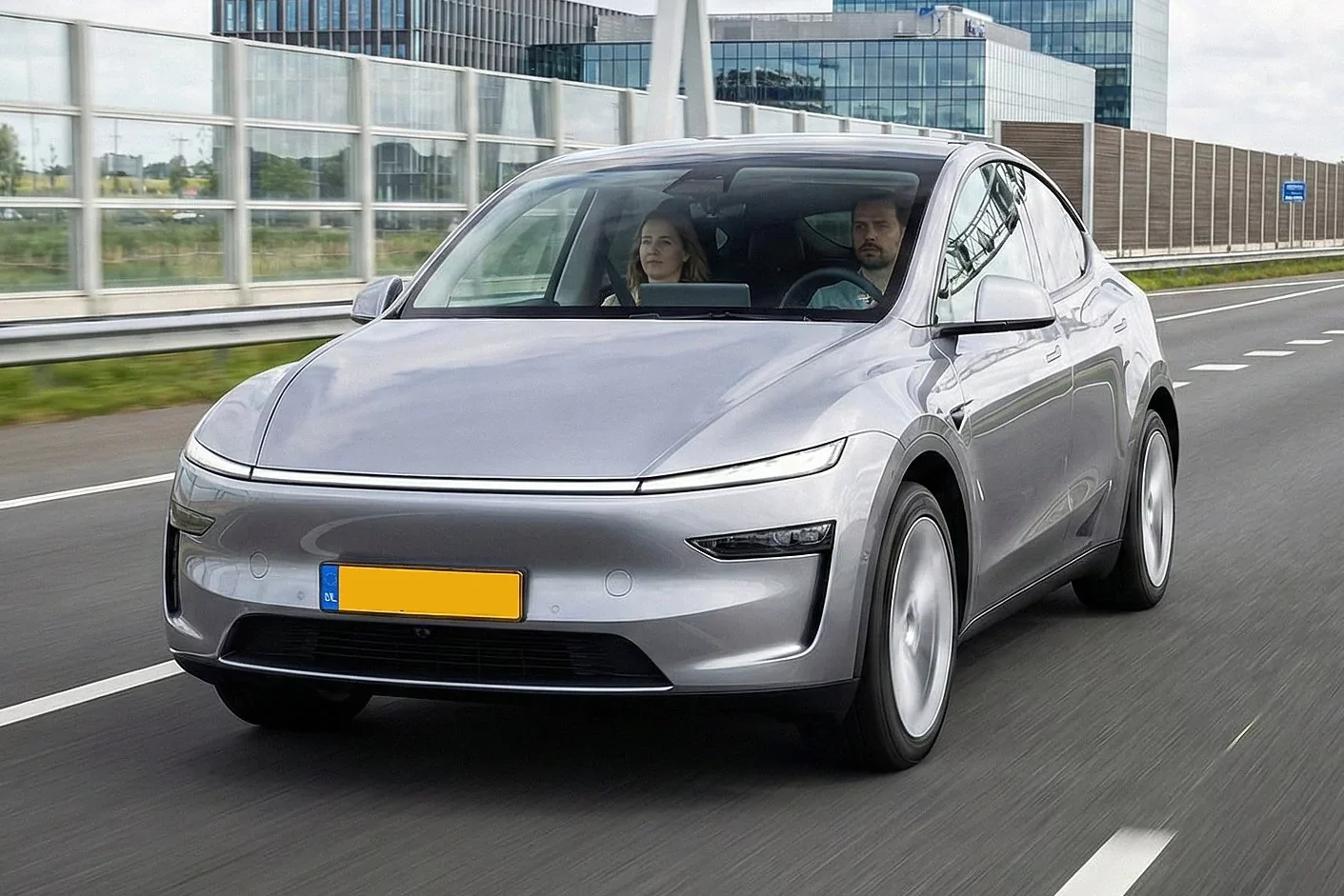
Why Tesla Wants EU Approval
Seeking to expand its market share, Tesla has submitted safety statistics to authorities in the Netherlands and Sweden as part of its bid to obtain broader EU clearance for FSD. The company argues that wider adoption of the system would make public roads safer, and it backs this claim with links to internally generated safety reports.
Regulators Respond
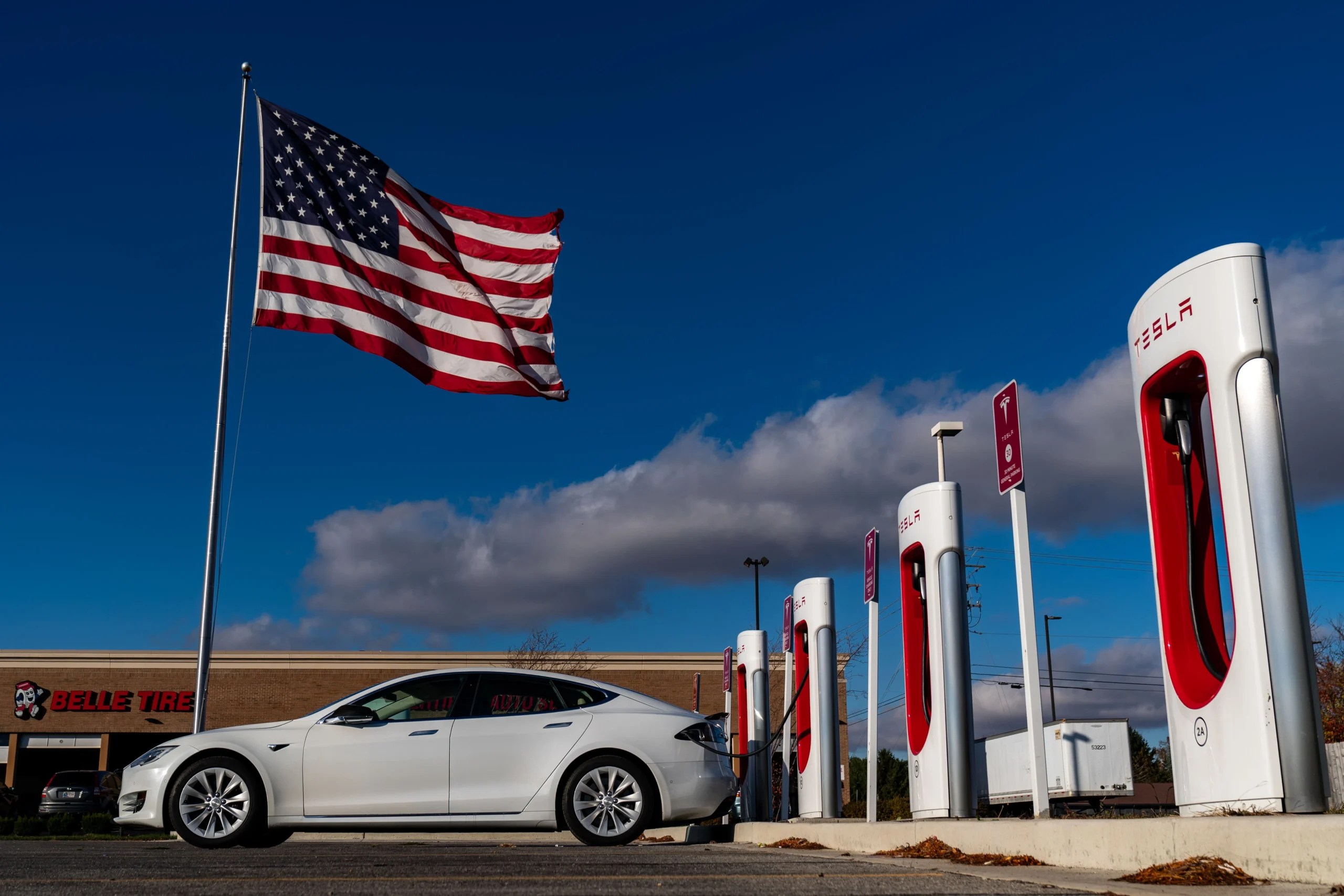
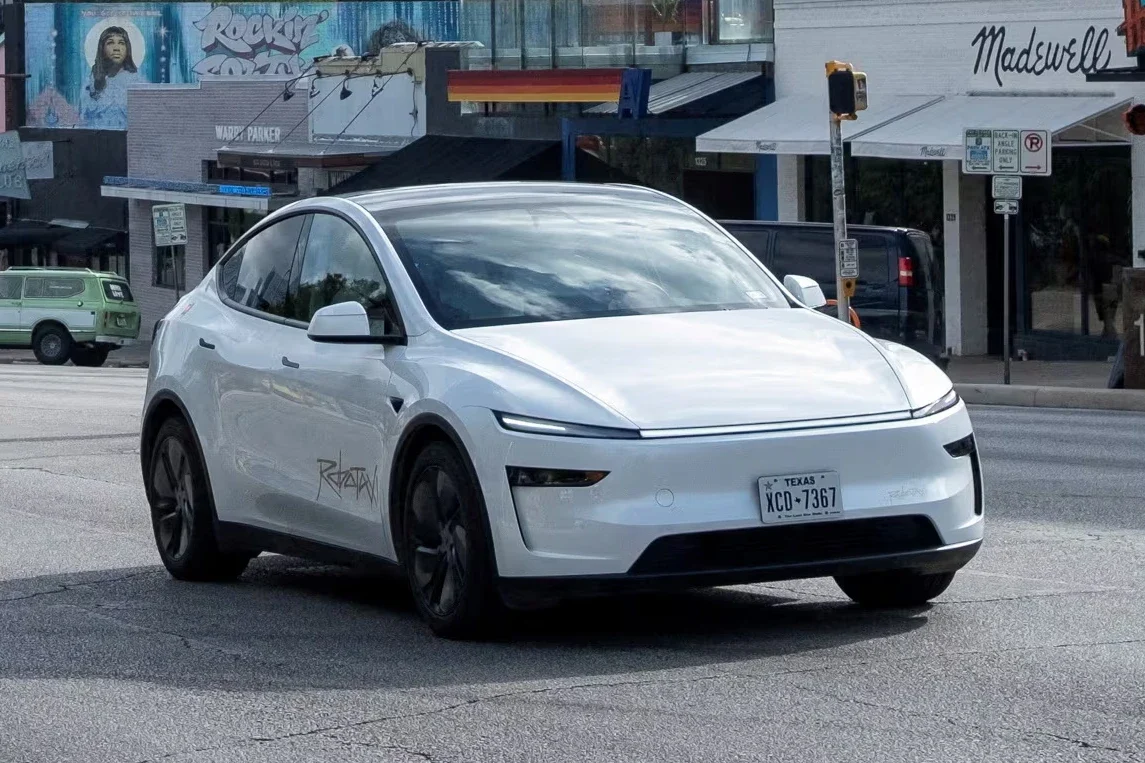
The Dutch vehicle authority (RDW) received Tesla’s data in late 2024. After a year of testing and analysis, RDW approved FSD for use in the Netherlands in April 2025 and is now pushing for an EU‑wide rollout. However, the agency stressed that it did not rely on Tesla’s marketing statements; instead, it conducted its own road‑testing, data analysis, and public‑road evaluations.
Sweden’s Transport Agency, meanwhile, declined to comment directly on Tesla’s figures but emphasized that any assessment must be based on a comprehensive body of evidence, not just aggregated numbers.
What’s Wrong With the Numbers?
According to Reuters, Tesla’s internal reports compare the accident rate of vehicles operating with FSD against the average accident rate of all U.S. vehicles – a mix that includes older, less‑equipped cars and even trucks. This “apples‑to‑oranges” approach inflates the perceived safety benefit because Tesla’s fleet is generally newer and equipped with advanced safety hardware.
In addition, Tesla juxtaposes air‑bag deployment incidents in FSD mode with overall crash statistics for all vehicles, ignoring the severity differences between minor fender‑benders and serious collisions.
Researchers also point out that bold claims such as “FSD could save 32,000 lives and prevent 1.9 million injuries” assume that every vehicle on U.S. roads – including heavy trucks and older models – would be replaced by a Tesla equipped with FSD. Experts deem this scenario highly unrealistic.
EU Safety Committee Raises Concerns
The European Transport Safety Committee warned that data not independently verified could influence policy decisions. It called for third‑party validation of any safety claims, preferably by academic institutions or neutral research bodies.
Market Pressures Behind the Push
For Tesla, securing EU approval is crucial to reviving sales after a dip in the previous year and to counter fierce competition from Chinese electric‑vehicle makers that are gaining ground in Europe. A unified EU endorsement would allow Tesla to market FSD across member states, potentially boosting revenue and market share.
How the EU Approval Process Works
Under EU regulations, a majority of member states must agree before a technology like FSD receives bloc‑wide certification. Individual countries, however, can grant provisional approvals while the collective decision is pending. Greece, for example, has voiced support, citing U.S. data that suggest a reduction in accidents, whereas Norway’s transport authority cautioned that Tesla’s self‑published figures are hard to reconcile with national crash statistics.
Looking Ahead
The gap between Tesla’s self‑reported safety metrics and the rigorous standards of European regulators is widening. As the EU moves toward a potential continent‑wide rollout of autonomous‑driving features, transparency and methodological soundness will likely become decisive factors in the final approval.
Stakeholders—from policymakers to everyday drivers—should keep a close eye on how the debate over data integrity evolves, as it will shape the future of self‑driving technology on European roads.