
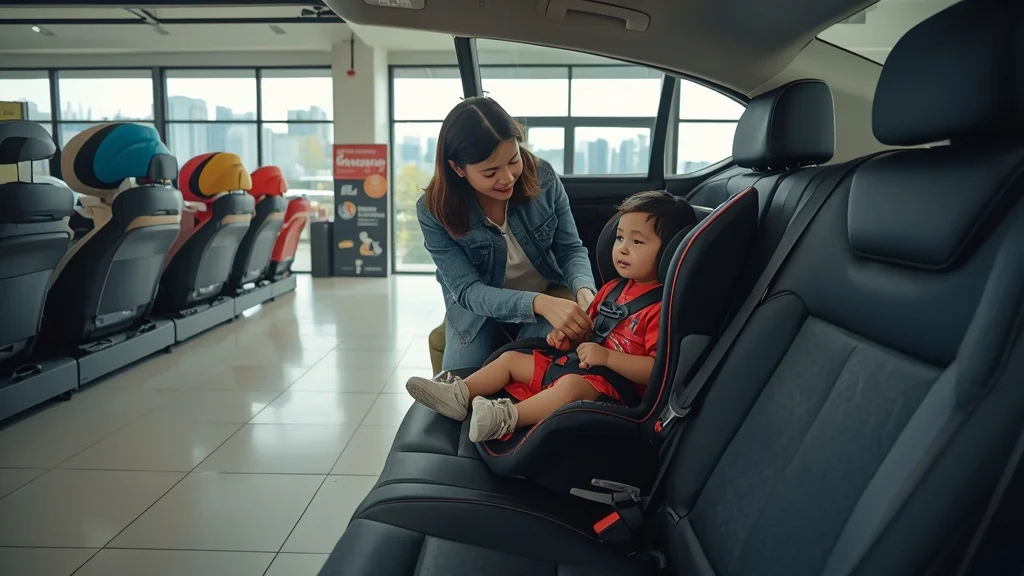
Car seat sales in Vietnam skyrocket as a July safety law takes effect—discover trends, prices, and top picks. Learn more now!
Across social media groups and parenting forums, the phrase “child car seat” has become a buzzword in Vietnam. The hype is no coincidence – less than two weeks away, a new traffic safety regulation will require children under 10 years old and shorter than 135 cm to ride in the rear seats with an approved safety device.
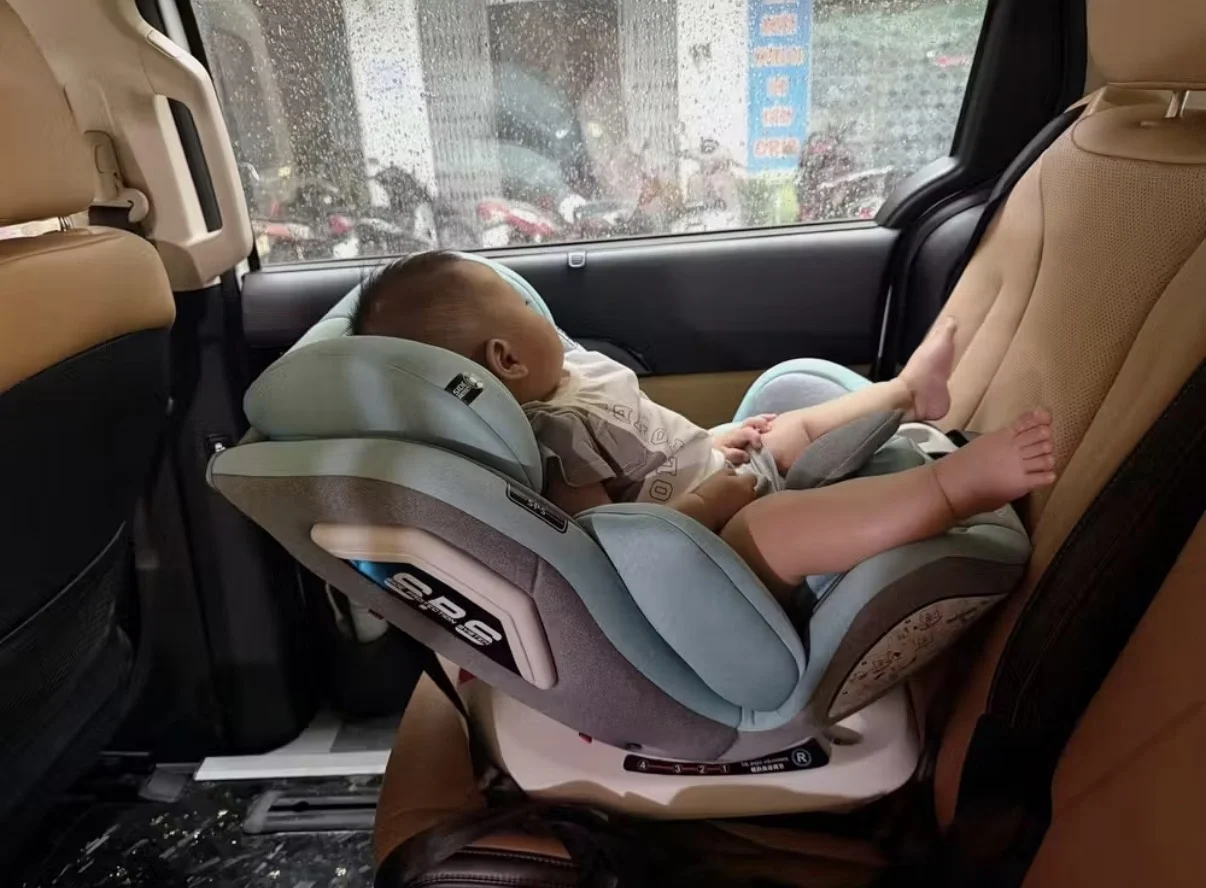
New Regulation Set to Change Car Seat Use
Effective July 1, the Law on Traffic Safety Order mandates rear‑seat placement and the use of a certified child restraint system for eligible children. Non‑compliance can result in fines ranging from 800,000 to 1,000,000 VND. The impending deadline has sparked a nationwide rush to purchase compliant seats.
Sales Surge Across All Price Segments
Since the start of June, retailers that specialize in baby gear have reported a noticeable uptick in foot traffic and online inquiries. Stores that previously focused on strollers and cribs are now dedicating shelf space to child car seats and booster cushions.
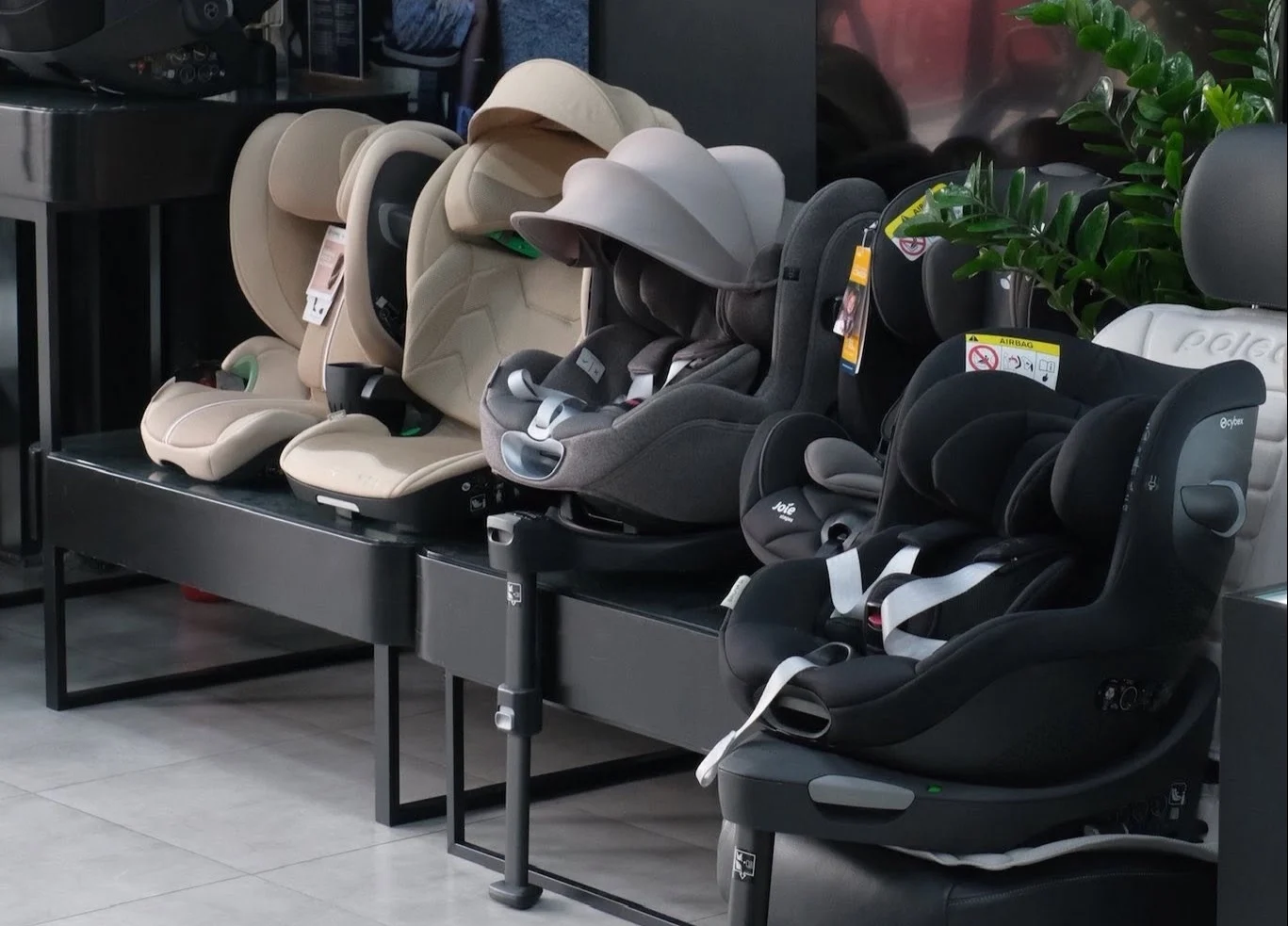
Typical price points for mainstream models range from 2 million to 4 million VND per unit, featuring brands such as Jovikid, Reebaby, Chilux, Animo, and Joie. According to Ngọc Hạnh, a sales consultant at Bình An Baby Supplies in Ho Chi Minh City, “During the last weekend we sold six seats in a single evening – a volume we hadn’t seen in months.”
Premium Seats Over $400 Attract Buyers
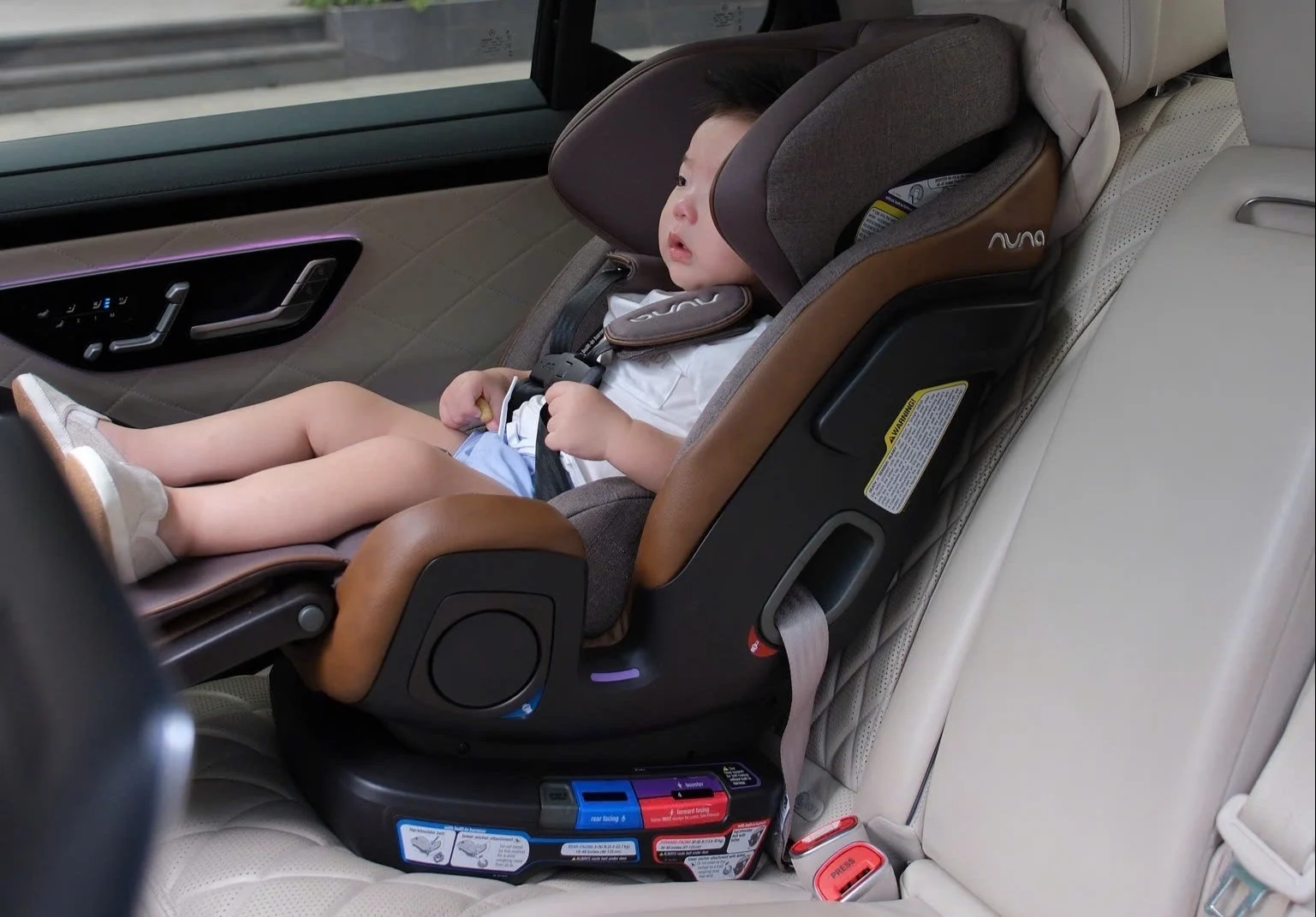
Higher‑end seats, priced above 5 million VND (roughly $200), have also seen a surge. International brands like Nuna, Masi Cosi, and Cybex dominate this segment and are distributed in Vietnam through exclusive partners.
Lan Vy, owner of the VinaQuick chain that carries Nuna and Cybex, noted that in the first week of June her stores moved more than 100 premium seats – a record for that price tier. “Vietnamese parents are willing to spend over 10 million VND for a seat that guarantees safety,” she explained.
Booster Seats Gain Popularity
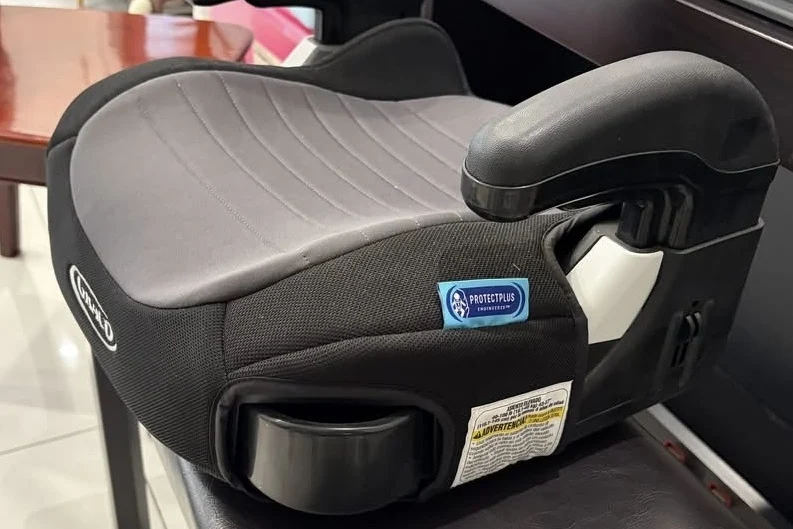
Booster cushions, often called “boosters,” are designed for children aged 3–12 years. They are simpler than full‑size seats – typically equipped with a backrest and an ISOFIX attachment, but lacking side‑impact protection or a 360° rotating base. Their streamlined design keeps prices lower, usually between 1.5 million and 2 million VND, making them attractive to budget‑conscious families.
- Easy to install with ISOFIX
- Lightweight and portable
- Suitable for cars with limited rear‑seat space
360‑Degree Rotating Seats: Convenience vs. Space
Rotating seats, which can swivel toward the car door, are popular for their convenience. They are available from entry‑level to premium lines and typically serve children from newborn to 4 years old. Because a rotating base adds a separate platform beneath the seat, these models are bulkier and often cost several hundred thousand to a few million VND more than their fixed‑seat counterparts.
Most international brands (Cybex, Nuna, Joie) can be installed on three rear seats of an SUV or MPV, but the 360° versions usually occupy more width, limiting their fit on narrower vehicles. Parents with compact cars may therefore prefer a standard seat or a booster.
Tips for Parents Choosing the Right Seat
- Check compliance. Look for a VND‑approved safety label and ISOFIX connectors.
- Match the seat to your child’s size. Use height and weight limits rather than age alone.
- Consider your vehicle’s layout. If rear‑seat space is tight, a booster or a non‑rotating seat may be more practical.
- Budget wisely. While premium seats offer advanced features, many mid‑range models meet safety standards at a fraction of the cost.
- Try before you buy. Most stores allow children to sit in the seat to test comfort and fit.
With the July deadline looming, Vietnamese families are acting quickly to secure the safest ride for their little ones. Whether you choose a basic booster or a high‑tech rotating seat, the key is to install it correctly and use it every trip.