
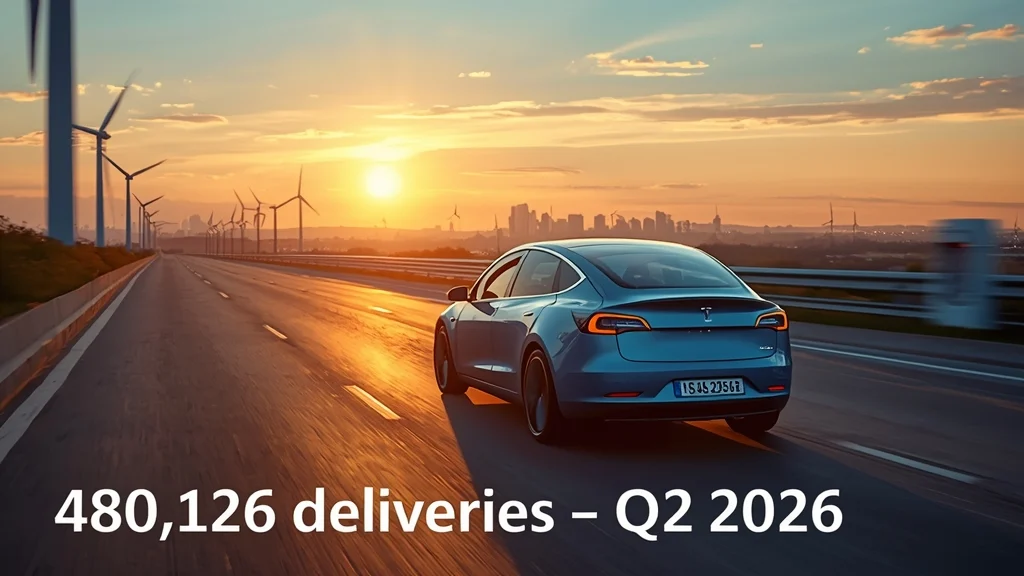
Tesla posted a record 480,126 vehicle deliveries in Q2 2026, driven by a European rebound. Discover the impact and what’s next for the EV leader.
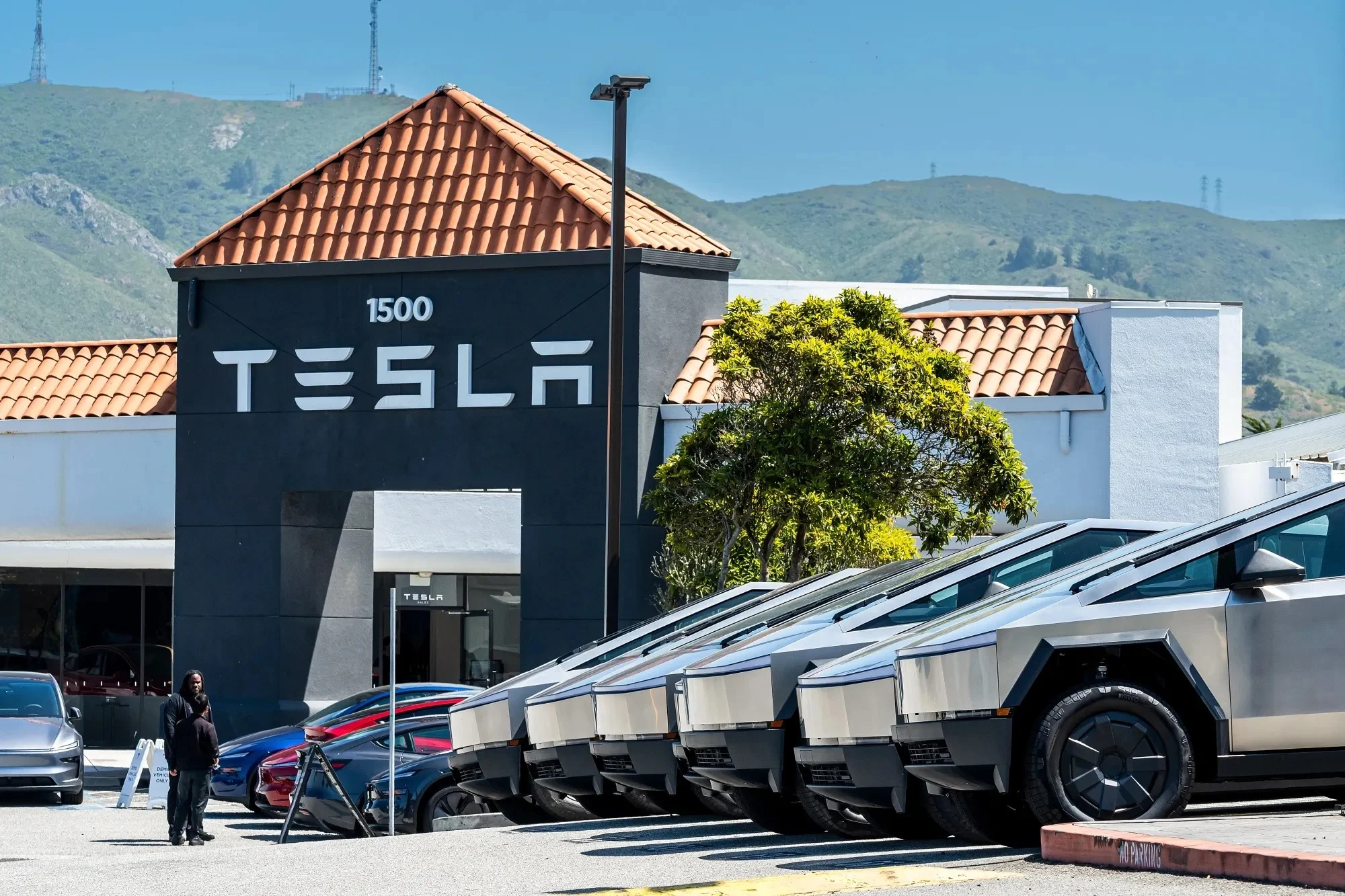
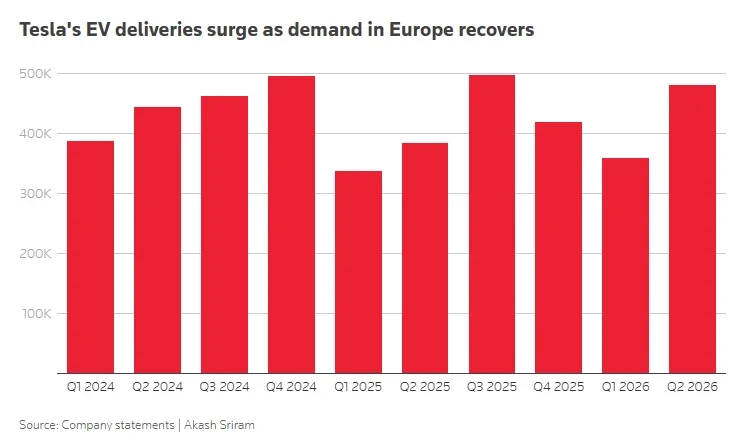
Tesla announced its Q2 2026 results this week, revealing a historic 480,126 vehicles delivered – a 25% jump from the same period last year and well above analysts’ consensus forecast of 402,776 units. The surge marks the highest quarterly delivery figure in the company’s history and underscores a strong comeback in Europe.
Record‑breaking Numbers
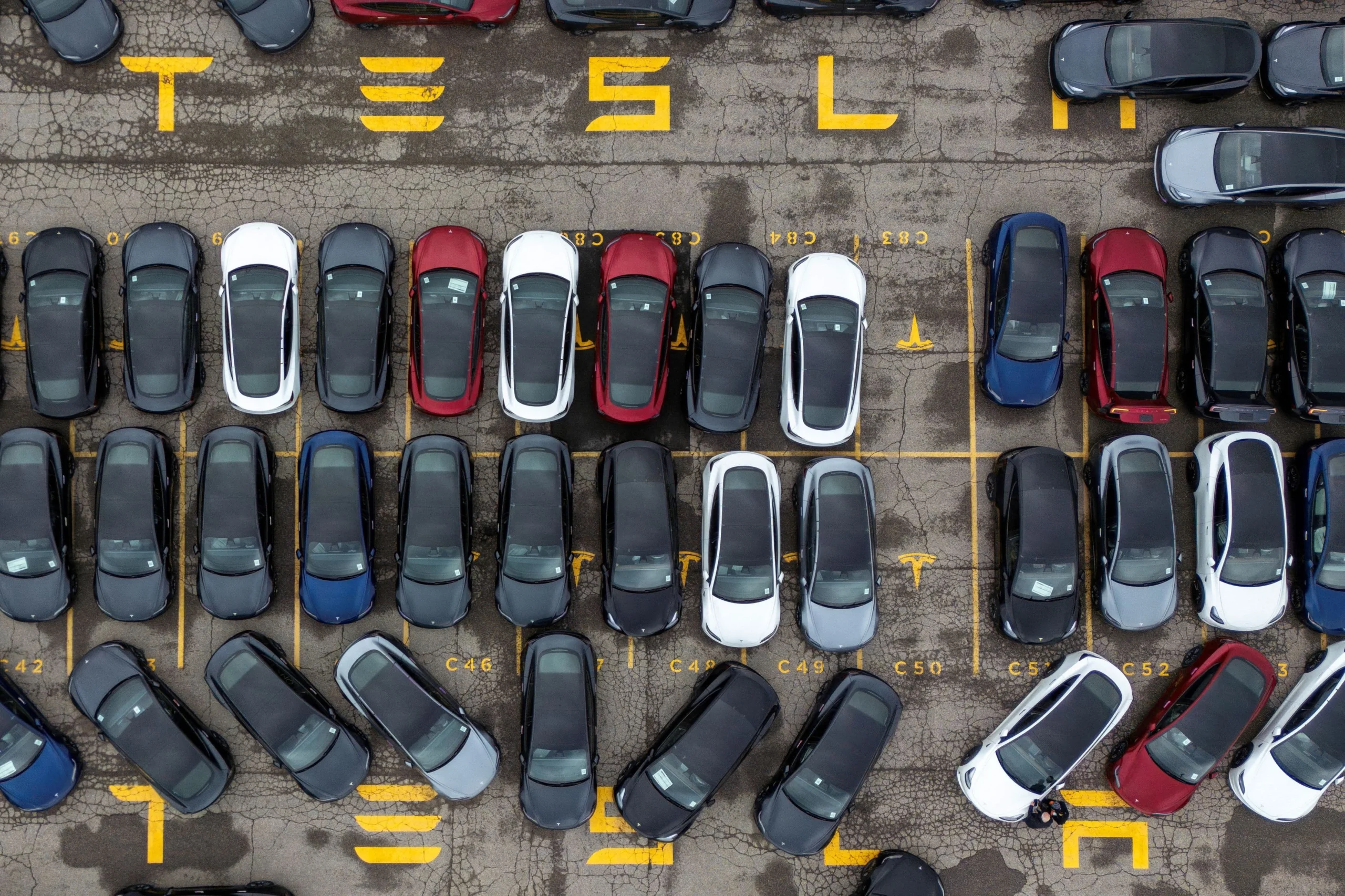
While the company produced 451,758 cars during the quarter, the delivery gap of more than 28,000 units indicates that Tesla cleared a sizable inventory backlog from Q1 2026. The robust delivery pace helped offset a modest dip in U.S. sales and provided a much‑needed lift to the automaker’s core revenue stream.
Why Europe Is Driving the Upswing
Several factors converged to fuel the European rebound:
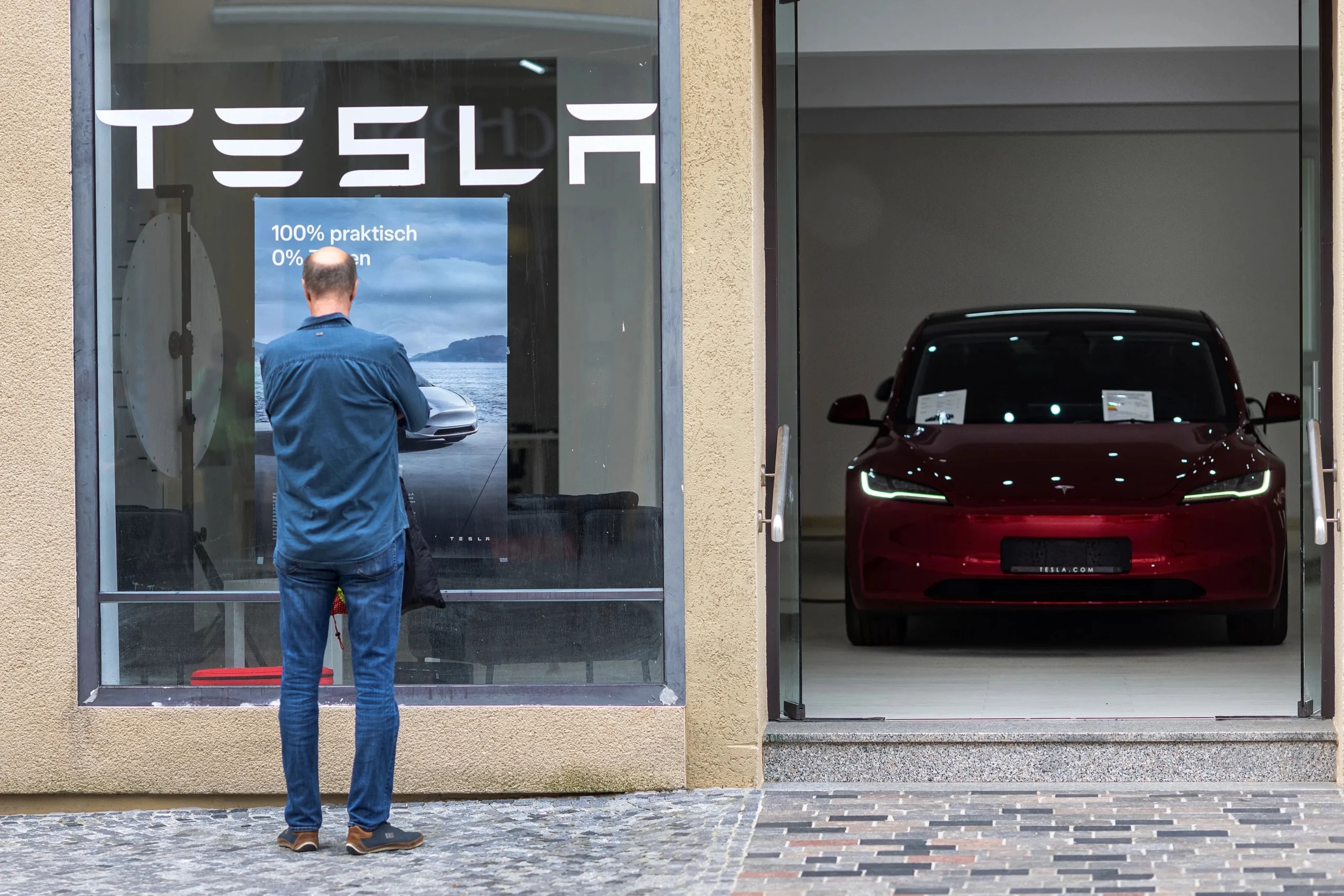
- Rising fuel prices have accelerated the shift toward electric mobility.
- Generous EV subsidies and tax incentives remain in place across key markets.
- Corporate fleets are electrifying faster than expected.
- Consumer backlash over Elon Musk’s political statements has softened, restoring brand goodwill.
Morningstar senior equity analyst Seth Goldstein called Europe “the most important growth engine for Tesla right now.” He noted that while U.S. sales are still declining – albeit at a slower rate than the broader EV market – growth in China remains modest.
U.S. and China Outlook
In the United States, the phase‑out of federal tax credits for EVs at the end of 2025 continues to weigh on demand. Tesla’s recent price cuts on the Model 3 Standard and Model Y Standard, coupled with attractive financing packages, have helped mitigate the impact, but analysts remain cautious.
In China, a refreshed Model Y and ongoing production at the Shanghai Gigafactory have lifted sales, yet competition from BYD and other domestic players keeps the market fiercely contested.
Product Strategy: Model Y L and New Variants
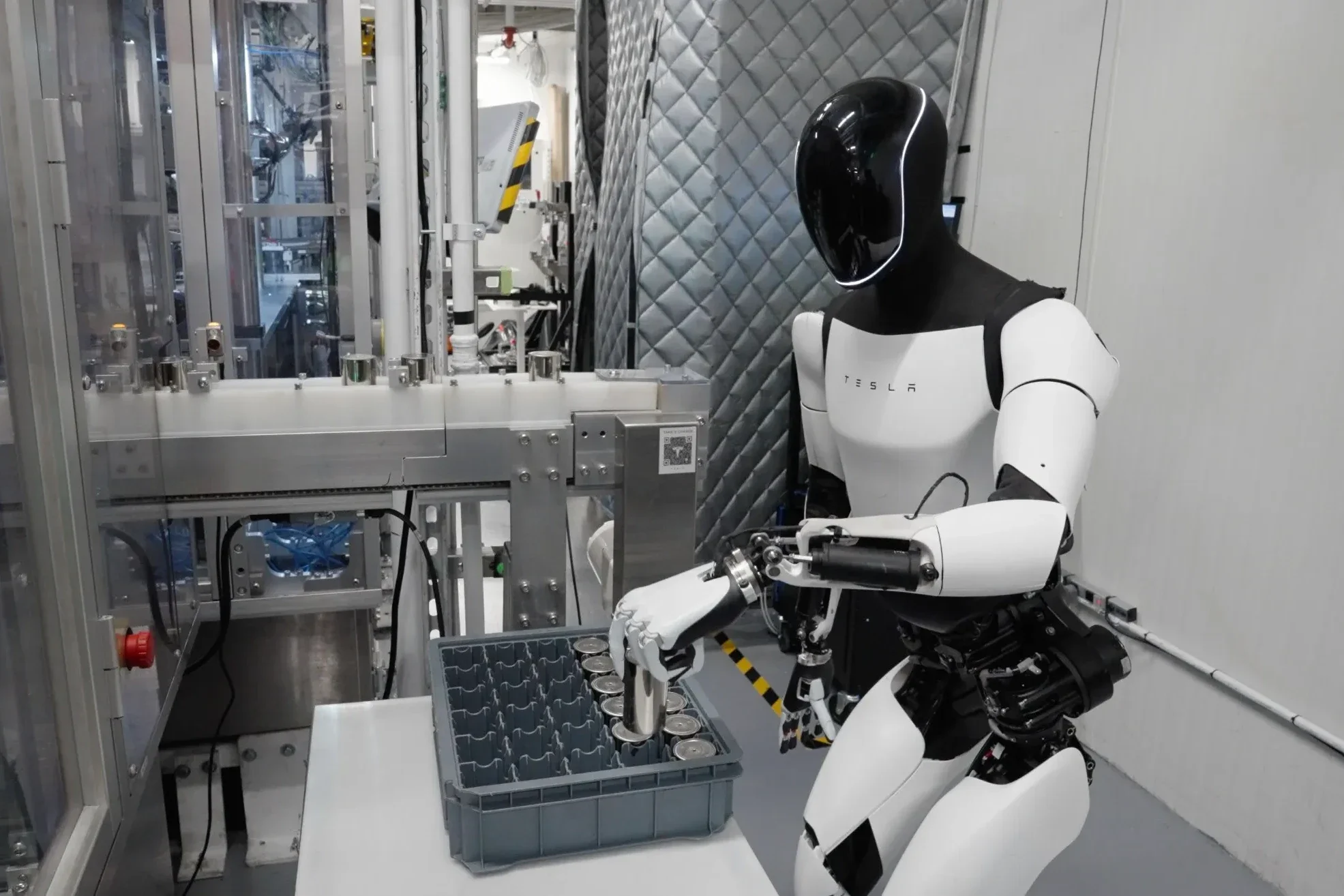
Tesla recently unveiled the Model Y L for the U.S. market – a longer‑wheelbase SUV with three rows of seats and a six‑passenger configuration. The model previously boosted Chinese sales and is expected to revive demand in North America.
Betting Big on AI, Robotics and New Manufacturing
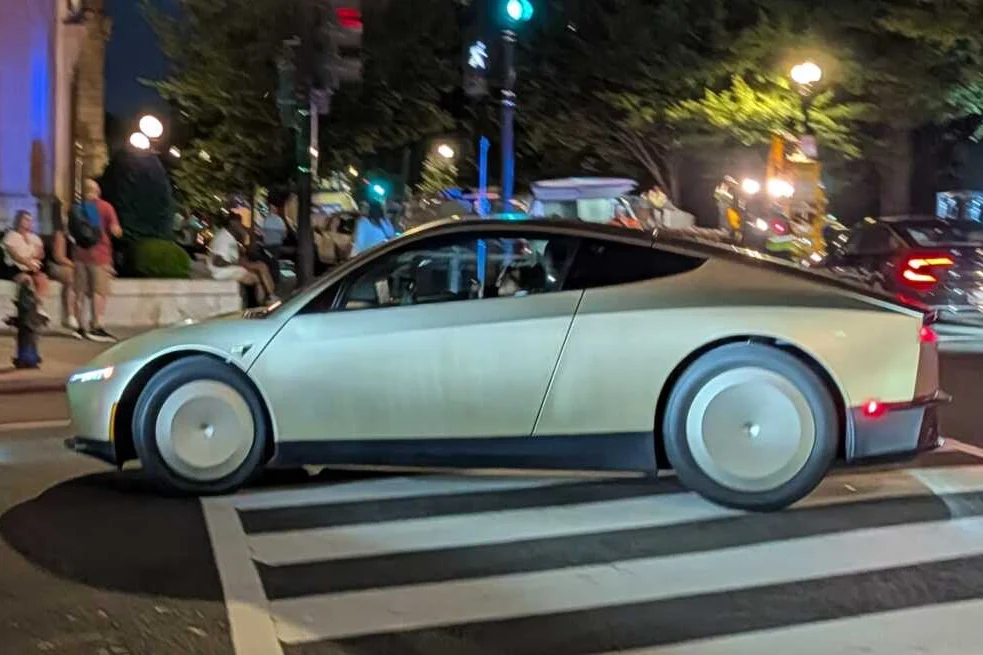
The company plans to invest more than $25 billion in capital expenditures for 2026, nearly three times the $8.5 billion spent in 2025. The budget targets three pillars:
- Expansion of AI infrastructure to support Full Self‑Driving (FSD) and future robotaxi services.
- Scaling up battery production capacity.
- Building the production line for the autonomous Cybercab and the humanoid Optimus robot.
FSD software is already rolling out in select European countries, and analysts expect a broader launch in the coming months, which should further stimulate vehicle sales.
Stock Reaction and Analyst Sentiment
Despite the delivery beat, Tesla shares slipped about 7% after the earnings release. The decline reflects that much of the good news had already been priced in – the stock had risen roughly 12% in the week leading up to the report.
Aptus Capital Advisors’ stock‑investment director David Wagner said the market remains volatile as investors balance excitement over sales recovery with uncertainty around Tesla’s ability to deliver on its AI, robotaxi and autonomous‑vehicle promises.
Rivian Catches Up
In a related development, Rivian raised its annual delivery outlook and posted a Q2 2026 delivery figure that also outperformed expectations, intensifying competition in the premium EV segment.
What’s Next?
Looking ahead, Tesla’s growth trajectory will hinge on three variables:
- Continued strength of the European market and the rollout of additional EV incentives.
- The company’s ability to sustain price‑cut momentum in the U.S. without eroding margins.
- Successful commercialization of AI‑driven services, including robotaxis and the Optimus robot.
If Tesla can navigate these challenges, the record‑setting Q2 could be the first step toward a full‑year comeback.