
Thailand’s industry ministry launches a national plan to recycle end-of-life vehicles, cutting waste and creating new material streams. Learn more now!
Thailand’s Ministry of Industry is rolling out a comprehensive strategy to handle End‑of‑Life Vehicles (ELVs). As motorists shift to newer models, the government aims to turn discarded cars into valuable resources through systematic dismantling, material recovery, and reuse.
A National Blueprint for ELV Management
Permanent secretary Nattapol Rangsitpol explained that agencies are evaluating dismantling technologies, planning new recycling facilities, and mapping the supply of scrap vehicles for treatment plants. The goal is to create a clear, regulated pathway from vehicle retirement to material recovery.
Circular Economy at the Core
The ELV initiative is a pillar of Thailand’s Bio‑Circular‑Green (BCG) Economy strategy, which encourages businesses to adopt technologies that boost product value while slashing environmental impact. By integrating recycling into the automotive sector, the country moves closer to a truly circular economy.
Economic and Environmental Gains
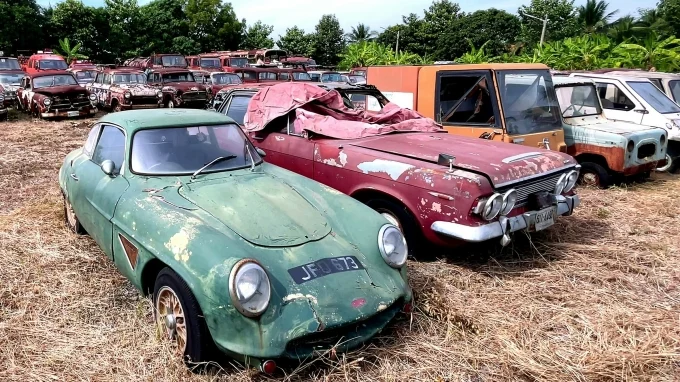
Recycling old cars can dramatically reduce landfill waste and generate sustainable resource loops. High‑value materials such as steel and plastics retain economic worth after processing. Recycled steel, for instance, can be fed directly into the construction industry, lowering demand for virgin ore.
Regional Export Opportunities
Kriengsak Wongpromrat, chairman of the Thai Automotive Institute (TAI), highlighted that Thailand could export refurbished vehicles to neighboring Southeast Asian markets, easing the pressure on domestic disposal sites. The country has previously shipped used cars to the Philippines and Malaysia, while also importing select units for recycling.
International Partnerships Boost Technology
To accelerate dismantling and recycling capabilities, the ministry has partnered with Japanese entities – the New Energy and Industrial Technology Development Organization (NEDO) and Toyota Tsusho Corporation. These collaborations are expected to bring advanced processing equipment and expertise, supporting both environmental targets and economic growth.
Turning Waste into Energy
Wastech Exponential, a subsidiary of Millcon Steel, announced plans for two new waste‑to‑energy plants, each with a 9.5 MW capacity. The facilities will use residual waste from ELV processing as fuel for electricity generation. Meanwhile, Millcon Steel is expanding its recycling portfolio through Suntech Recycle & Decarbon, underscoring Thailand’s emerging automotive‑recycling supply chain.
Collectively, these initiatives signal a decisive shift toward sustainable vehicle disposal, turning what was once waste into a thriving economic resource.