Tesla faces a $583k lawsuit from Chinese owners over Full Self-Driving claims after quietly rebranding FSD to Tesla Assisted Driving. Learn more now.
Background of the China Lawsuit
Ten Tesla owners in Beijing have filed a civil suit accusing the American EV maker of deceptive marketing around its Full Self-Driving (FSD) system. The plaintiffs claim they spent roughly $7,800 each on the FSD package between 2019 and 2021, only to discover that the promised autonomous capabilities never materialised.
In the first hearing held last week, the court heard demands for more than $583,000 in compensation, plus triple damages under China’s consumer‑protection law.
Tesla’s Rebranding Move
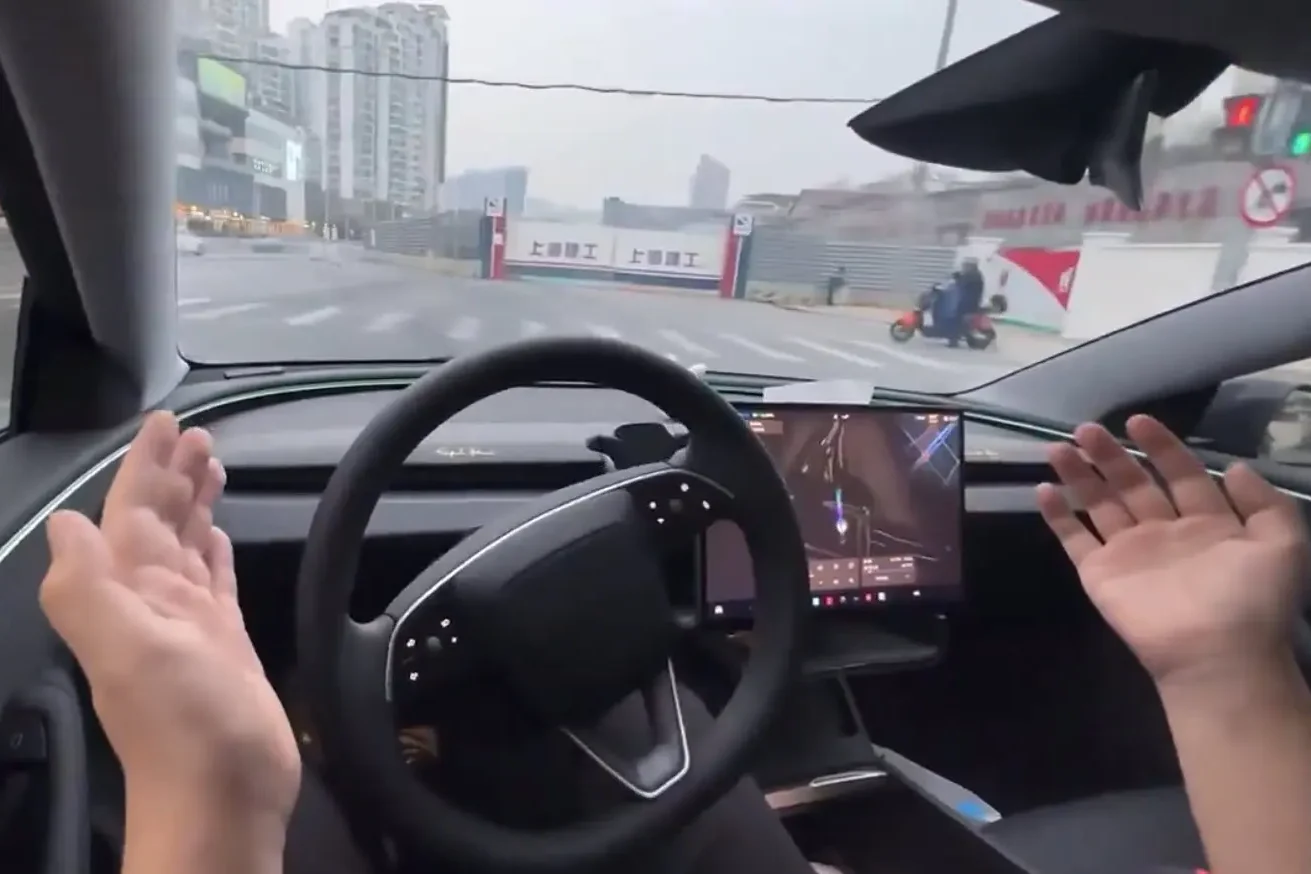
Just a week before the Beijing hearing, Tesla quietly changed the name of its FSD suite in China to “Tesla Assisted Driving.” The shift aligns the software with the country’s Level‑2 driver‑assist classification, signalling that the driver must remain fully engaged at all times.
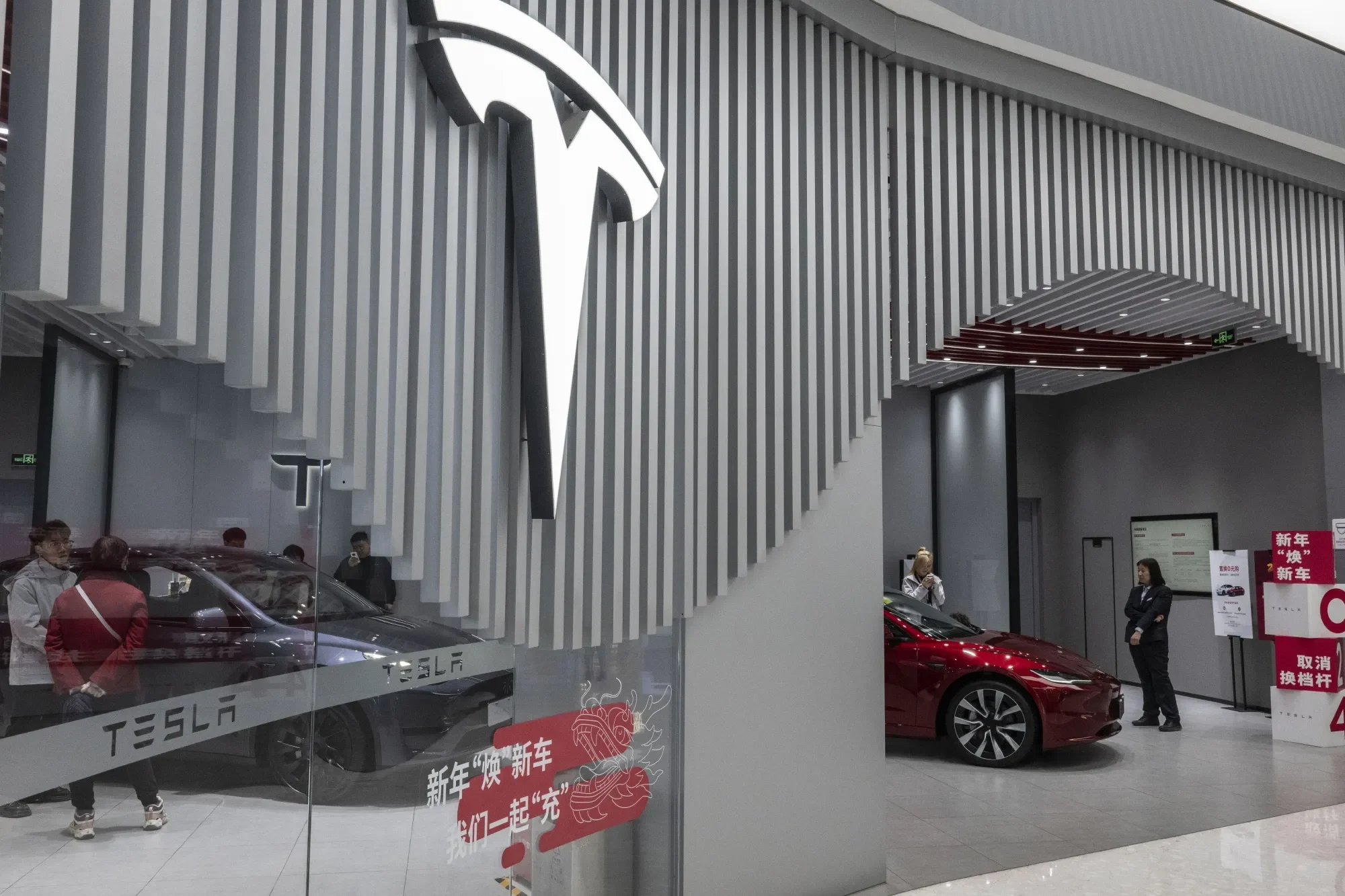
Industry observers see the rename as an attempt to soften the gap between the company’s marketing language and the actual performance of the technology.
Hardware Compatibility Gap
The upgraded “Assisted Driving” features are only available on vehicles equipped with the HW4.0 computer hardware. Owners of older HW3.0‑based models—covering every Tesla built from 2019 through 2023—are locked out of the new functions.
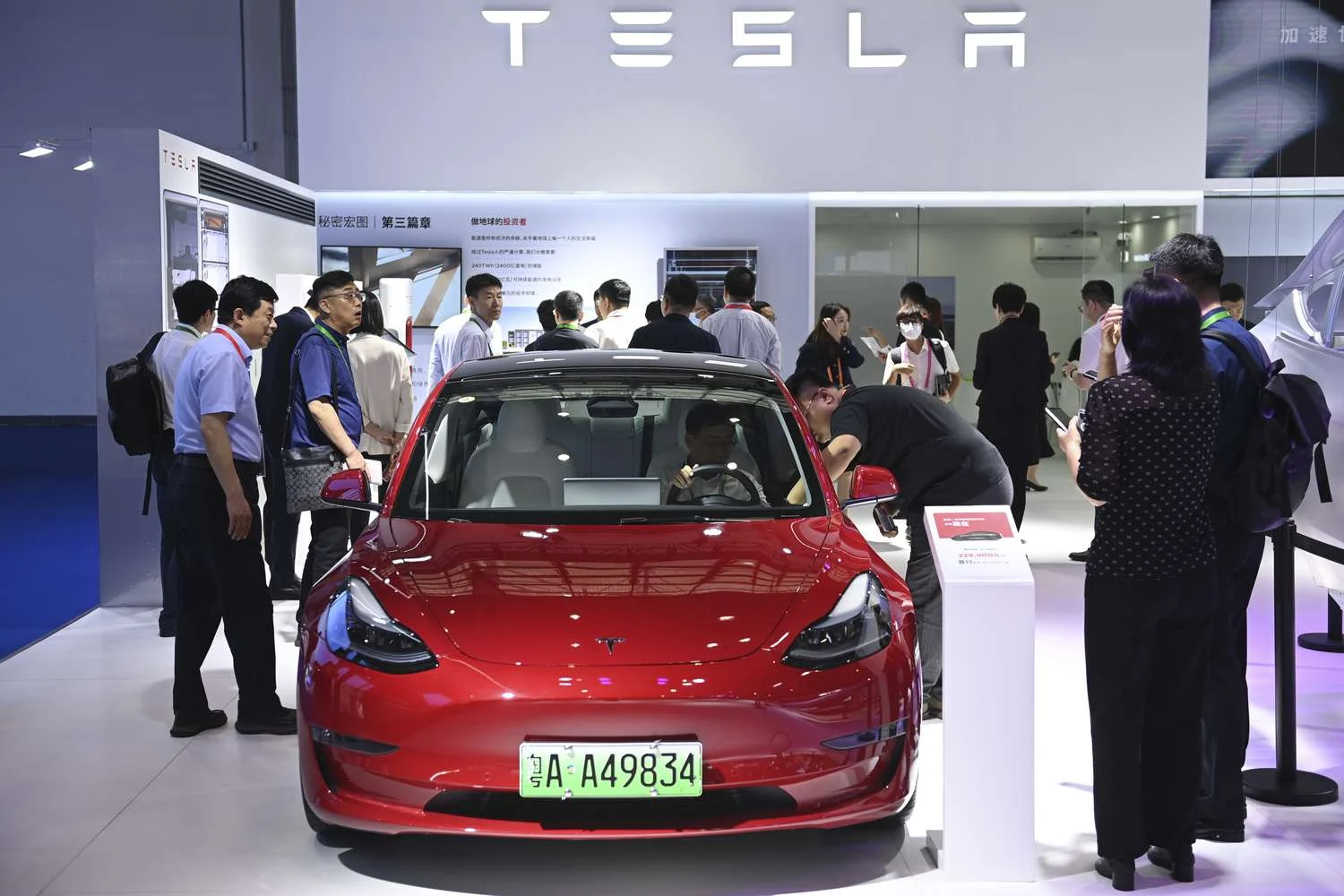
Analysts estimate that over a million Teslas on Chinese roads still run on HW3.0, meaning a large segment of the market cannot access the latest driver‑assist tools.
Potential Financial Exposure
If a sizable portion of HW3.0 owners join the lawsuit, Tesla could face liabilities running into the billions of dollars. Local media reports suggest hundreds of additional owners are consulting lawyers about similar claims.
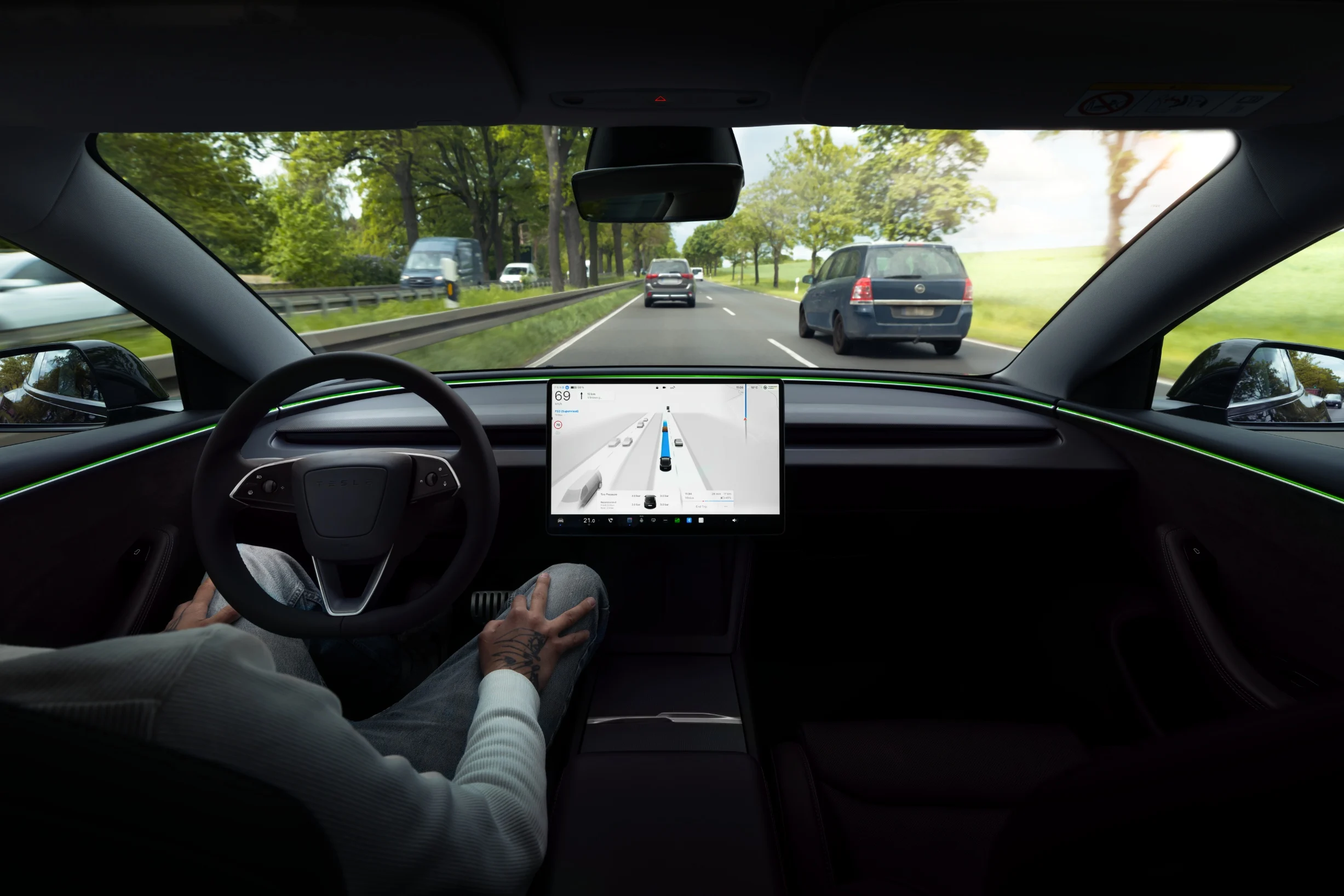
Globally, the company is already contending with legal risks estimated at up to $14.5 billion, largely tied to Autopilot and FSD disputes.
Global Legal Challenges
The Chinese case is not isolated. In October 2025, thousands of Tesla drivers in Australia launched a class action alleging false advertising of FSD capabilities. In Europe, a Dutch Model 3 owner has organized a collective effort that already counts more than 6,600 participants, all using HW3.0 hardware.
What This Means for Tesla Owners
Elon Musk has recently admitted that HW3.0‑based cars will never achieve the full autonomy once promised. For current owners, this acknowledgment may bolster their legal standing and could trigger refunds or additional compensation.
Potential buyers should scrutinise the hardware version of any Tesla they consider and stay informed about ongoing litigation that could affect warranty coverage and resale value.