
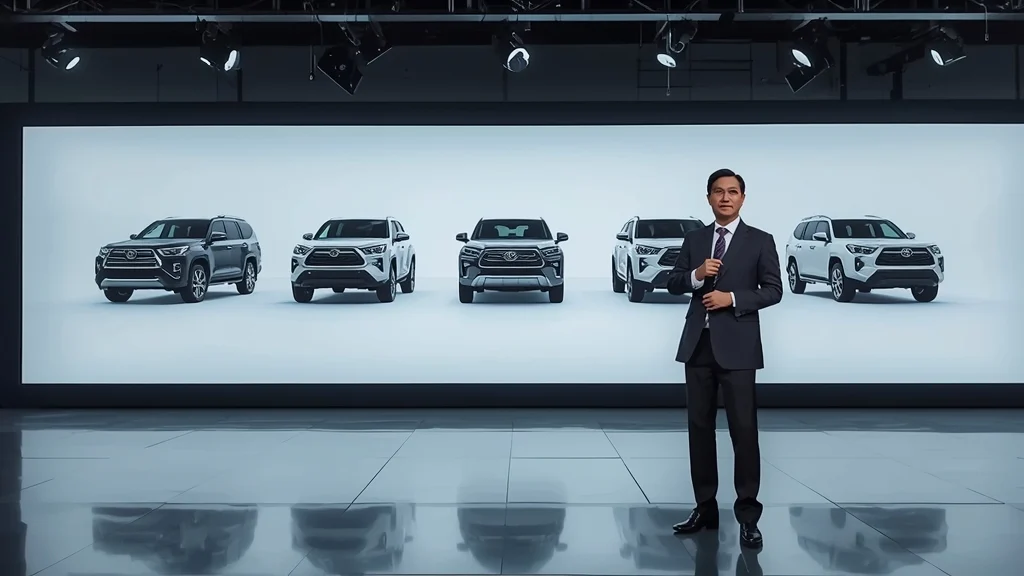
Toyota’s new CEO aims to streamline the lineup, cutting excess variants to lower costs and boost profits. Discover the models at risk and the strategy behind the shift. Read more now.
When Kenta Kon took the helm as Toyota’s chief executive, he quickly identified a hidden cost driver: an ever‑expanding roster of vehicle variants. From the rugged 4Runner to the family‑friendly Grand Highlander, the Japanese automaker now offers more than a dozen trims for several models, inflating production complexity and squeezing margins.
Why Too Many Variants Hurt the Bottom Line
Each additional trim line requires its own set of parts, tooling, marketing materials, and dealer training. The result? Higher inventory costs, longer supply‑chain footprints, and a diluted brand message. Kon told Autonews that the proliferation of versions is “unintentionally pushing up costs” without delivering proportional profit.
Current Overload in Toyota’s Portfolio
- Toyota 4Runner: 12 distinct trims ranging from the base SR5 to the off‑road‑focused TRD Pro.
- Toyota Grand Highlander: 10 trim options, including hybrid and luxury‑focused packages.
- Toyota Tundra: 10 variants, split between four body‑style configurations and four premium trims (Limited, Platinum, Capstone, 1794 Edition).
While variety can attract niche buyers, Kon argues that many of these trims add little to overall profitability. For example, the price gap between the Platinum and the exclusive 1794 Edition is under $2,000 – a marginal difference that questions the need for both.
Models Likely to Face the Axe
As part of a broader portfolio review, Toyota is weighing the retirement of low‑volume or under‑performing versions. Potential candidates include:
- Some entry‑level 4Runner trims with overlapping feature sets.
- Hybrid‑only variants of the Grand Highlander that have struggled to meet sales forecasts.
- Special‑edition Tundra models that duplicate features already offered in the Standard and Platinum lines.
These cuts could streamline manufacturing, reduce part‑number complexity, and free up resources for higher‑margin electric and hybrid projects.
Recent Cancellations Signal a Shift
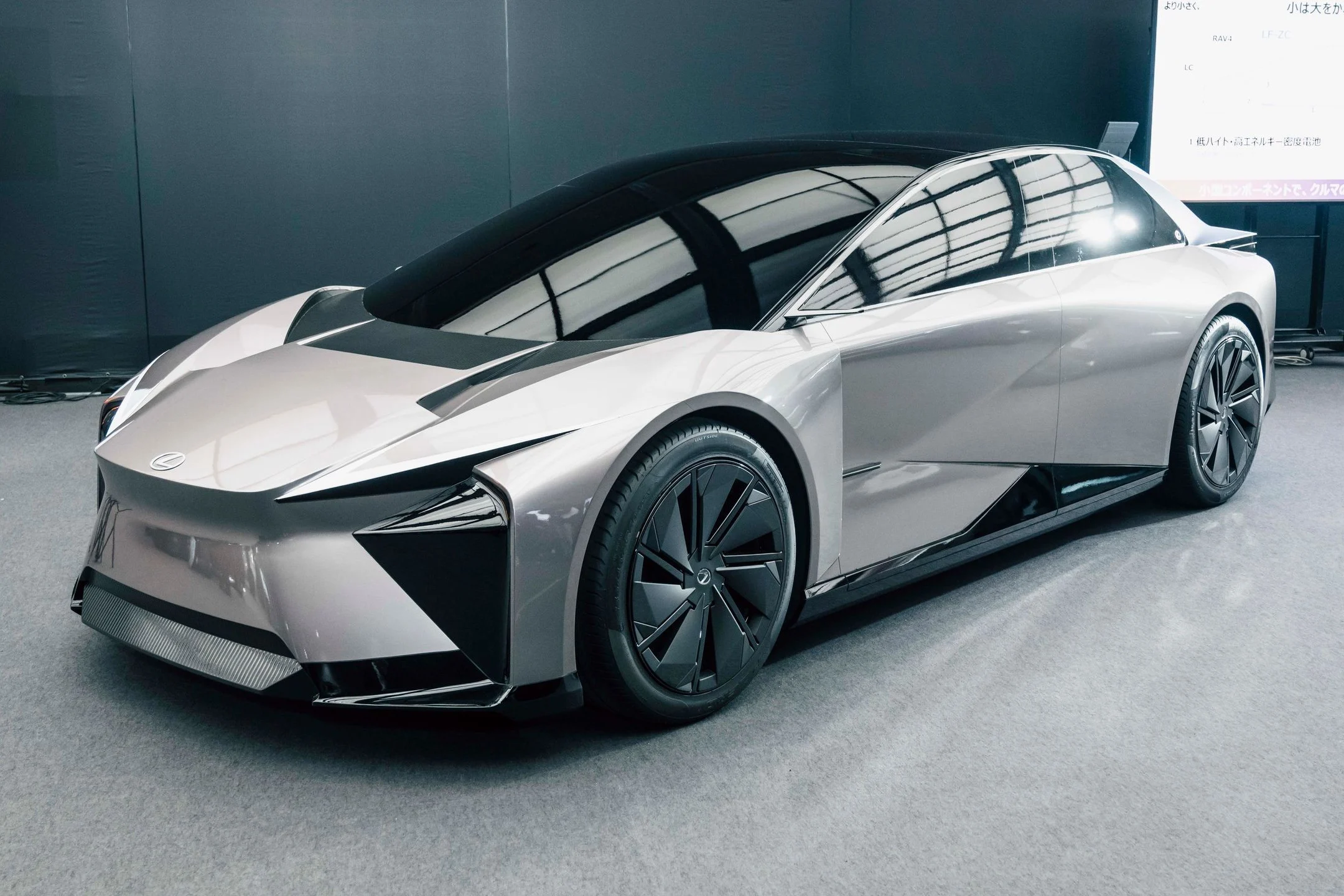
Earlier this year, Toyota scrapped the ambitious electric Lexus LF‑ZC sedan, originally slated for a 2027 debut. The decision followed internal projections of weak demand and the need to reallocate engineering capacity toward more viable electrified models.
Similarly, the Mirai fuel‑cell sedan saw tepid U.S. uptake, with only 210 units sold last year. By contrast, the sporty GR86 sold 576 units, and the Crown’s premium Signia variant doubled its sales to 20,550 units, underscoring where consumer interest truly lies.
Sales Snapshot: Winners and Losers
| Model | 2024 U.S. Sales | Trend |
|---|---|---|
| Toyota Crown (standard) | 12,309 | -37% YoY |
| Crown Signia | 20,550 | +102% YoY |
| Tundra (all trims) | ~150,000 | Stable |
| Mirai | 210 | Low volume |
These figures illustrate that premium, technology‑focused variants can thrive, while overly segmented, low‑volume trims may not justify their cost.
What This Means for Buyers
For consumers, a leaner lineup could translate into clearer buying choices, more competitive pricing, and faster delivery times. However, enthusiasts who cherish niche features may see fewer bespoke options.
Looking Ahead
Kon’s “trim‑down” strategy aligns with a global automotive trend: manufacturers are consolidating platforms to accelerate electrification while protecting margins. By shedding redundant variants, Toyota aims to become more agile, profitable, and ready to meet the rising demand for hybrid and electric vehicles.
Stay tuned as Toyota announces which specific trims will disappear and how the re‑focused lineup will shape the brand’s future in a rapidly evolving market.