
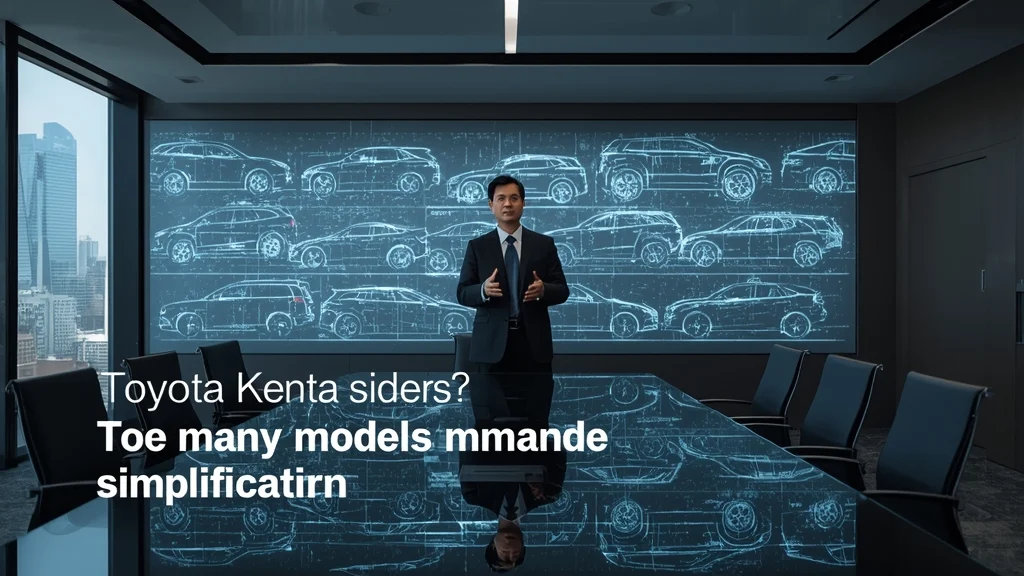
Toyota CEO warns the brand has too many model variants, risking profit. Learn how the automaker plans to streamline its lineup – read more now.
Toyota’s global portfolio has ballooned in recent years, with the Japanese automaker now offering a dizzying array of trims and body styles. From 12 different versions of the rugged 4Runner to ten variants of the family‑friendly Grand Highlander, the sheer number of options is straining development budgets and confusing shoppers.
CEO Kenta Kon’s call for simplification
New CEO Kenta Kon, who took the helm in early 2024, says the company must become “leaner and more profitable.” Speaking to Autonews, Kon warned that “the proliferation of specifications and variants is driving up costs.” While variety can be exciting for enthusiasts, Kon believes Toyota needs to focus on models that truly contribute to the bottom line.
Recent cuts and cancelled projects
Since unveiling a restructuring plan in May, Toyota has already scrapped the commercial‑grade version of the Lexus LF‑ZC concept – an electric sedan that had been slated for a 2027 launch. The move signals that the automaker is willing to pull projects that do not promise strong returns.
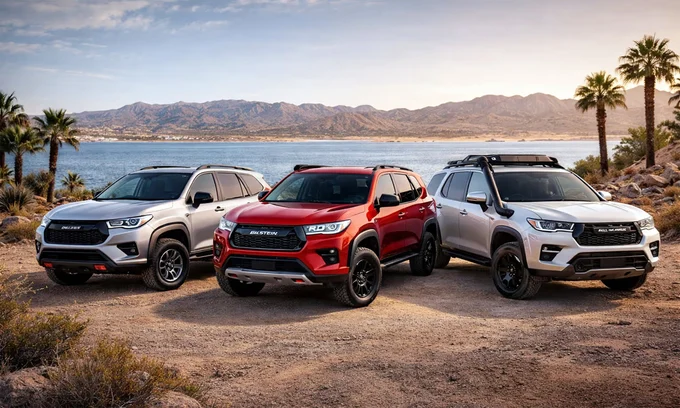
Which models could disappear?
It’s too early to name definitive casualties, but several low‑selling models are under the microscope:
- Mirai – Japan’s flagship hydrogen fuel‑cell sedan sold only 210 units in the United States in 2025.
- GR86 – despite a strong month in December (576 units sold), overall demand remains modest.
- Crown – the crossover‑sedan hybrid struggled in the U.S., dropping 37% to just 12,309 units in 2025. Toyota may redirect buyers toward the Camry or the Lexus ES.
- Crown Signia – sales have improved, climbing to 20,550 units, yet they still lag behind the 32,086 Venza sold in 2024.
- Tundra – annual sales hover around 150,000 units across ten trims and four cabin configurations, with price gaps of less than $2,000 between the premium Platinum and the entry‑level 1794 Edition.
Balancing diversification with profitability
Reuters quoted Kon as saying Toyota will not “slam on the brakes” when it comes to offering gasoline, hybrid, plug‑in hybrid, and even a few diesel options. The strategy is to keep a broad power‑train portfolio while gradually expanding electric offerings, rather than putting “all the eggs in one basket.”
What’s next for Toyota?
Analysts expect the next phase of the overhaul to focus on consolidating overlapping trims, reducing engineering complexity, and channeling resources into high‑margin models and emerging technologies such as battery‑electric vehicles. For consumers, the promise is a clearer, more competitive lineup that still delivers the reliability Toyota is known for.
Stay tuned as Toyota refines its strategy and decides which models make the cut.