
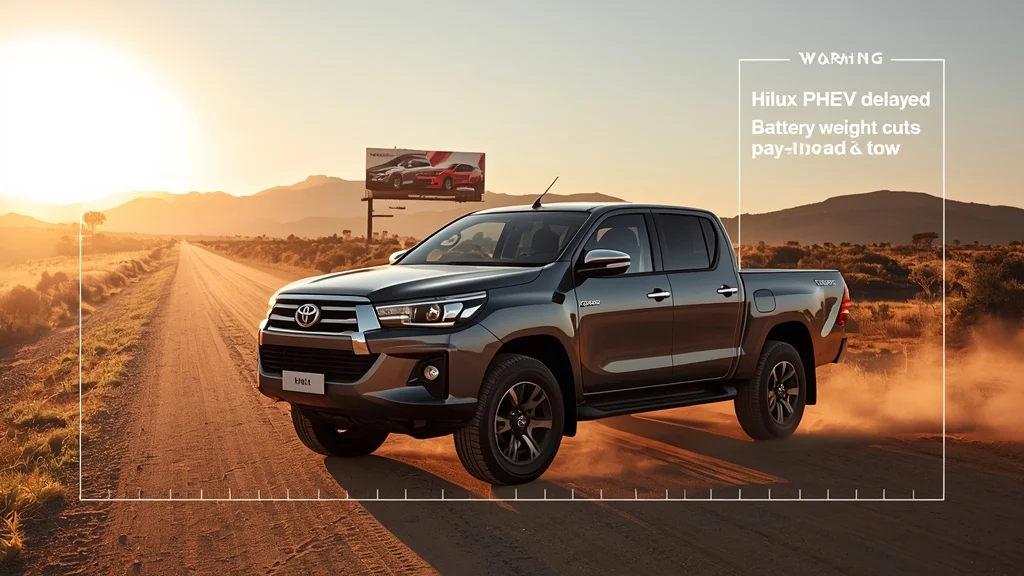
Toyota says its Hilux plug‑in hybrid won’t launch soon, citing battery weight that cuts payload and tow capacity. Learn why the giant is holding back.
Toyota Australia has confirmed that a plug‑in hybrid (PHEV) version of its best‑selling Hilux pickup will not hit the market any time soon. The company says the extra weight of a battery pack would compromise the vehicle’s payload and towing capacity – two attributes that define the Hilux’s reputation.
Why the Hilux PHEV Is on Hold
John Pappas, vice‑president of sales, marketing and dealer operations at Toyota Australia, told CarExpert that the automaker is actively researching alternative power‑train solutions, but any new system must satisfy real‑world customer needs. “We already have a range of Hilux configurations,” he said, “but after a massive R&D investment we want to be sure the new drivetrain truly fits the market.”
Competitors Accelerate Hybrid Pickup Offerings
While Toyota remains cautious, rivals are racing ahead. BYD launched the Shark 6 PHEV at the end of 2024, followed quickly by GWM’s Cannon Alpha PHEV and Ford’s Ranger Hybrid. JAC’s Hunter and Nissan’s Frontier Pro are slated to join the segment within the next twelve months.
By the end of May 2024, Australia had already received 8,438 light‑commercial hybrid‑electric vehicles, underscoring a growing appetite for diesel‑free alternatives.
- BYD Shark 6 Performance – up to 3,500 kg tow with dedicated brakes
- GWM Cannon Alpha PHEV – similar towing capability
- Ford Ranger Hybrid – hybrid powertrain with urban‑friendly torque
- JAC Hunter – expected 2025 launch
- Nissan Frontier Pro – expected 2025 launch
Toyota’s Current Power‑train Roadmap
The automaker is instead focusing on three distinct Hilux variants for the ninth generation:
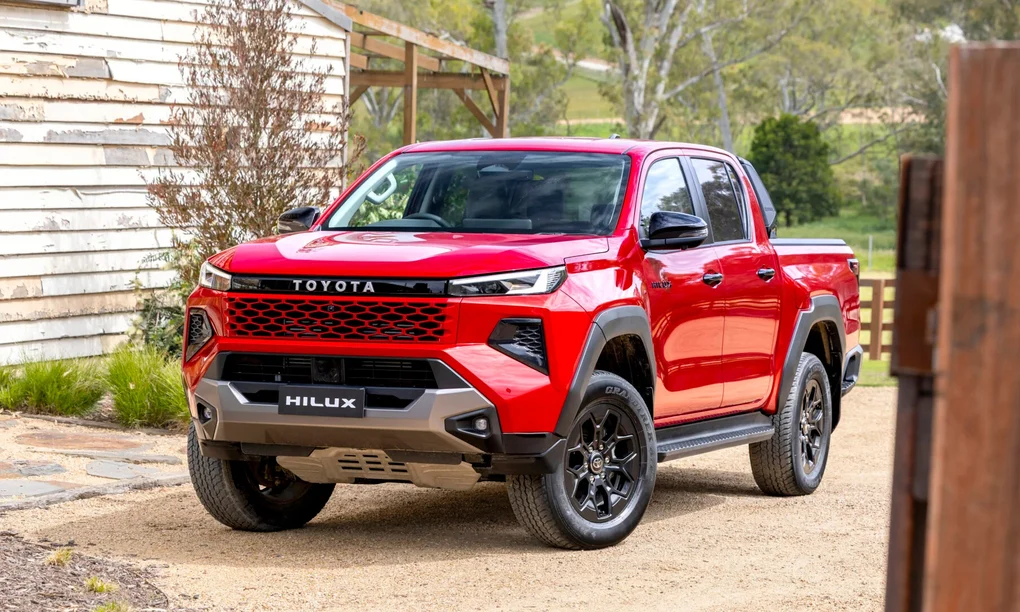
- Traditional diesel engines with turbocharging, delivering up to 3,500 kg of tow and roughly one tonne of payload.
- Battery‑electric (BEV) models aimed at city‑centric use cases.
- Hydrogen fuel‑cell (FCEV) versions slated for a 2028 debut.
These options preserve the strong towing and payload figures that Australian buyers expect, especially in the commercial sector.
Technical Hurdles of Plug‑In Hybrids
Ray Munday, director of product planning and pricing at Toyota Australia, explained the company’s reluctance to rush a Hilux PHEV simply to keep pace with rivals. “We see fierce competition in this segment and are studying it seriously. However, until the technology is ready, we won’t launch a product in haste,” he said.
The core issue is weight. Adding a sizable battery pack inevitably raises the vehicle’s curb weight, which in turn reduces the amount of cargo it can carry and the force it can exert when towing. Current PHEV systems have not been fully optimised to meet Toyota’s stringent heavy‑load standards for the Hilux.
What’s Next for Toyota’s Pickup Lineup?
Given the high expectations customers have for the Hilux brand, Toyota’s cautious stance is understandable. The plug‑in hybrid concept is still relatively new for the Japanese manufacturer in the Australian market, having debuted only with the RAV4 PHEV.
Industry observers expect that once battery energy density improves and packaging solutions become lighter, Toyota may revisit a Hilux PHEV. Until then, the company will continue to champion diesel power, while gradually expanding its BEV and future hydrogen offerings.
Stay tuned for the latest updates on Toyota’s electrified pickup strategy.