

The US seeks to raise North American auto local‑content rules to 82% and cut Canada out of calculations, sparking tough USMCA talks. Learn more now.
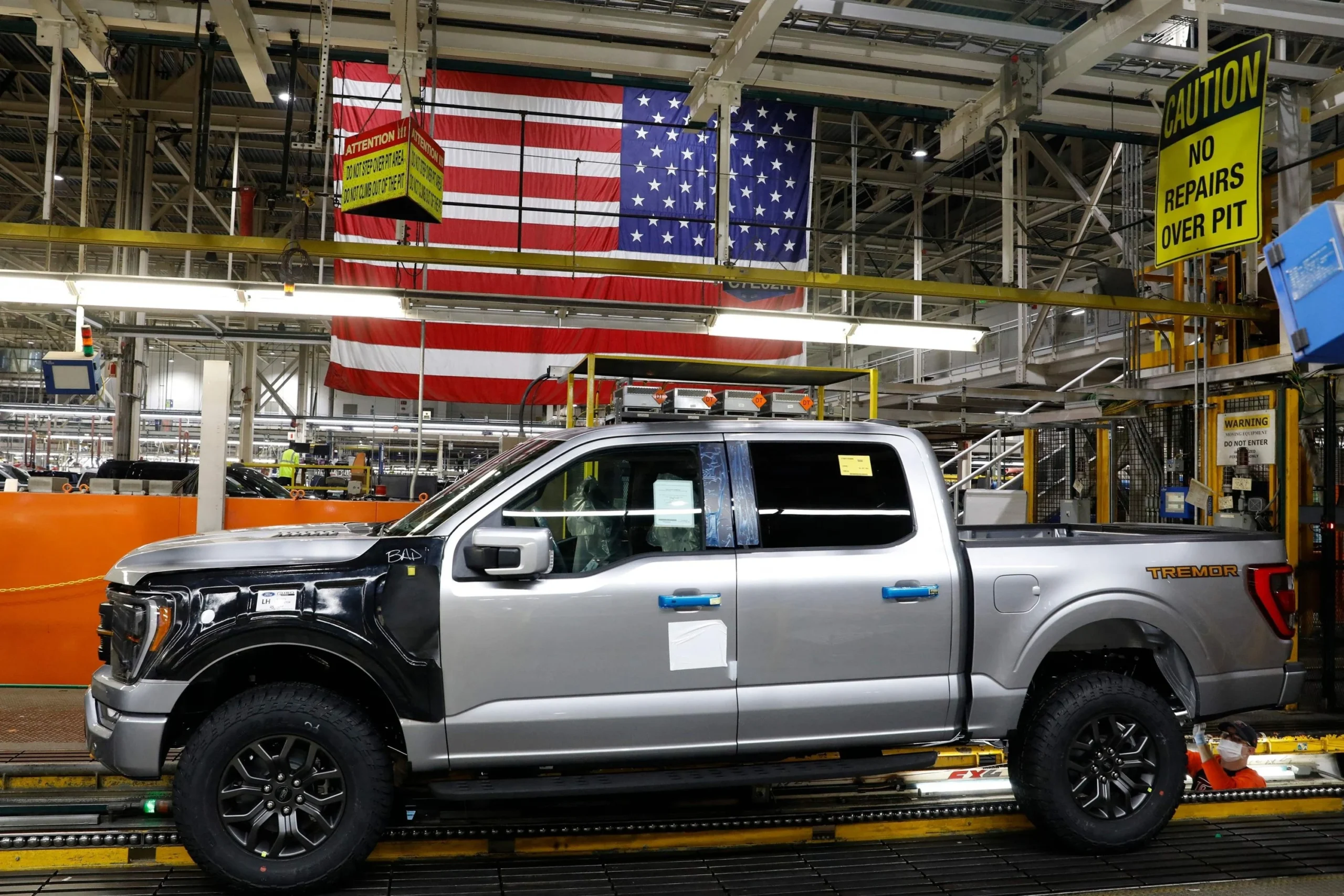
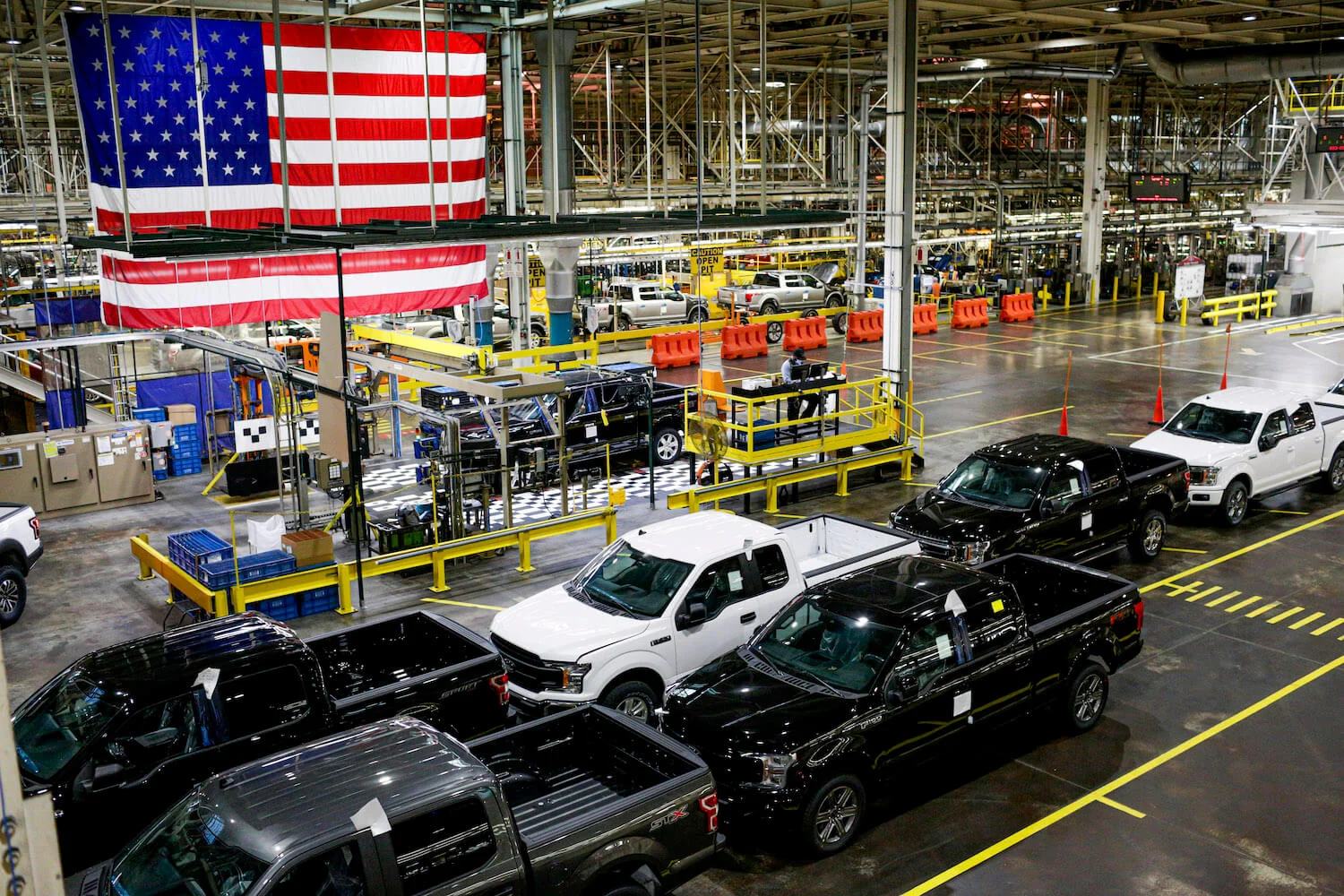
The United States is pressing for a major overhaul of the North American automotive sector. In the latest round of USMCA (United States‑Mexico‑Canada Agreement) talks, Washington proposes that cars and light trucks assembled in the region meet an 82% local‑content threshold, up from the current 75%.
Why the Shift?
U.S. officials argue that a higher domestic‑content rule will protect American jobs, strengthen the supply chain, and reduce the trade deficit with Mexico. The proposal also stipulates that at least 50% of a vehicle’s value must be produced on U.S. soil to qualify for the agreement’s preferential tariff rates.
Canada’s Exclusion from the Formula
Unlike previous USMCA calculations, the new draft removes any credit for components manufactured in Canada. This reflects a long‑standing view from the Trump era that Canadian auto parts have been over‑counted in the regional content tally.
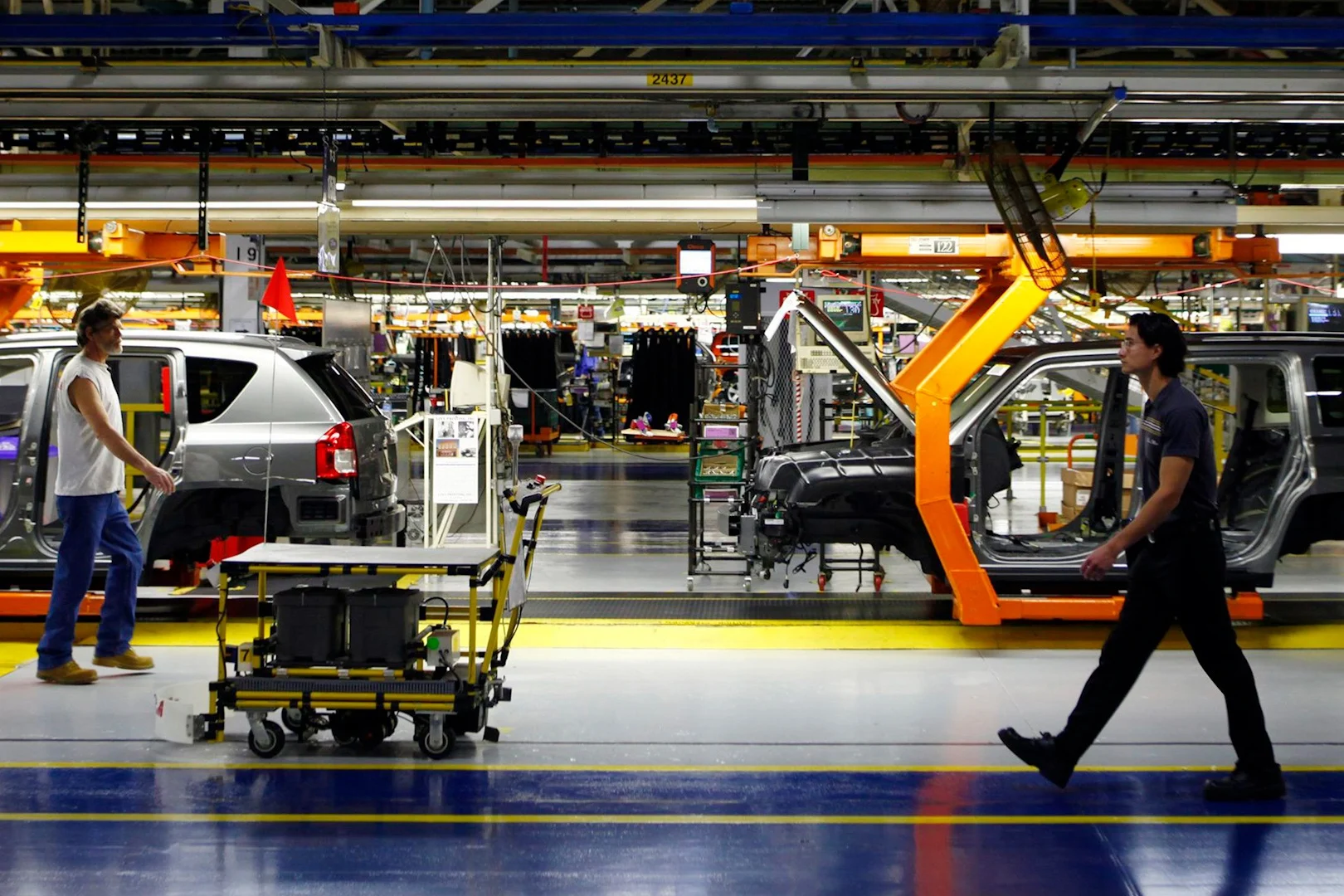
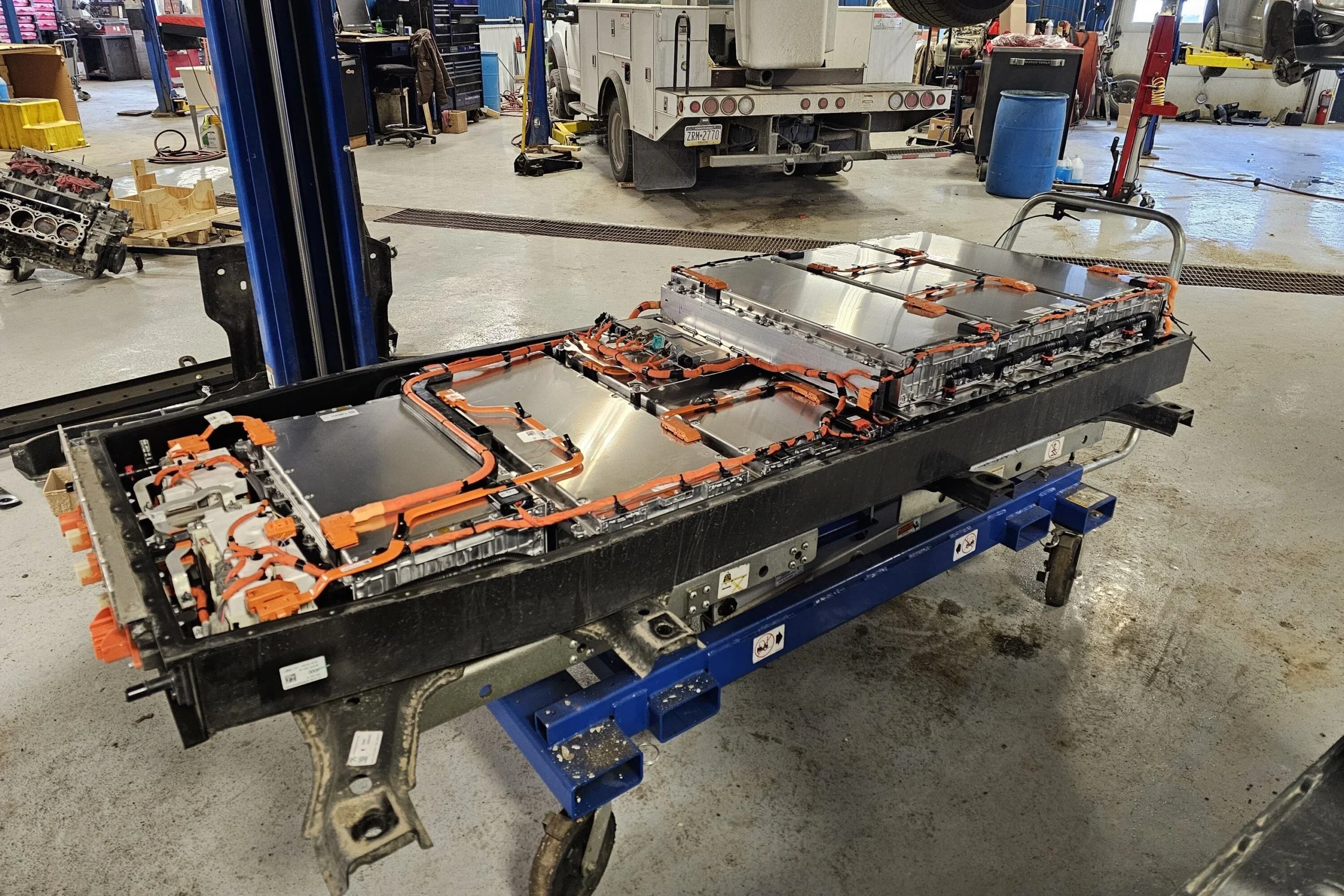
Under the existing agreement, 40% of the value of “core” components—engines, transmissions, key body parts and electric‑vehicle batteries—must come from high‑wage jurisdictions, effectively the United States or Canada. For pickup trucks, the requirement rises to 45%.
Industry Reaction
Automotive executives say the proposal could reshape production decisions across the continent. U.S. Trade Representative Jamieson Greer is expected to continue negotiations with Mexico first, then present a take‑or‑leave offer to Canada.
USTR officials have not yet disclosed the exact methodology for measuring the 82% threshold or how the 50% U.S.‑manufacturing rule will be enforced. However, Reuters reports that negotiators are also seeking to raise the local‑content requirement for heavy‑duty trucks from 70% to 75%.
Broader Trade Context
USMCA, which replaced NAFTA in 2020, underpins roughly $1.6 trillion in annual trade among the three countries. Last year, former President Donald Trump imposed a 25% tariff on Canadian and Mexican auto parts and a 50% tariff on steel, aluminum and copper from both nations, adding further pressure on the agreement’s rules.
The current talks also touch on steel and aluminum tariffs, as well as “economic security” provisions aimed at limiting China’s influence in the North American supply chain.
What’s Next?
U.S. and Mexican officials plan to meet in Washington on June 16‑17 to discuss agriculture, environmental safeguards, and the new automotive rules. A third round of talks in Mexico City is slated for the week of July 20, though no meeting with Canada has been scheduled yet.
If the 82% rule is adopted, North American automakers will need to reassess sourcing strategies, potentially shifting more production back to the United States. Meanwhile, vehicles imported from Japan, South Korea, the European Union and the United Kingdom already benefit from lower tariff rates compared with those coming from Canada or Mexico under the current framework.
Stakeholders across the continent are watching closely, as the outcome will shape the future competitiveness of the North American auto industry for years to come.