
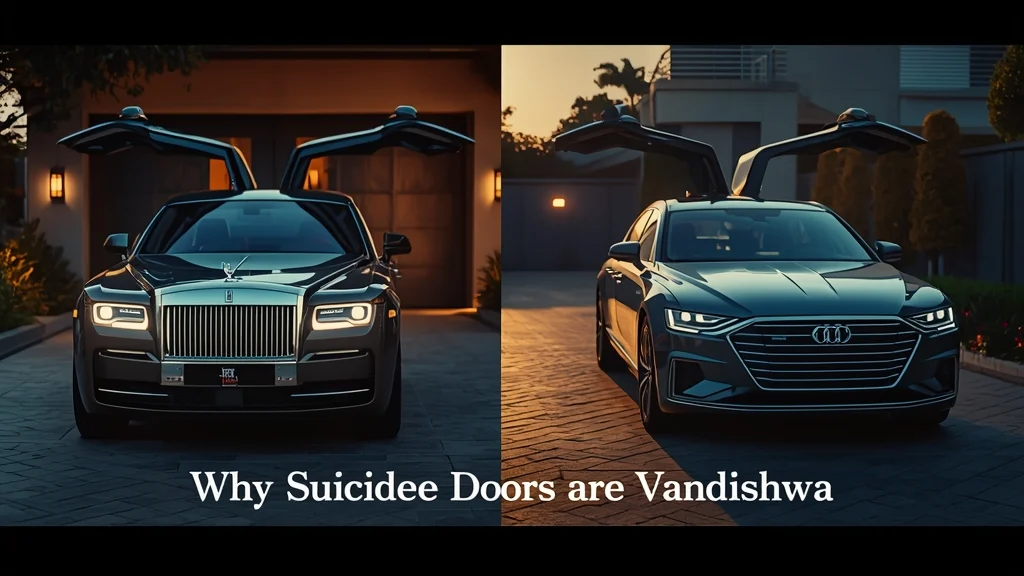
Explore why rear‑hinged ‘suicide doors’ are disappearing, the safety challenges, and why luxury brands like Rolls‑Royce and Ferrari keep them. Learn more now!
What Are Suicide Doors?
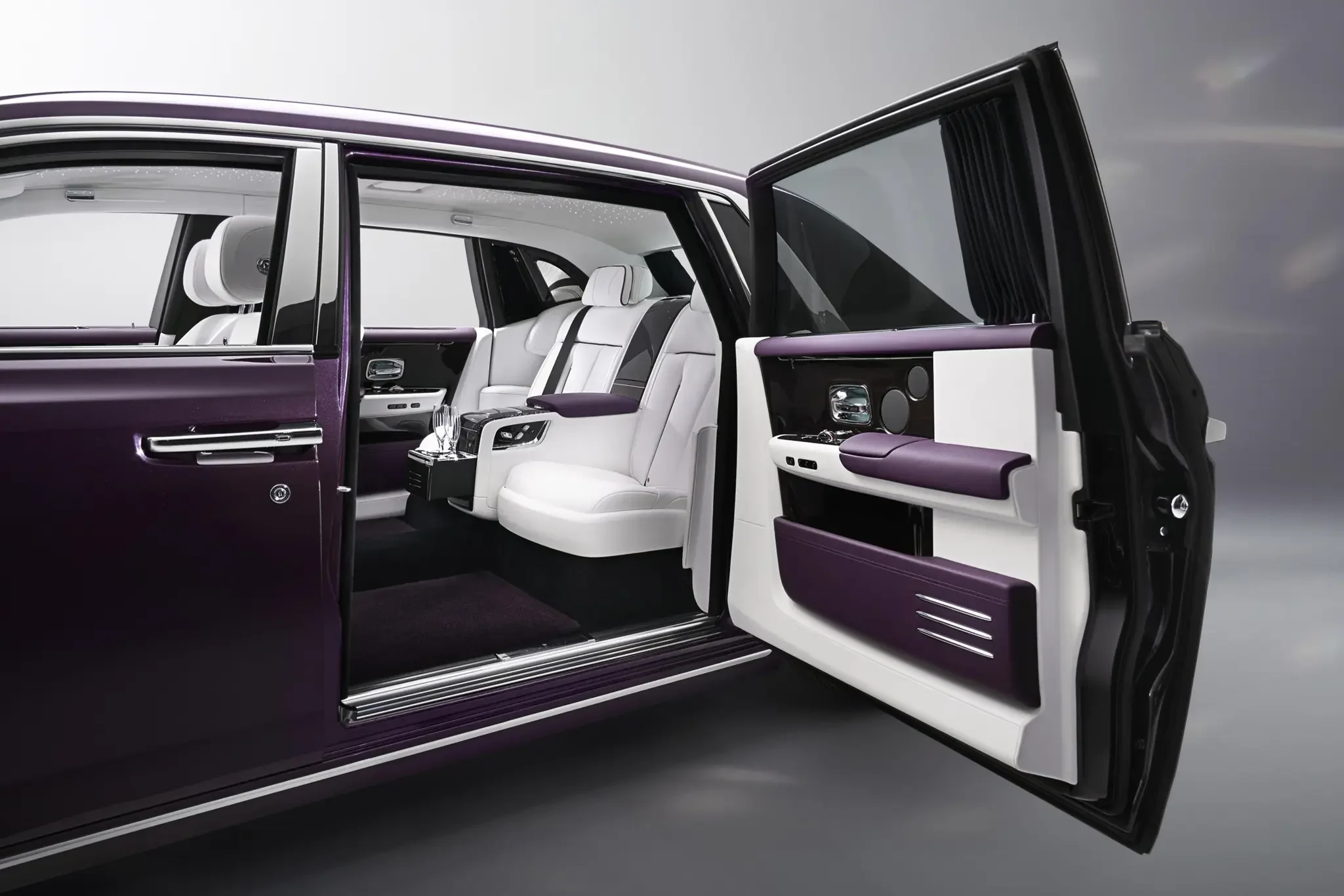
Suicide doors – also called rear‑hinged doors or coach doors – are car doors that hinge at the rear rather than the front. The design dates back to the horse‑drawn carriage era, when coach‑builders placed the hinge on the trailing edge to allow passengers to step onto the carriage more easily. The term survived into the automotive world and is still used today, especially by premium marques.
Historical Popularity
Before the 1960s, rear‑hinged doors were a common sight across Europe and the United States. Iconic models such as the 1960s Lincoln Continental, the Tucker 48, and many European luxury sedans featured the design. At the time, the doors were seen as a hallmark of elegance and convenience, long before modern safety regulations reshaped vehicle engineering.
Safety Concerns that Led to Their Decline
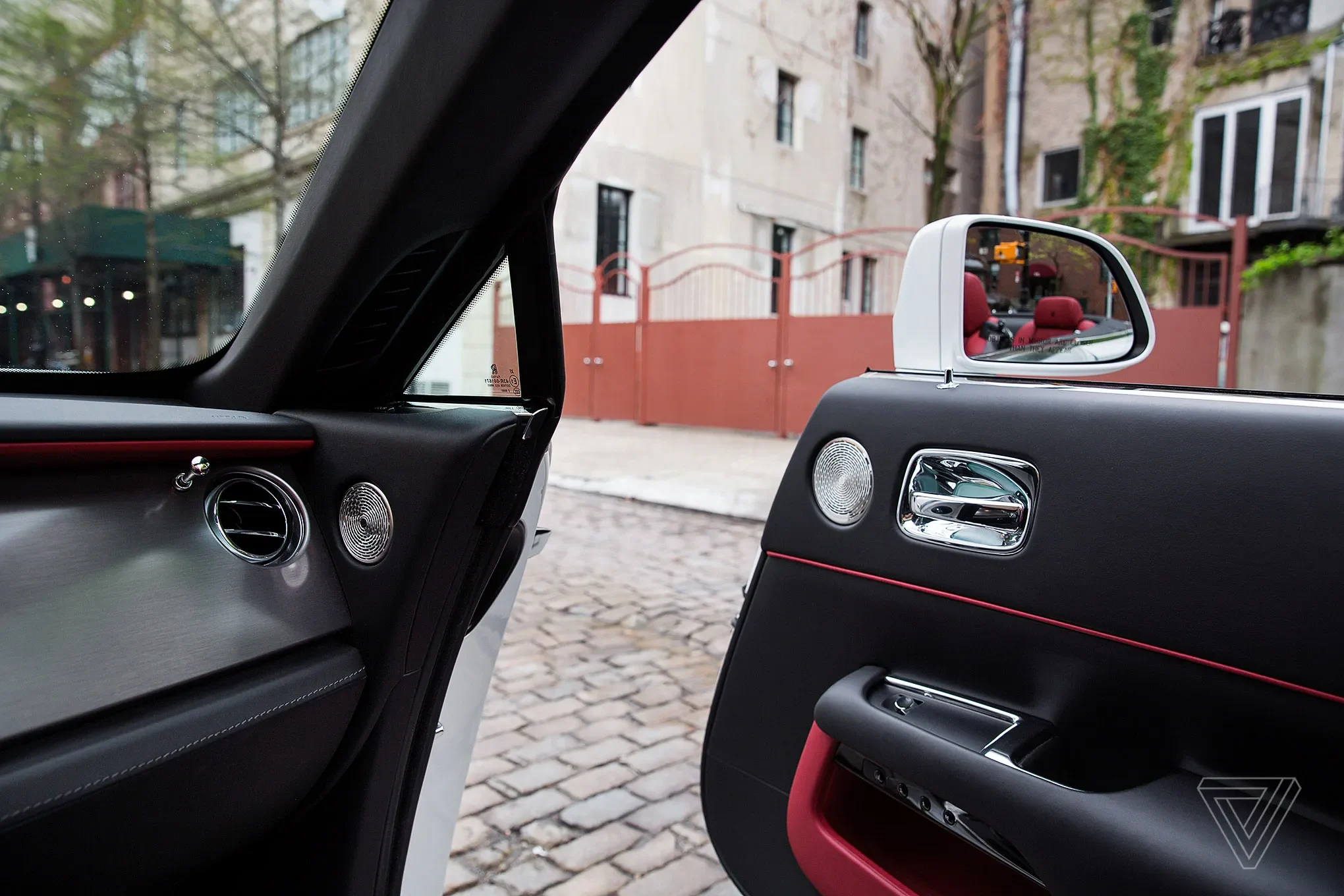
The first major blow to suicide doors came from safety considerations. When a vehicle is moving, an unlatched rear‑hinged door can be pulled open by the slipstream, risking occupants being ejected or struck. Even at a standstill, a side impact can force the door inward, crushing passengers rather than swinging outward as a conventional door would.
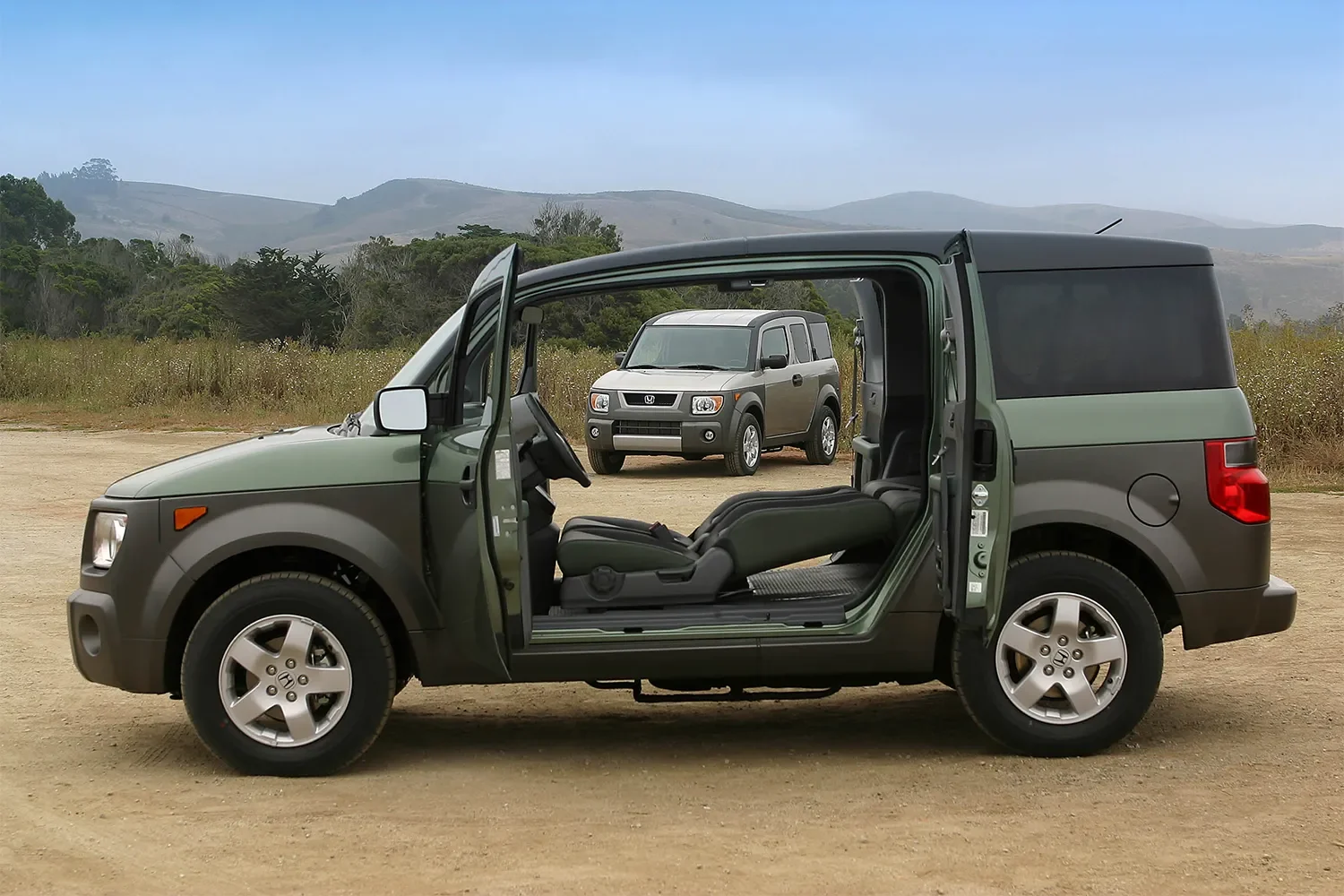
Another technical hurdle is the B‑pillar – the vertical post between the front and rear doors. Cars with rear‑hinged doors often sacrifice a robust B‑pillar, which weakens side‑impact protection. Tests by the U.S. Insurance Institute for Highway Safety (IIHS) showed models like the Honda Element scoring poorly in side‑collision tests because of this structural limitation.
Modern Luxury Exceptions
Despite the challenges, some ultra‑luxury manufacturers have kept the tradition alive:
- Rolls‑Royce – Every current model, from the Phantom to the Cullinan, retains the coach‑door layout. To meet safety standards, Rolls‑Royce adds a substantially reinforced B‑pillar, which preserves the dramatic entrance while protecting occupants.
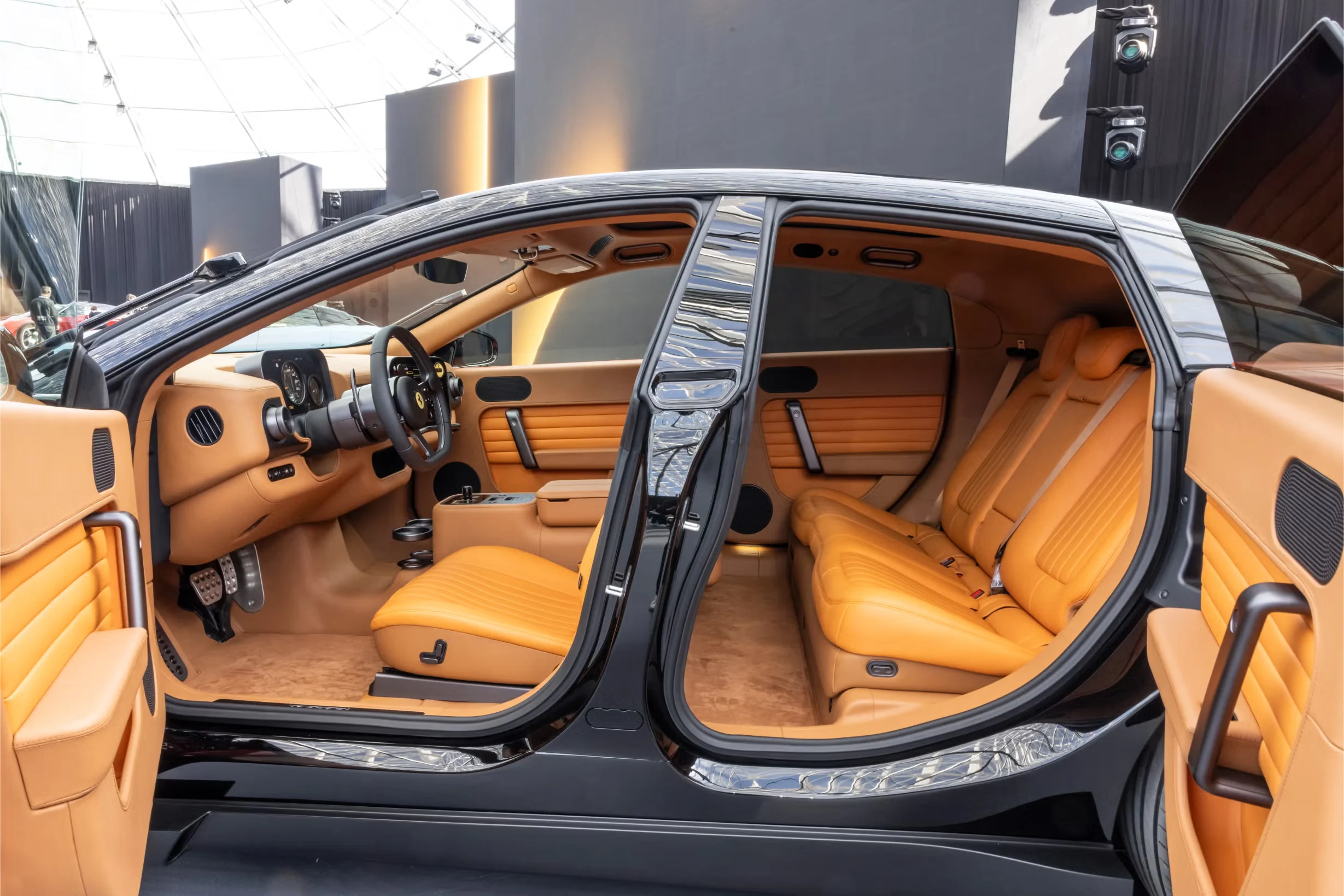
- Ferrari – The Purosangue SUV and the recent electric hyper‑car Ferrari Luce both feature rear‑hinged rear doors. Ferrari’s solution relies on fully electric actuation and engineered crash structures, though detailed safety data for the Luce remains limited.
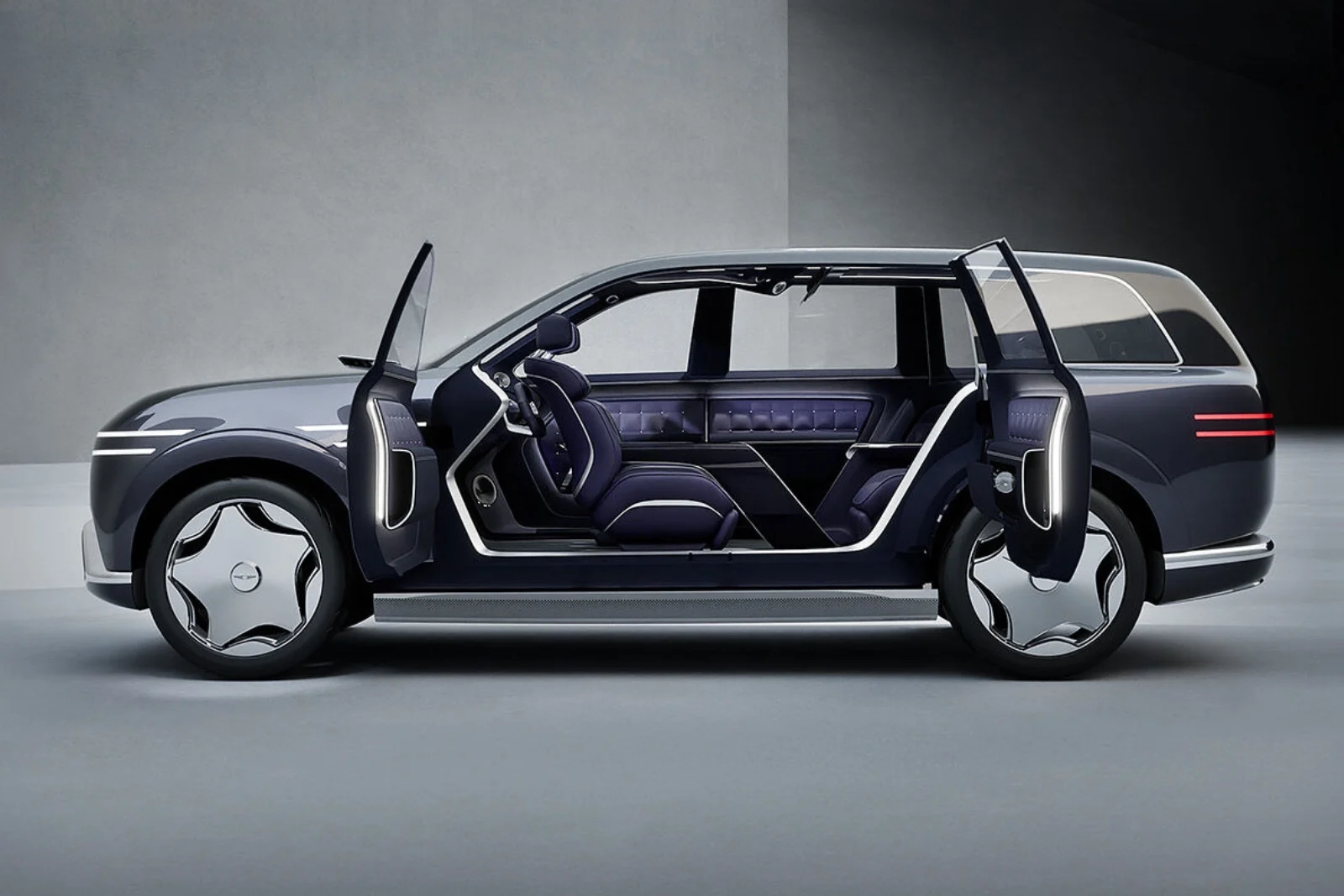
- Genesis GV90 – The Korean luxury SUV is experimenting with a B‑pillar‑free architecture that still meets global crash standards, hinting at a possible revival of the concept.
Other niche models, such as the Mazda MX‑30 (U.S. market discontinued in 2022) and the BMW i3’s limited rear‑door variant, offered a glimpse of the design but never achieved mainstream adoption.
Future Outlook
Today, suicide doors are mostly reserved for flagship vehicles where the spectacle of a grand entrance outweighs practicality. Engineers continue to explore ways to combine the aesthetic appeal with modern safety – for example, using advanced high‑strength steel or carbon‑fiber B‑pillars, and integrating smart sensors that lock the doors if a wind gust is detected.
While the majority of everyday cars have abandoned rear‑hinged doors, the legacy lives on in the world’s most exclusive automobiles and in concept cars that dare to re‑imagine how we get in and out of a vehicle.