
Learn why Vietnam’s Vehicle Inspection Authority insists on full‑throttle testing for diesel cars to ensure accurate emissions results. Read more now!
During a recent conference on automotive exhaust inspections, Vietnam’s Department of Vehicle Registration (Cục Đăng Kiểm) clarified why diesel‑powered vehicles must be tested at full throttle rather than at a half‑stroke. The department’s deputy chief, Nguyen To An, emphasized that the proposed “half‑stroke” method lacks technical justification and could jeopardize both safety and environmental goals.
What the “half‑stroke” proposal entailed
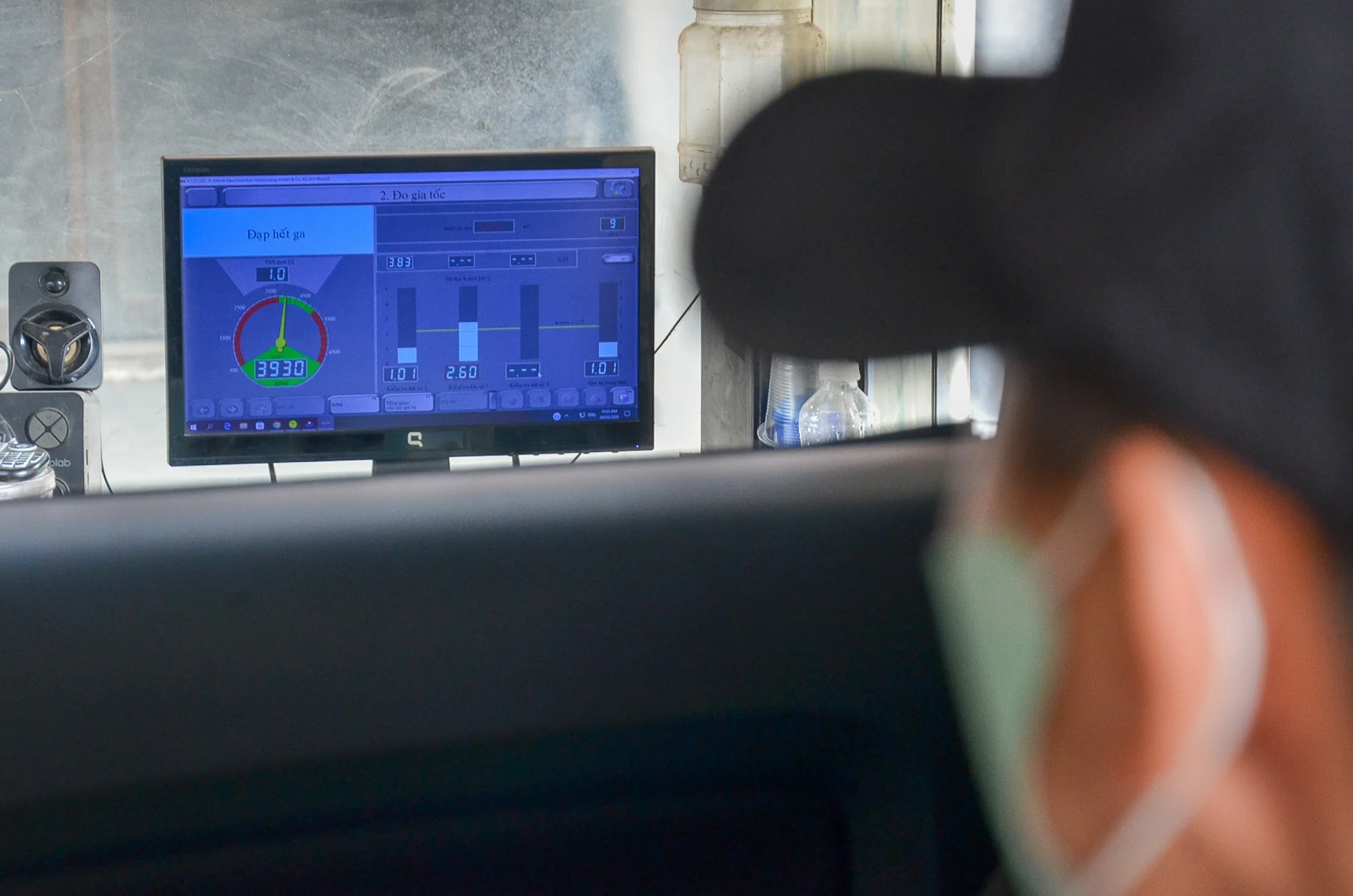
Some inspection stations suggested that, when testing older‑generation diesel trucks, examiners should keep the accelerator pedal pressed only halfway—roughly 2,000–3,000 rpm—for the emission measurement. The idea was to simplify the procedure and reduce fuel consumption during the test.
Why diesel engines work differently from gasoline engines
For gasoline engines, the throttle valve controls the amount of air entering the cylinder; the engine’s speed is therefore linked to the pedal position. Diesel engines, however, have no throttle valve. Their speed is controlled entirely by the quantity of fuel injected by the high‑pressure pump.
Because of this fundamental difference, applying the gasoline‑engine test method to diesel engines is scientifically unsound and has no counterpart in international standards.
The technical flaw of a half‑stroke test
When a diesel vehicle is carrying a heavy load or climbing a hill, the driver must press the pedal deeply. The high‑pressure pump then delivers a large amount of fuel, producing the highest possible exhaust smoke—exactly the condition inspectors need to capture.

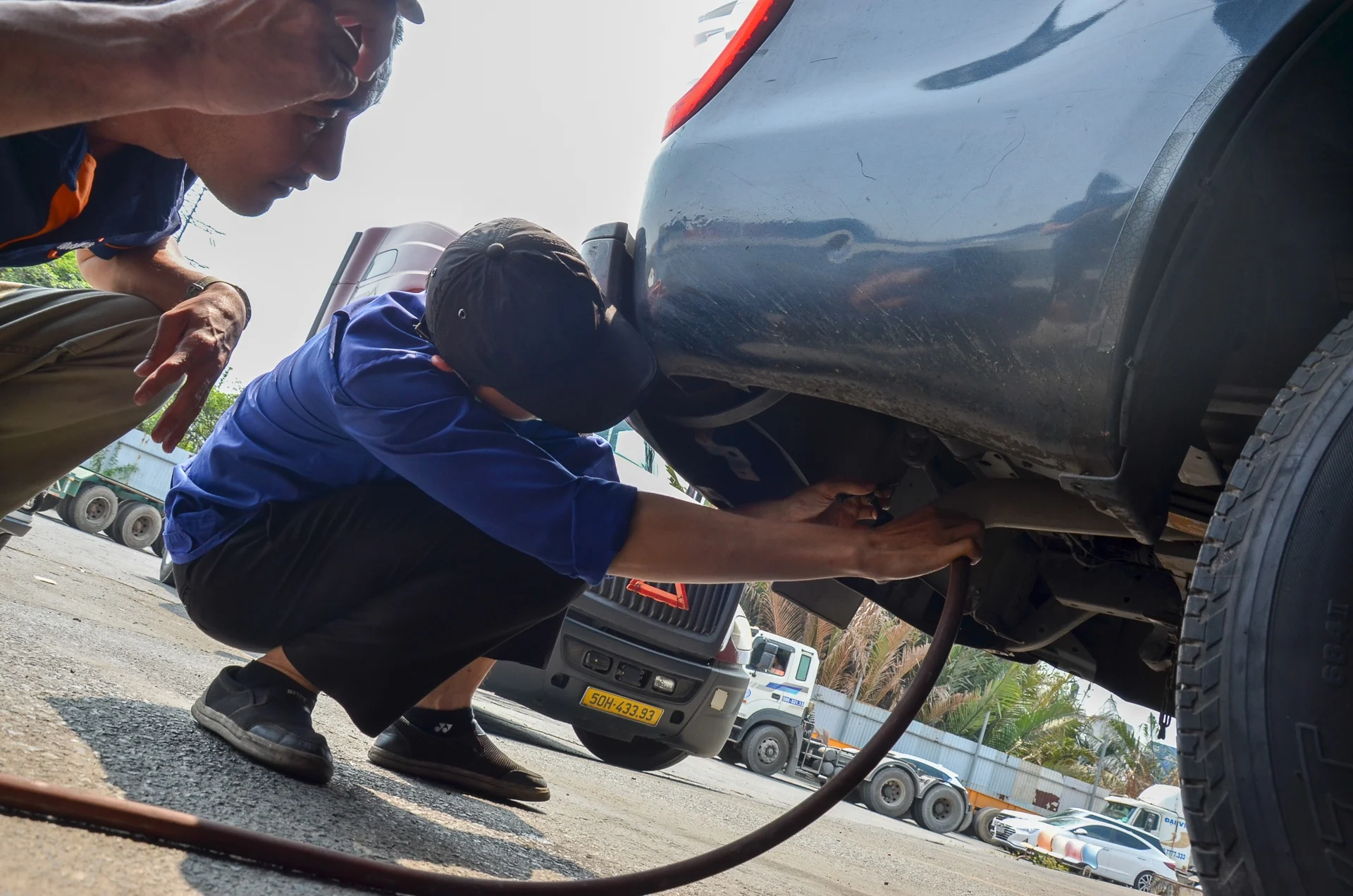
At a stationary inspection bay, however, the vehicle is idle, un‑loaded, and not under any resistance. If the inspector only depresses the pedal halfway, the pump supplies a very small fuel quantity. That amount burns almost completely, producing only a negligible amount of black smoke. Consequently, the test would not reflect the engine’s true emission performance under real‑world load.
Risks of an inaccurate measurement
- Missed defects: Major faults in the fuel‑injection system or high‑pressure pump that cause excessive smoke under load would go undetected.
- False compliance: Vehicles that actually exceed emission limits could receive a clean certificate, undermining public health initiatives.
- Inconsistent results: Maintaining a steady 2,000–3,000 rpm with only half pedal travel is highly operator‑dependent, leading to variability between tests.
Official stance from the Department of Vehicle Registration
Nguyen To An warned that using low‑rpm reference points could allow many vehicles with faulty injectors or pumps to slip through the inspection net. He stressed that the primary purpose of emission testing is to safeguard technical safety and protect the environment, as mandated by Prime Ministerial Decision No. 43 (2025).
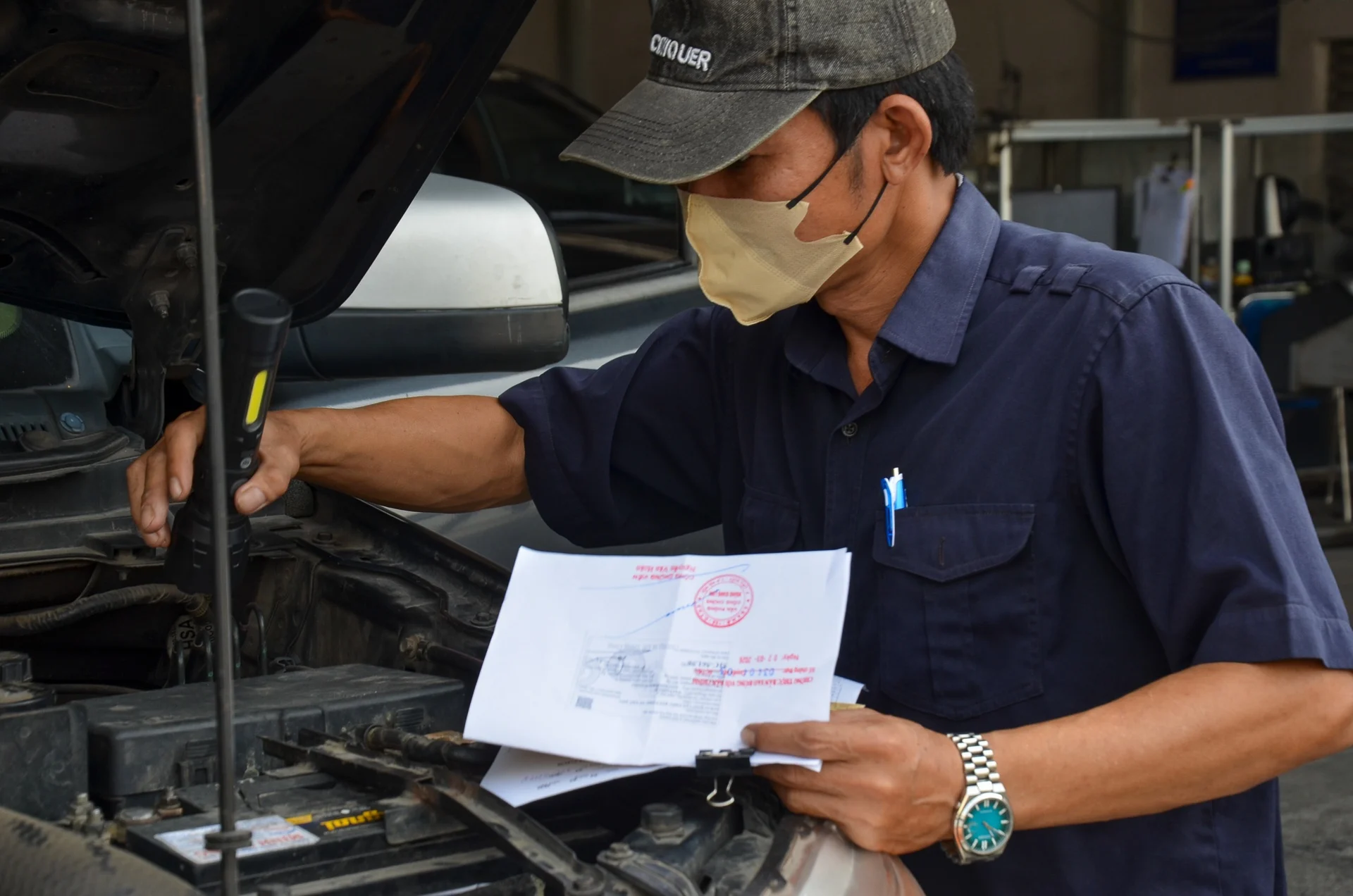
“If the tester never pushes the engine to its maximum fuel‑delivery state, the measured smoke will be artificially clean and will not represent the vehicle’s real‑world impact,” he said.
Conclusion: Full throttle remains the only reliable approach
The department reaffirmed that, for diesel vehicles—especially older models—examiners must bring the engine to its full operating range (typically 2,000–3,000 rpm with the accelerator fully depressed) to obtain an accurate emission reading. This ensures that serious engine defects are identified, compliance is genuine, and Vietnam’s air‑quality objectives are upheld.
Inspection centers are therefore urged to continue using the established full‑throttle protocol and to train staff on consistent execution to maintain the credibility of diesel emission testing.