
Nissan has scrapped its planned e‑axle factory in Sunderland as European EV sales slump. Discover how this fits its global restructuring strategy—read more now.
Nissan has officially halted its plan to build an e‑axle production line in Sunderland, United Kingdom. The decision comes as electric‑vehicle (EV) sales across Europe have slumped, forcing the Japanese automaker to rethink its investment strategy.
What the e‑axle plant would have delivered
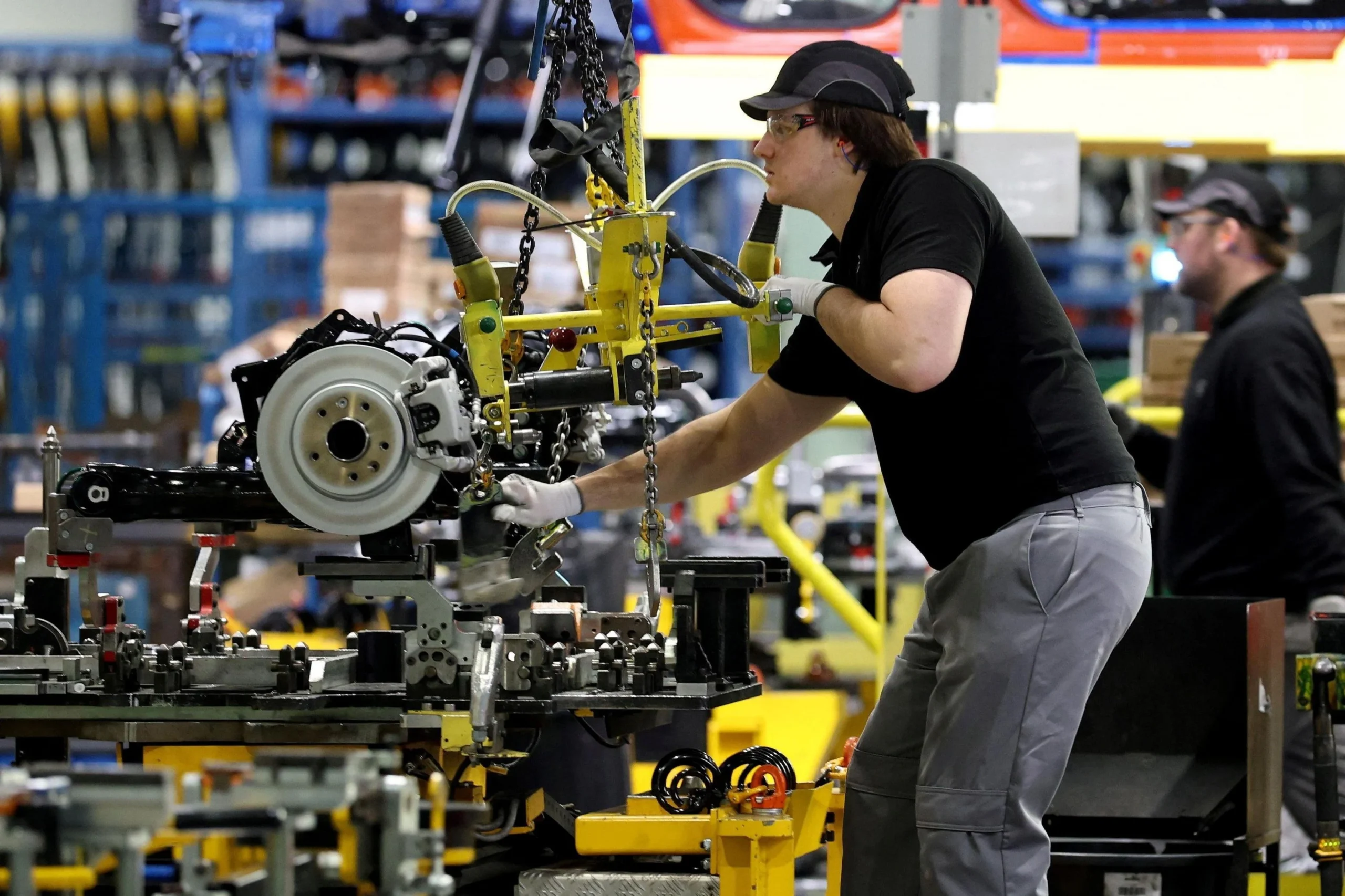
The e‑axle, developed by Nissan’s subsidiary Jatco, combines an electric motor, power inverter and gearbox into a single compact unit. The Sunderland facility, announced for a 2025 opening, was slated to produce up to 340,000 e‑axles annually, representing an investment of roughly ¥9 billion (US$56 million).
Why the project was cancelled
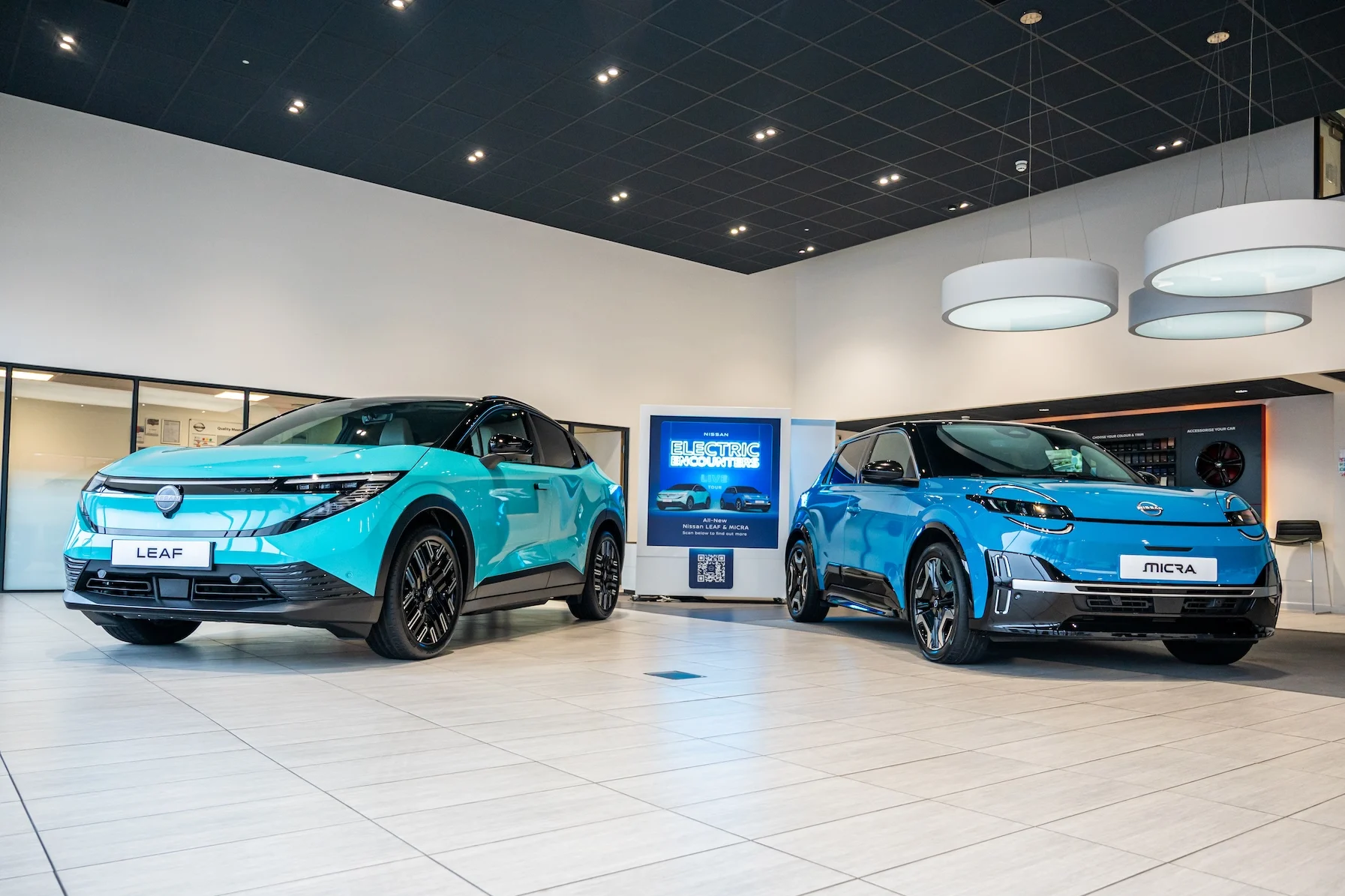
European demand for EVs has weakened sharply, dragging Nissan’s market share down to just 2.2% in 2025, down from 3.9% a decade earlier. Sales of the Nissan Leaf fell by 99% year‑on‑year, with only 87 units sold as the model transitions to a new generation. The Nissan Ariya SUV also saw a 44% drop, delivering just over 11,000 units.
Faced with these numbers, Nissan concluded that building a new e‑axle plant in the UK no longer made commercial sense. In the short term, the company will continue to ship e‑axles from its existing facilities in Japan to meet any remaining UK demand.
Impact on Nissan’s European operations
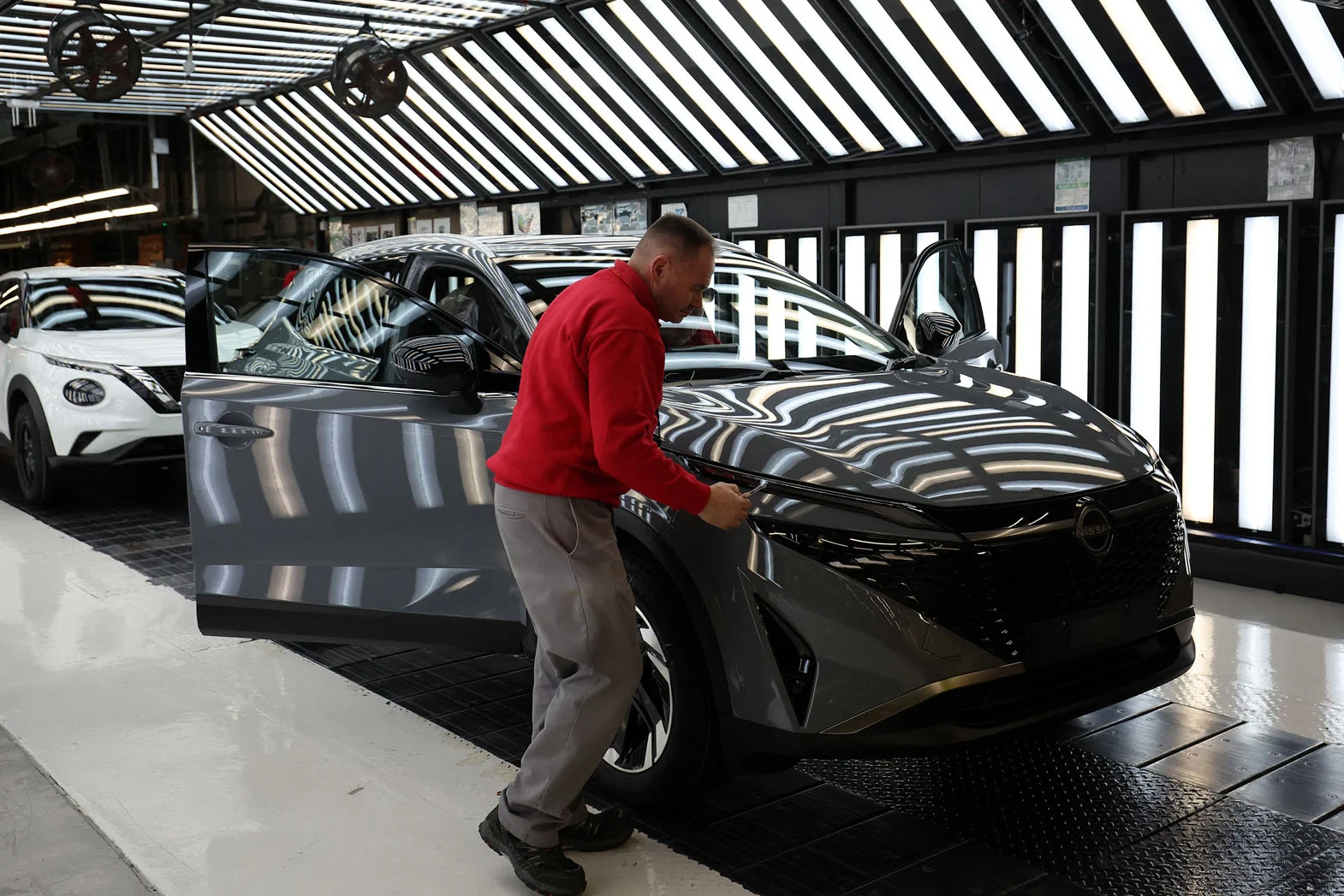
While Nissan still manufactures the Leaf at its Sunderland plant and plans to start assembling a fully electric version of the compact Juke crossover for Europe by 2027, the e‑axle cancellation underscores the broader challenges the brand faces in the region.
Global restructuring under the Re:Nissan plan
The move is part of Nissan’s wider “Re:Nissan” restructuring programme launched in May 2025. The initiative calls for a comprehensive review of the company’s global production network, from internal‑combustion engines to electric drivetrains. Earlier in the year, Nissan announced that seven factories worldwide would be closed, though details on drivetrain‑specific sites remain pending. Further actions are expected by spring 2027.
Job implications
In Japan, Nissan’s e‑axle production is concentrated at its Yokohama and Iwaki plants, employing roughly 3,000 and 800 workers respectively. The deeper overhaul of component‑manufacturing sites could affect thousands of jobs across the supply chain, though Nissan has not yet disclosed specific employment figures for the Sunderland cancellation.
What’s next for Nissan?
By focusing on its core EV models and leveraging existing production capacity, Nissan hopes to stabilize its European foothold while it reshapes its global operations. The cancellation of the Sunderland e‑axle plant signals a pragmatic shift toward leaner, demand‑driven manufacturing in a market that remains volatile but essential for the automaker’s electric future.