
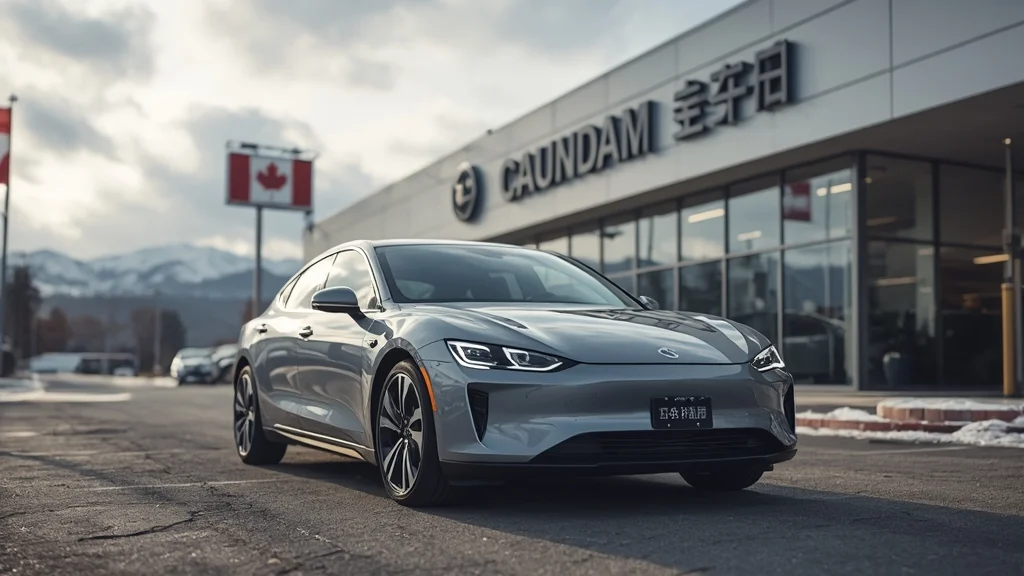
Chinese car manufacturers are targeting Canada as a stepping stone to the US market. Discover their strategies, challenges, and what it means for the industry. Read more.
Chinese automakers are accelerating their entry into Canada, treating the North‑American market as a rehearsal before tackling the far larger United States.
Why Canada Is the Preferred Test Bed
In January, Canadian Prime Minister Justin Trudeau announced a limited import quota for Chinese‑made electric vehicles (EVs). The policy allows up to 49,000 units per year at a preferential 6.1% tariff, with a planned increase to 70,000 units after five years. Although the quota is modest, it offers a low‑tariff gateway that mirrors many U.S. regulatory standards.
Key Players Making Their Move
Chery, the largest Asian‑exporting automaker, was among the first to respond. Within weeks of the policy announcement, Chery began meetings with Canadian dealership groups and has already secured several distribution agreements.
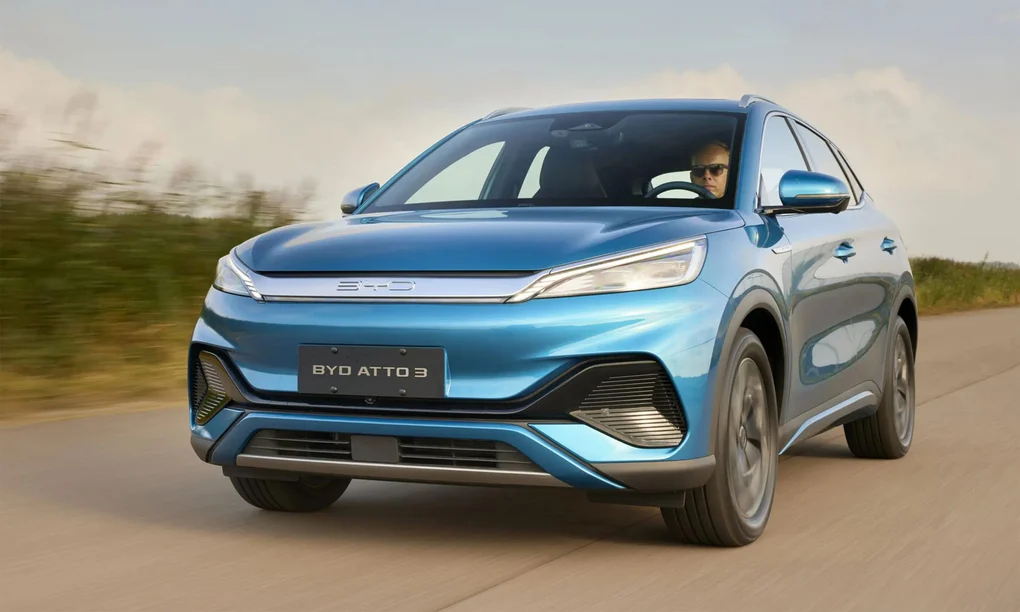
BYD, the electric‑vehicle giant, is preparing to open six showrooms across Canada. A consultancy assisting BYD told Reuters that the company has started the certification process for two of its EV models.
Lotus, the sport‑car brand owned by Geely, plans to launch about six dealerships this year, targeting a few hundred units in total. Changan has also set up a dedicated team to ready its market entry.
Scale Matters: Canada vs. the United States
Canada’s market is small but strategically valuable. Analysts estimate that Canada will sell roughly 1.9 million vehicles in 2025, compared with more than 16 million in the United States. The consumer preferences, safety standards, and financing regulations in Canada closely resemble those in the U.S., making it an ideal “training ground.”
Dan Hearsch, Global Automotive Director at AlixPartners, says the transition from Canada to the U.S. could be as simple as “flipping a switch,” because the regulatory gap is minimal.
U.S. Barriers and the Canadian Workaround
Washington currently imposes steep tariffs and bans on Chinese‑origin hardware and software, effectively blocking direct Chinese imports. Former President Donald Trump hinted that Chinese automakers could gain U.S. access if they built factories on American soil, a prospect many firms are still evaluating.
The Auto Alliance Initiative (AAI) warned that the Canada‑China trade deal could create a “back‑door” for Chinese brands to the U.S., raising concerns about economic and national security.
Economic Realities of the Canadian Market
Canada’s limited quota and a relatively unfavorable exchange rate make it one of the lowest‑margin automotive markets worldwide. Daniel Ross, Market Analyst at Canadian Black Book, notes that “operating solely in Canada without a U.S. strategy would be financially irrational.”
Moreover, Chinese brands will face competition from locally assembled Tesla models. By 2025, Tesla is expected to have imported over 44,000 vehicles from its Shanghai plant, pricing the Model 3 at roughly CAD 40,000 (about USD 29,000), half the price of its U.S.‑made counterpart.
Long‑Term Vision and Strategic Partnerships
Despite the hurdles, Chinese manufacturers are known for their persistence. At the end of April, during the Beijing Auto Show and subsequent events at Chery’s headquarters, around 20 major Canadian dealership groups were invited to tour facilities and discuss trade opportunities.
Many of these Canadian dealers already operate networks in the United States, creating a natural bridge for Chinese brands to expand northward once U.S. barriers ease.
What Lies Ahead
The Canadian venture is not an end in itself but a stepping stone. If Chinese automakers can prove their products, build brand awareness, and navigate the regulatory landscape in Canada, they will be poised to launch on the much larger U.S. stage.
For now, Canada offers a low‑risk, high‑learning environment—a “launchpad” that could reshape the competitive dynamics of the North American automotive industry.